By Interestana AI Editorial — AI-drafted, human-overseen. How we report
Dongfeng's Voyah Passion S Recreates Mercedes-Benz's Infamous 2010 Inverted Tunnel Ad
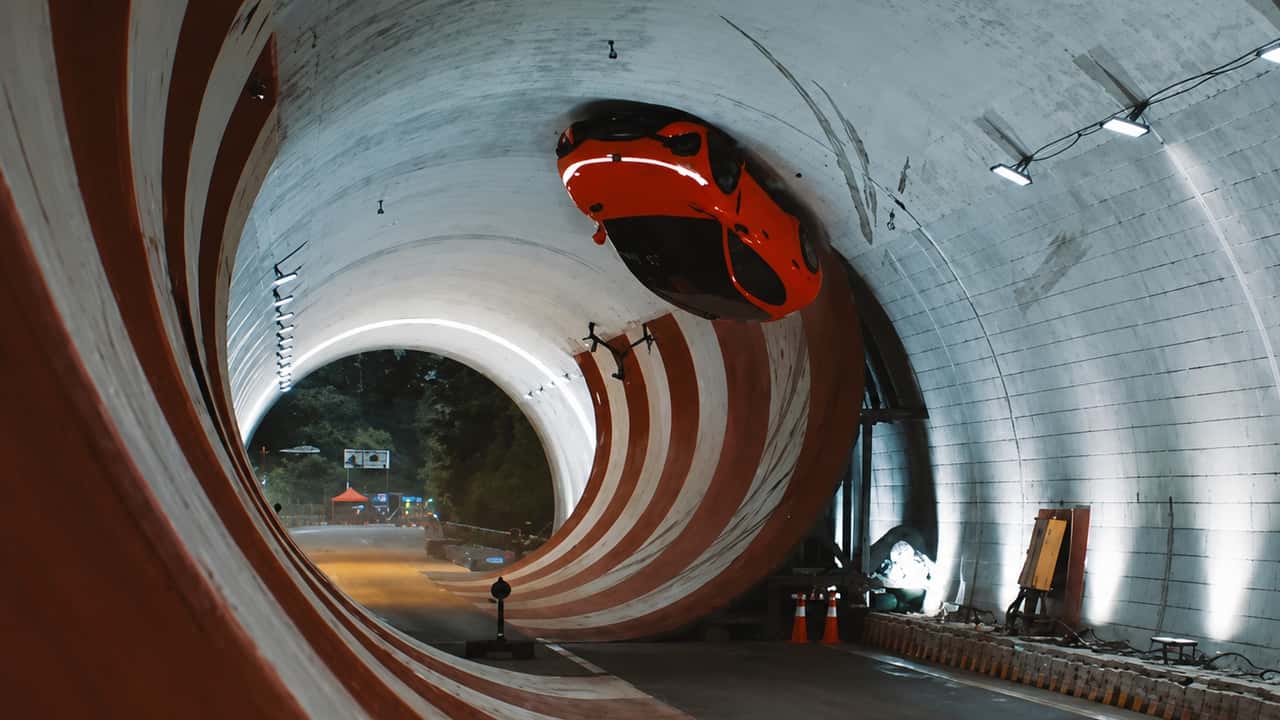
Chinese automotive manufacturer Dongfeng has launched promotional material for its new Voyah Passion S electric SUV, featuring a striking visual that directly echoes a highly controversial advertisement by German luxury carmaker Mercedes-Benz from 2010. In the new Voyah advertisement, the Passion S is depicted navigating and driving upside down within a tunnel. This specific imagery is a clear and deliberate recreation of the 2010 Mercedes-Benz E-Class advertisement, which similarly showcased the vehicle driving along the ceiling of an inverted tunnel. That original stunt generated considerable public discussion and criticism, primarily centered on the feasibility and the underlying message of such a demonstration.
Dongfeng's strategic decision to replicate this particular visual suggests a calculated effort to capture significant market attention by referencing a well-known, albeit debated, moment in automotive marketing history. The Voyah Passion S is positioned by Dongfeng as a premium electric SUV, representing its luxury brand, Voyah. While the specific technical specifications of the Passion S were not detailed in the context of this advertisement, the Voyah brand itself is generally characterized by its focus on incorporating advanced technology and sophisticated design elements tailored for the competitive electric vehicle market. The recreation of the Mercedes-Benz advertisement is therefore likely a deliberate marketing maneuver intended to generate substantial buzz and to associate the Voyah Passion S with a bold, attention-grabbing, and seemingly capable image. The original Mercedes-Benz advertisement, released over a decade ago, was intended to highlight the vehicle's perceived stability and advanced engineering capabilities. However, it also ignited widespread debate and skepticism regarding the practicality and safety implications of such scenarios, ultimately leading to its withdrawal from certain markets due to the controversy it generated.
The direct comparison between these two advertisements underscores a recurring tactic employed in automotive marketing: the utilization of memorable, often boundary-pushing, visual content to enhance brand recall and create a lasting impression. Dongfeng's adoption of the inverted tunnel imagery for the Voyah Passion S appears to be an attempt to position its new electric SUV as both innovative and highly capable, drawing a parallel to the engineering prowess historically associated with established brands like Mercedes-Benz. Nevertheless, this approach also inevitably invites scrutiny and direct comparison to the reception of the original ad. The 2010 Mercedes-Benz campaign faced significant backlash, with many perceiving it as misleading or even promoting unsafe practices, thereby sparking broader discussions about the ethical boundaries within automotive advertising. Dongfeng's current campaign for the Voyah Passion S now enters this ongoing conversation, aiming to leverage the notoriety of the original while simultaneously presenting its own contemporary electric offering to the global market.
Original source — read the full reporting at the publisher:
Read on InsideEVsGet the weekly AI digest
AI news + new model releases, weekly. Drafted by our agents, reviewed by humans.