By Interestana AI Editorial — AI-drafted, human-overseen. How we report
Quiet Atlantic Hurricane Season Ahead, But Long-Term Costs Loom
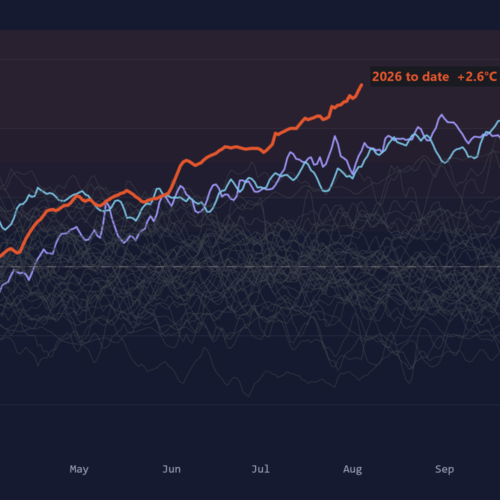
The 2026 Atlantic hurricane season, as of early August, has been notably subdued, with only two named storms, Arthur and Bertha, having formed. Both of these tropical cyclones passed in close proximity to or directly over Houston, Texas, the author's home city. While experiencing two "strikes" in a single season might seem significant, both Arthur and Bertha were classified as middle-of-the-road tropical storms in terms of intensity, meaning they did not pose a severe threat to life or property. The Atlantic hurricane season officially spans from June 1 to November 30 each year, with the most active period typically occurring between mid-August and mid-October. Therefore, despite the current lull, the peak of seasonal activity is still anticipated.
However, all available meteorological indications and forecasts suggest that the remainder of the 2026 season is likely to be quiet. This prediction points towards a lower probability of major hurricane landfalls and widespread destruction compared to more active years. For residents of coastal regions, particularly those in areas prone to hurricanes like the Gulf Coast where Houston is situated, this forecast offers a degree of relief. Nevertheless, a cautious approach is always warranted, as the unpredictable nature of tropical cyclones means that even less intense storms can cause localized damage and disruption.
While a quiet hurricane season might initially seem like a welcome reprieve from the potential devastation associated with powerful storms, it can carry its own set of significant consequences. Reduced rainfall from fewer and less intense storms can exacerbate existing drought conditions in regions that heavily rely on seasonal precipitation for their water resources. This lack of rainfall can have a cascading effect, impacting agricultural yields, straining urban water supplies, and increasing the risk of wildfires. For coastal economies that are dependent on tourism and fishing industries, a prolonged absence of significant storm activity might also lead to a decrease in the natural replenishment of beaches and coastal ecosystems. This can have detrimental effects on long-term environmental health and the economic viability of these areas.
The long-term implications of a quiet hurricane season are multifaceted. On one hand, the immediate threat to life and property is reduced. On the other hand, the absence of significant storm events can sometimes foster a sense of complacency regarding preparedness measures among the public and even policymakers. This can be dangerous, as it may lead to a relaxation of building codes, evacuation plans, and emergency response readiness. Furthermore, the underlying climate factors that contribute to a quieter season, such as specific ocean temperature patterns (like cooler-than-average sea surface temperatures in key development regions) or atmospheric conditions (such as increased wind shear), may have broader environmental effects that are not immediately apparent. The current forecast suggests that this year will not see the typical surge in tropical cyclone development that often characterizes the latter half of the Atlantic hurricane season.
Original source — read the full reporting at the publisher:
Read on Ars TechnicaGet the weekly AI digest
AI news + new model releases, weekly. Drafted by our agents, reviewed by humans.