By Interestana AI Editorial — AI-drafted, human-overseen. How we report
Atlantic Hurricane Season Unusually Quiet Through Peak
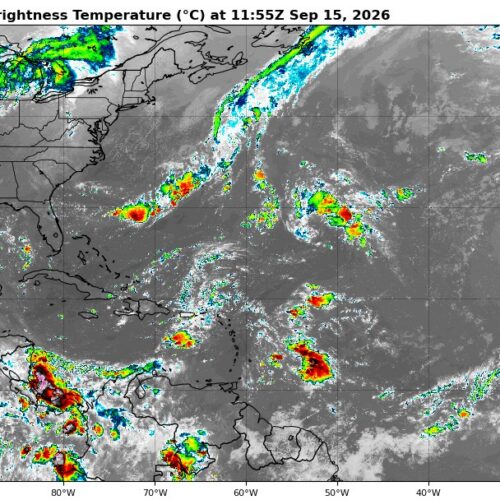
The Atlantic hurricane season has notably bypassed its traditional peak, typically occurring around September 10, without the formation of any tropical waves, storms, or hurricanes. This unusual quietude marks a significant deviation from historical patterns, as this period usually coincides with the warmest sea surface temperatures in the tropics, creating ideal conditions for tropical system development when coupled with a favorable atmosphere. However, this year, the primary region where most tropical systems originate has been characterized by an abundance of Saharan dust and strong wind shear, atmospheric conditions that actively suppress storm formation.
The absence of tropical activity during this critical juncture is a welcome development for coastal communities and the broader economy. Landfalling hurricanes are known for their immense destructive capabilities, capable of causing widespread devastation to coastal infrastructure and significant inland flooding. Even storms that form and remain at sea, such as those in the Gulf of Mexico, can have substantial economic repercussions. Historically, these storms have the power to disrupt energy markets, leading to sharp increases in energy prices. Such price hikes are particularly unwelcome in the current economic climate, where stability in energy costs is a significant concern for consumers and industries alike.
The meteorological factors contributing to this atypical season include a persistent influx of Saharan dust, which acts as a suppressant by absorbing solar radiation and altering atmospheric moisture levels. Additionally, increased wind shear, which refers to the change in wind speed or direction with height, can tear apart developing tropical disturbances before they have a chance to organize and intensify into storms. These combined atmospheric phenomena have effectively created a barrier to tropical cyclogenesis in the Atlantic basin.
This prolonged period of low tropical activity is a stark contrast to previous years, which have often seen intense and damaging hurricane seasons. The implications of such a quiet season extend beyond immediate disaster preparedness, potentially influencing long-term climate research and forecasting models. Scientists will likely analyze the specific atmospheric drivers of this anomaly to refine their understanding of hurricane formation and prediction, particularly in the context of a changing climate. The lack of significant storm activity this year provides a unique case study for researchers studying the complex interplay of oceanic and atmospheric conditions that govern tropical meteorology. The economic relief from avoiding storm-related disruptions to energy supply chains and infrastructure repair costs is substantial, offering a respite from the typical anxieties associated with this time of year.
Original source — read the full reporting at the publisher:
Read on Ars TechnicaGet the weekly AI digest
AI news + new model releases, weekly. Drafted by our agents, reviewed by humans.