By Interestana AI Editorial — AI-drafted, human-overseen. How we report
Yale Free Expression Facilitators Under Scrutiny
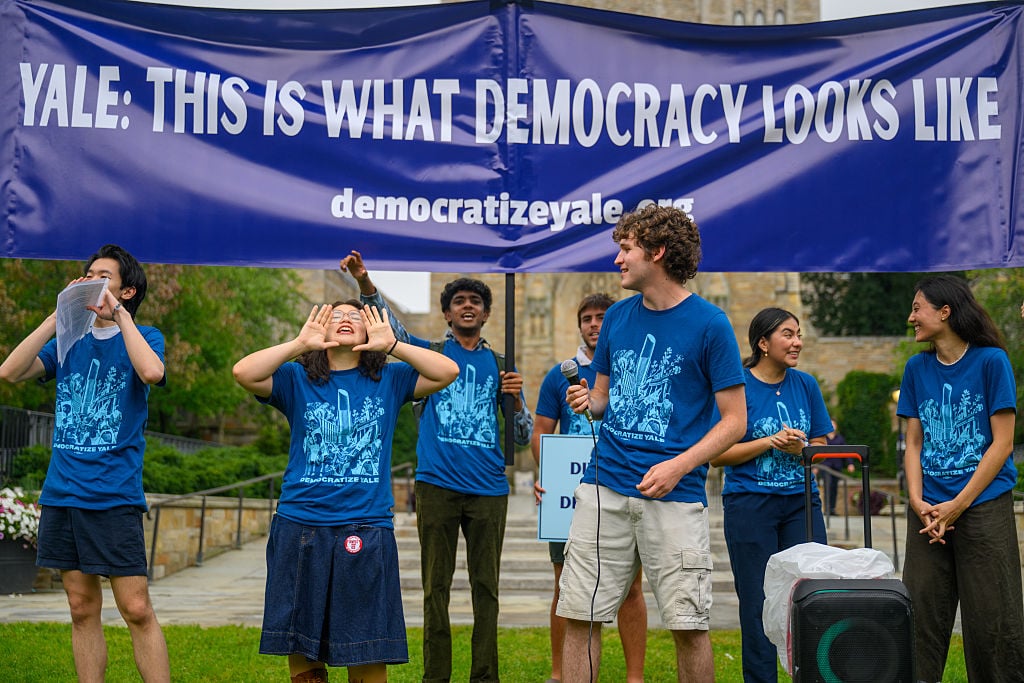
Yale University's initiative aimed at fostering free expression on campus, established in the fall of 2023, is now facing significant criticism regarding its efficacy and potential implications. The program, which appointed "free expression facilitators" to navigate campus discourse, has been described by some as "doubleplusgood," a term borrowed from George Orwell's "Nineteen Eighty-Four" to denote a state of enforced, superficial positivity that masks underlying issues. This critical perspective suggests that the facilitators, rather than genuinely promoting open dialogue, may be contributing to a climate where genuine dissent or uncomfortable truths are suppressed under the guise of maintaining a harmonious environment.
The initiative was launched in response to a series of campus controversies and debates surrounding free speech, a perennial issue at many universities. The facilitators were intended to act as neutral parties, guiding students and faculty through complex discussions and ensuring that diverse viewpoints could be expressed without fear of reprisal. However, critics argue that the program's structure and implementation have fallen short of these goals. The concern is that the facilitators, tasked with upholding a specific interpretation of free expression, might inadvertently stifle legitimate criticism or fail to address power imbalances that can silence marginalized voices. This approach, according to critics, risks creating an environment where only approved narratives are comfortable to express, undermining the very principles the program sought to protect.
Further concerns have been raised about the potential for the "free expression facilitators" to be co-opted or to become instruments of censorship, albeit unintentionally. The argument is that by focusing on the outward appearance of free expression, the program might neglect the deeper, systemic issues that hinder genuine intellectual exchange. This could lead to a situation where the university appears to be championing free speech while, in practice, creating an environment that is less conducive to it. The effectiveness of such programs is often debated, with some scholars arguing that true free expression thrives in an environment of robust debate and intellectual challenge, rather than one managed by designated facilitators. The Yale initiative, therefore, stands as a case study in the complex and often contentious efforts by academic institutions to balance competing values of free speech, inclusivity, and campus safety in an era of heightened social and political awareness.
Original source — read the full reporting at the publisher:
Read on Inside Higher EdGet the weekly AI digest
AI news + new model releases, weekly. Drafted by our agents, reviewed by humans.