By Interestana AI Editorial — AI-drafted, human-overseen. How we report
Bond Strategists Disagree on Buying Opportunities
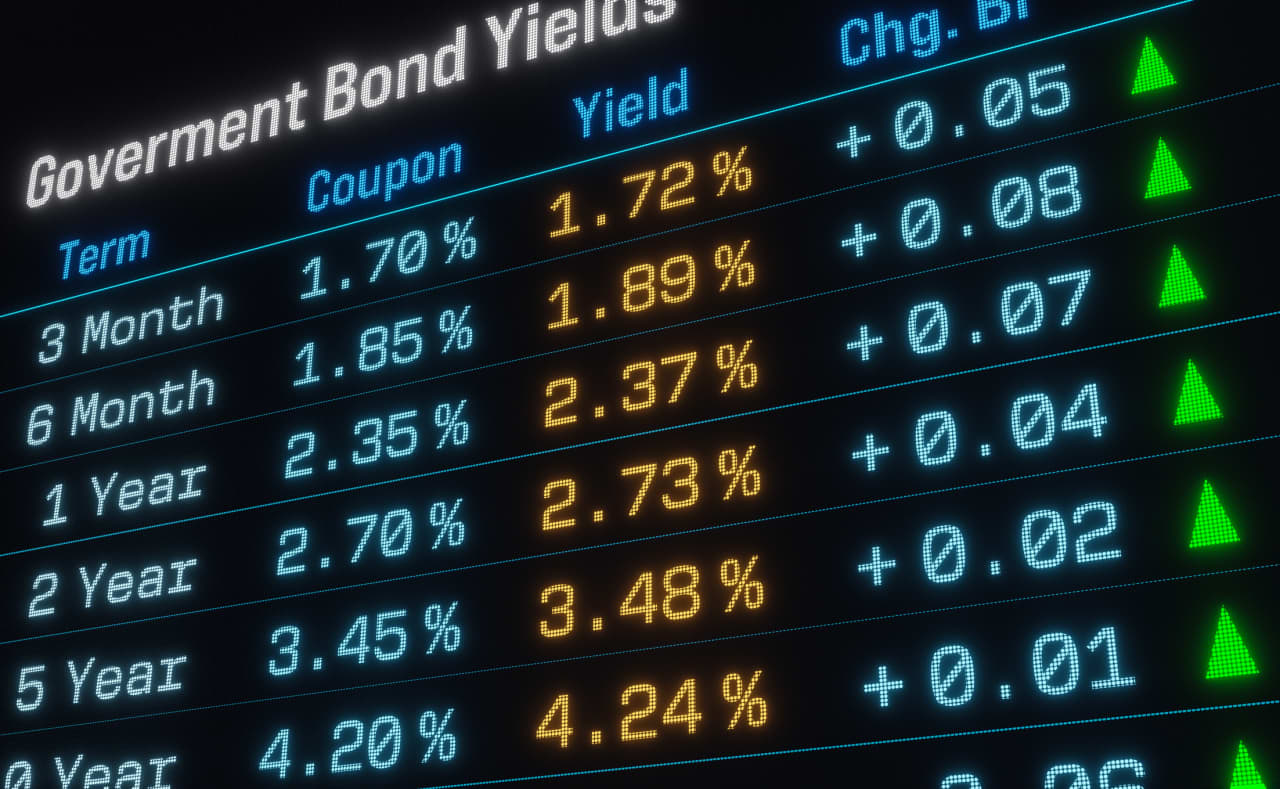
Bond yields have reached multi-year highs, prompting a debate among financial strategists regarding their current attractiveness for investors. The prevailing market sentiment suggests that while yields are elevated, they may not yet represent a definitively cheap buying opportunity. This assessment is informed by the market's forward-looking expectations for interest rates and the inherent risks in forecasting economic conditions over extended periods.
One perspective, offered by strategists at Barclays, indicates that bonds are currently trading at fair value. This means that the current price of bonds adequately reflects their underlying worth, considering expected future interest rates and risk premiums. However, Barclays' analysis stops short of classifying bonds as cheap, implying that there might not be significant upside potential for price appreciation in the immediate term. The market's estimation of the average federal funds rate over the next decade is a primary driver of bond yields, alongside a risk premium that compensates investors for the uncertainty associated with these long-term predictions.
Conversely, another strategist, whose views are not explicitly detailed in terms of a specific firm affiliation but are presented as a counterpoint, suggests a more optimistic outlook on buying bonds at current levels. This divergence in opinion highlights the complexity of bond market analysis, where different interpretations of economic data and future rate paths can lead to contrasting investment recommendations. The debate is crucial for investors seeking to navigate the fixed-income landscape, as the decision to buy or hold bonds at these yield levels can have significant implications for portfolio returns and risk management.
The Federal Reserve's monetary policy, particularly its stance on interest rate hikes and potential cuts, plays a pivotal role in shaping bond yields. Investors closely monitor economic indicators such as inflation, employment figures, and GDP growth to gauge the Fed's likely actions. The current elevated yield environment is partly a consequence of the aggressive rate-hiking cycle undertaken by central banks globally to combat persistent inflation. As inflation shows signs of moderating, the market is increasingly focused on the timing and extent of future rate cuts, which would typically lead to lower bond yields and higher bond prices.
Understanding the components of bond yields is essential. The yield on a bond is influenced by the expected path of short-term interest rates, as reflected in the market's projection of the federal funds rate over the bond's maturity. Additionally, a term premium is incorporated to account for the risk that longer-term interest rates might rise unexpectedly, leading to capital losses for bondholders. The disagreement between strategists underscores the inherent uncertainty in forecasting these future economic variables and their impact on bond valuations. Investors must weigh these differing expert opinions against their own risk tolerance and investment objectives when considering bond purchases.
Original source — read the full reporting at the publisher:
Read on MarketWatchGet the weekly AI digest
AI news + new model releases, weekly. Drafted by our agents, reviewed by humans.