By Interestana AI Editorial — AI-drafted, human-overseen. How we report
White Storks Return to Derbyshire After 600-Year Absence
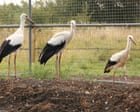
Three juvenile white storks have been released at Willington Wetlands in Derbyshire, marking a significant conservation milestone and the potential reintroduction of the species to the Midlands after an absence of over 600 years. The arrival of these birds, described as a "thrilling" development by conservationists, signifies a hopeful new chapter for the species in the region. The first stork emerged from its transport crate with a long orange beak and sleek body, followed by its two siblings, who explored their new enclosure at the wetlands. Conservation efforts are now focused on ensuring the storks adapt to their new environment and potentially establish a breeding population.
The white stork (Ciconia ciconia) was once a common sight across the UK, but habitat loss and hunting led to its extinction as a breeding species in Britain by the late 15th century. The reintroduction efforts aim to reverse this historical decline and restore the bird's presence in the British landscape. Willington Wetlands, a site managed by the Derbyshire Wildlife Trust, has been prepared to provide suitable habitat for the storks, including open grasslands and water bodies essential for foraging. The success of this initiative will depend on the birds' ability to thrive, find mates, and successfully breed in the wild.
This reintroduction is part of a broader trend of species recovery programs across Europe, where conservationists are working to bring back birds and other wildlife that have been lost due to human activities. The return of the white stork to Derbyshire is not only a victory for biodiversity but also an opportunity for the public to reconnect with a species that has become part of British folklore. The hope is that these initial three juveniles will be joined by more storks in the coming years, eventually leading to a self-sustaining population. The project is being closely monitored by ornithologists and conservation experts who will assess the birds' behaviour, health, and reproductive success. The long-term goal is to see white storks become a regular feature of the Derbyshire skies once more, echoing their presence from centuries past.
Original source — read the full reporting at the publisher:
Read on The Guardian EnvironmentGet the weekly AI digest
AI news + new model releases, weekly. Drafted by our agents, reviewed by humans.