By Interestana AI Editorial — AI-drafted, human-overseen. How we report
Homeowners Regret Costly Remodels After Spending Tens of Thousands
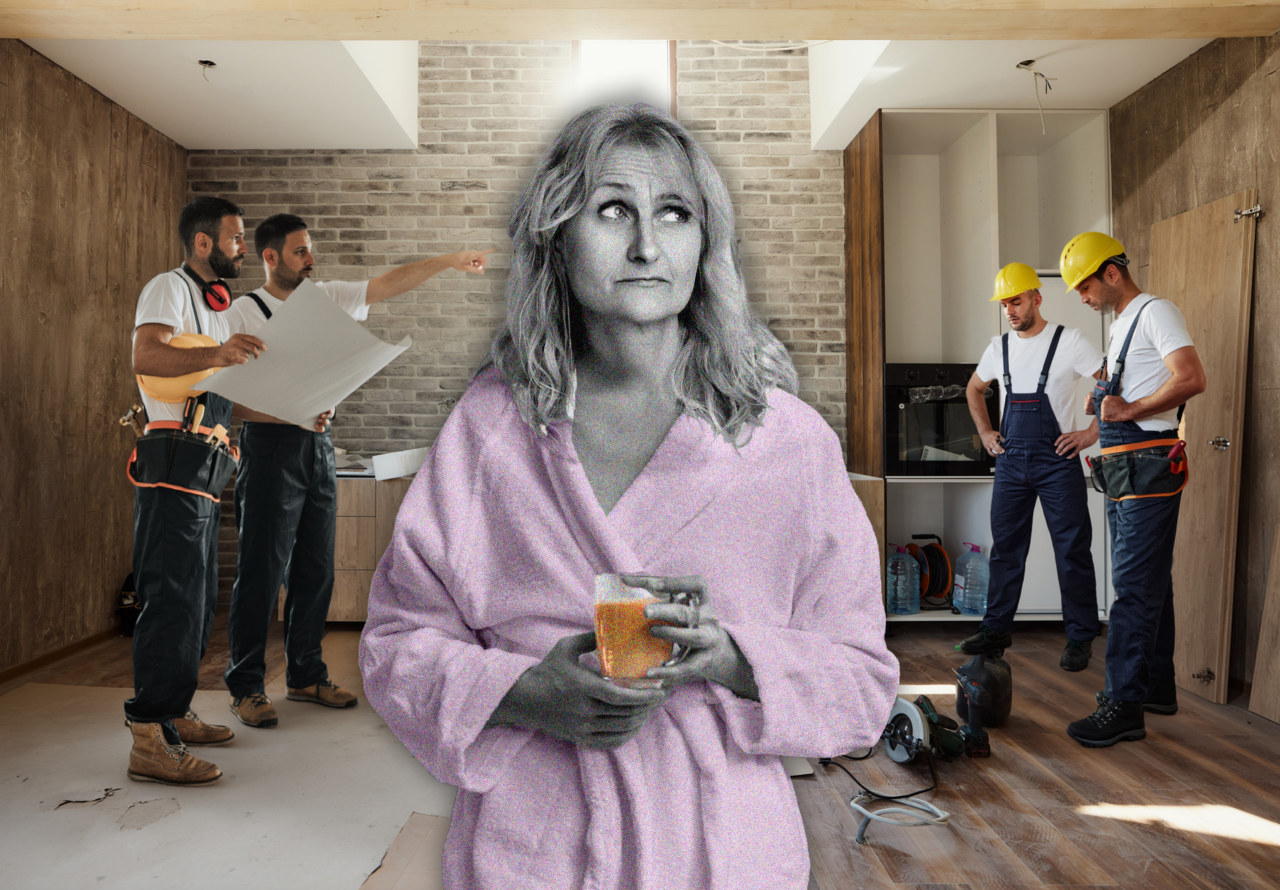
A significant number of homeowners are experiencing profound regret after investing tens of thousands of dollars in home remodels, a trend that underscores the potential for major renovation projects to become sources of stress and financial strain. These homeowners, who initially sought to enhance their living spaces, are now grappling with the aftermath of extensive and costly upgrades, often finding that the reality of the completed projects falls short of their expectations or introduces unforeseen complications. The sentiment of regret stems from a combination of factors, including budget overruns, prolonged disruption to daily life, and the discovery of new problems that arise as a direct consequence of the renovations.
One common thread among these dissatisfied homeowners is the sheer magnitude of the financial commitment. Many have spent upwards of $50,000, with some exceeding $100,000, on projects ranging from kitchen overhauls and bathroom renovations to full-scale additions and structural changes. The initial excitement and anticipation associated with transforming their homes have often given way to a sense of being overwhelmed by the ongoing expenses and the sheer effort required to manage the process. This financial burden is frequently exacerbated by unexpected issues that emerge during or after construction, such as the need for additional electrical work, plumbing repairs, or structural reinforcements that were not accounted for in the original plans or budget. The cumulative effect of these unforeseen costs can significantly inflate the total expenditure, pushing projects far beyond their initial financial scope.
Beyond the financial implications, the disruption to daily life is another major contributor to homeowner dissatisfaction. Extended periods without access to essential parts of the home, such as kitchens or bathrooms, can lead to significant inconvenience and a decline in overall quality of life. The constant presence of contractors, noise, dust, and the general chaos associated with a major construction site can create a stressful living environment. For families, this disruption can be particularly challenging, impacting routines and creating a sense of unease. The prolonged nature of these projects, often stretching for months, means that homeowners must endure this upheaval for an extended duration, testing their patience and resilience. The dream of a beautifully renovated home can thus become a prolonged nightmare of inconvenience and stress.
Furthermore, the regret is often amplified when the final results do not meet the homeowner's vision or when new problems surface. Sometimes, the aesthetic outcomes are not as pleasing as anticipated, or the functionality of the renovated spaces proves to be less than ideal. In other instances, the renovations themselves may inadvertently create new issues, such as water damage, mold, or structural weaknesses that require further costly repairs. This cycle of spending more money to fix problems caused by previous spending can be particularly demoralizing. The initial investment, intended to increase a home's value and the owners' enjoyment, can instead lead to a net decrease in satisfaction and a feeling of being trapped in a cycle of never-ending home improvement expenses. The experience highlights the importance of thorough planning, realistic budgeting, and careful contractor selection to mitigate the risks associated with large-scale home renovations.
Original source — read the full reporting at the publisher:
Read on MarketWatchGet the weekly AI digest
AI news + new model releases, weekly. Drafted by our agents, reviewed by humans.