By Interestana AI Editorial — AI-drafted, human-overseen. How we report
First White Storks Released in Cornwall After 600 Years
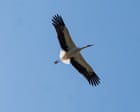
Twenty-one white storks were released onto Bodmin Moor in Cornwall on August 14, 2026, representing the first time the species has been reintroduced to the region in over 600 years. The birds, which had been housed in a protected aviary, were coaxed into stepping out into their new environment. After an initial period of adjustment, some of the storks began to soar into the sky, a significant moment for conservation efforts.
Yan Swiderski, the founder of the Cornwall Stork Project, expressed his emotional response to the release, describing the birds as looking "majestic" despite their initial "clumsy" movements as they adapted to flying freely. The Cornwall Stork Project aims to re-establish a breeding population of white storks in the area, with the hope that these released birds will eventually return to produce their own young. The project is part of a broader initiative to bring back this iconic species to the UK, which has seen previous reintroduction efforts in other parts of the country.
The white stork (Ciconia ciconia) is a large, distinctive bird with white plumage and black wing feathers, known for its long legs and neck. Historically, white storks were once common across Britain but disappeared due to habitat loss and hunting. Their reintroduction is a complex process involving careful monitoring, habitat management, and public engagement. The success of this release on Bodmin Moor will be assessed by tracking the birds' movements, survival rates, and their ability to adapt to the local ecosystem. Conservationists are optimistic that the Cornish landscape provides suitable foraging grounds and nesting sites for the storks to thrive.
This reintroduction effort signifies a renewed commitment to biodiversity and ecological restoration in Cornwall. The presence of white storks is expected to not only enhance the natural heritage of the area but also potentially benefit the local ecosystem through their role as predators. The Cornwall Stork Project is working in collaboration with various wildlife organizations and landowners to ensure the long-term success of the initiative. The release event was met with pride and anticipation, highlighting the public's support for bringing back native species and restoring natural landscapes.
Original source — read the full reporting at the publisher:
Read on The Guardian EnvironmentGet the weekly AI digest
AI news + new model releases, weekly. Drafted by our agents, reviewed by humans.