By Interestana AI Editorial — AI-drafted, human-overseen. How we report
Woodlouse's Superpowers: Detritivore Cleans Environment, Withstands Pollution
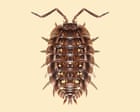
The common woodlouse, a detritivore recognized by a multitude of colorful names such as chucky pig, slater, and roly-poly, plays a significant role in tidying up the environment. Over centuries of cohabitation with humans, this small crustacean has accumulated more than 300 regional names in Britain alone, and numerous others in different languages, including Gwrach y Coed, meaning “witch of the wood,” in Welsh. This extensive nomenclature reflects its widespread presence and the affection it has garnered. The woodlouse's ecological function as a detritivore means it consumes decaying organic matter, effectively breaking down waste and returning nutrients to the soil. This process is crucial for maintaining healthy ecosystems and supporting plant life. Their activity helps to prevent the buildup of dead material, contributing to a cleaner and more sustainable environment. Beyond their role as nature's recyclers, woodlice exhibit an unexpected superpower: a remarkable tolerance to toxic pollution. Studies have indicated that these creatures can withstand high levels of heavy metals and other pollutants that would be lethal to many other invertebrates. This resilience allows them to thrive in environments that are contaminated, acting as an indicator species for pollution levels. Their ability to sequester heavy metals within their bodies, particularly in specialized organs, is a subject of ongoing scientific interest. This unique characteristic makes them valuable for biomonitoring and potentially for bioremediation efforts in polluted soils. The common woodlouse, scientifically classified within the order Isopoda, belongs to a diverse group of crustaceans that are found in terrestrial habitats worldwide. While many crustaceans are aquatic, woodlice have adapted to life on land, breathing through gill-like structures that require moisture. They are typically found in damp, dark environments such as under logs, stones, and leaf litter, where they can maintain the humidity necessary for survival. Their life cycle involves several molts, during which they shed their exoskeleton to grow. The female woodlouse carries her eggs in a marsupium, a pouch on her underside, where the young develop before emerging. Despite their commonality and unassuming appearance, woodlice are complex organisms with significant ecological importance. Their contribution to decomposition and nutrient cycling, coupled with their extraordinary resistance to pollution, highlights their vital, though often overlooked, role in the natural world. The ongoing recognition of their unique abilities underscores the importance of appreciating and studying even the most common of creatures.
Original source — read the full reporting at the publisher:
Read on The Guardian EnvironmentGet the weekly AI digest
AI news + new model releases, weekly. Drafted by our agents, reviewed by humans.