By Interestana AI Editorial — AI-drafted, human-overseen. How we report
3D Printing Reduces Pediatric Wheelchair Costs Significantly
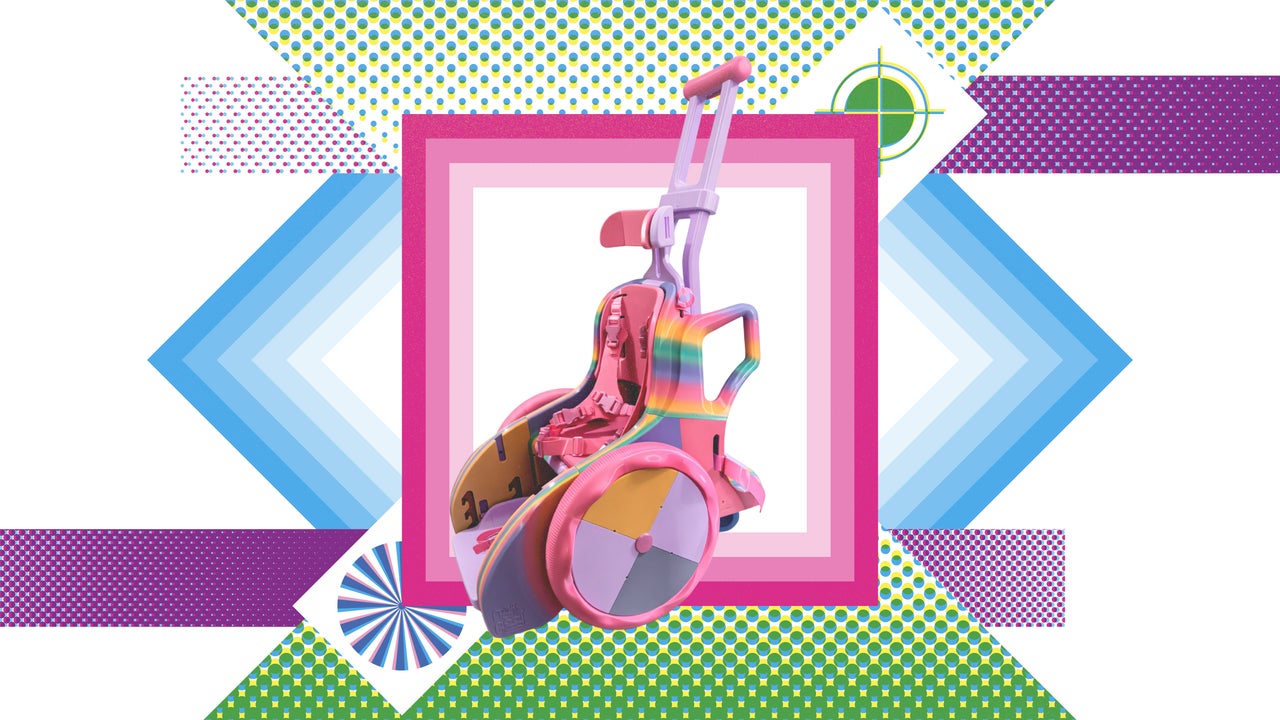
New Orleans-based nonprofit MakeGood is revolutionizing pediatric mobility device accessibility by leveraging 3D printing technology to produce devices at a fraction of traditional costs. For decades, the availability of mobility aids for children with conditions affecting independent movement has been hampered by prohibitive expenses, complex insurance processes, and the necessity for specialized manufacturing facilities. MakeGood's innovative approach bypasses these barriers by creating colorful, plastic wheelchair-like mobility trainers specifically designed for children aged 1 to 8. These trainers are intended for youngsters with conditions such as cerebral palsy or spina bifida, as well as those who have undergone extended stays in neonatal intensive care units. The organization's efforts were recognized with the 2026 Innovation by Design award in accessible design, highlighting the significant impact of their work.
The manufacturing process for MakeGood's mobility trainers is remarkably cost-effective, with each unit costing only a few hundred dollars to produce using readily available consumer-grade 3D printers. This local production capability contrasts sharply with the thousands of dollars typically associated with conventional pediatric wheelchairs. The design of the trainer is substantial enough to accommodate a young child and is ingeniously assembled from numerous small components. To ensure durability and structural integrity, the assembly employs joinery techniques inspired by traditional Japanese woodworking and sophisticated geometric interlocking structures. This method allows for the creation of a robust frame from prints that can be produced on desktop-sized 3D printers, making distributed manufacturing feasible.
MakeGood operates an online platform, 3D-mobility.org, which serves as a crucial nexus connecting families in need with a global network of over 1,000 volunteer makers. This platform facilitates the matching process, enabling families to request custom-designed mobility devices and connect with individuals who possess the 3D printing capabilities to produce them. The initiative aims to democratize access to essential mobility equipment, ensuring that more children can benefit from devices that enhance their independence and quality of life. By empowering a community of makers and utilizing accessible technology, MakeGood is addressing a critical gap in the provision of pediatric assistive devices, making them more attainable for a wider population. The organization's commitment to accessible design and community-driven manufacturing underscores a forward-thinking model for addressing unmet needs in healthcare technology.
Original source — read the full reporting at the publisher:
Read on Fast CompanyGet the weekly AI digest
AI news + new model releases, weekly. Drafted by our agents, reviewed by humans.