By Interestana AI Editorial — AI-drafted, human-overseen. How we report
Levi's Recreates 1942 501 Jeans, Highlighting WWII Rationing Impact
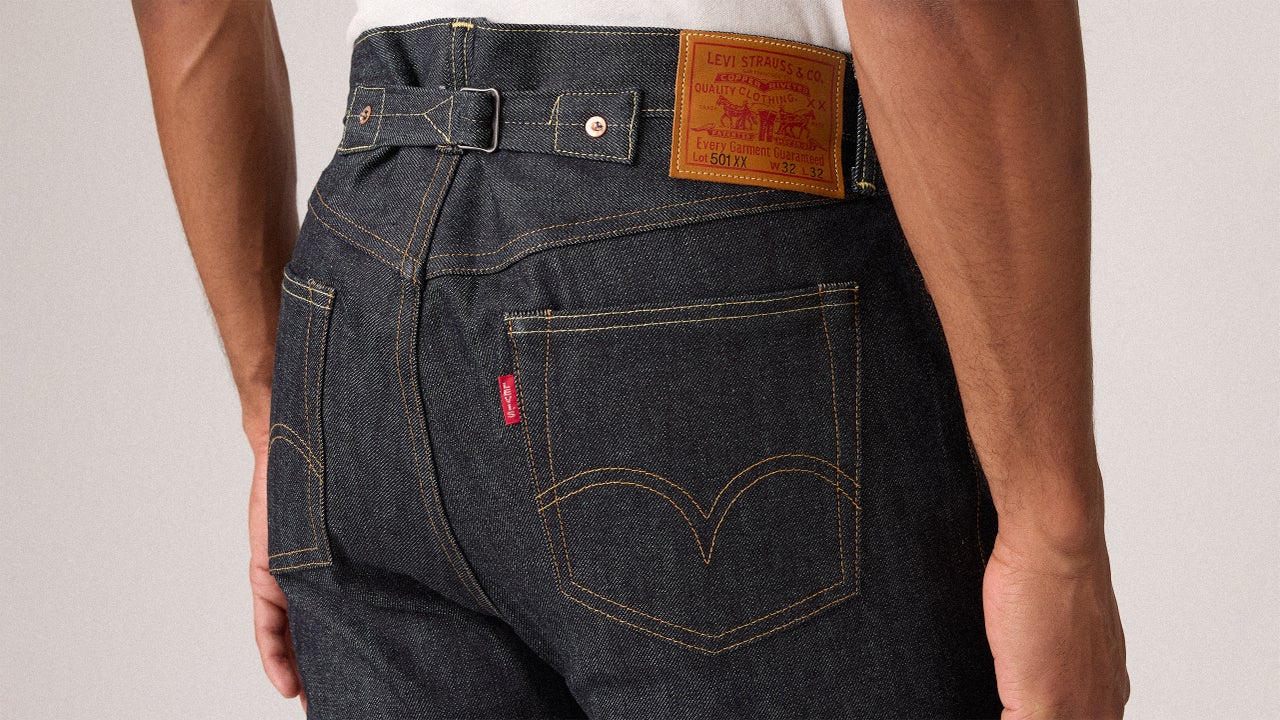
Levi’s Vintage Clothing (LVC) has meticulously recreated the iconic 1942 501 jeans, a limited-edition release that offers a tangible connection to a pivotal moment in apparel history. This specific model of jeans reflects the significant design alterations mandated by wartime rationing in the United States following its entry into World War II. The recreation is an exact replica, paying close attention to every detail, from the weight of the denim fabric to the specific stitching patterns and the type of rivets used. Just 800 pairs of these historically significant jeans were produced, each priced at $295. Upon their debut on August 13, the entire limited run sold out online, underscoring the demand for historically accurate and collectible apparel.
To achieve this level of authenticity for the 1942 501s, the LVC team undertook extensive research. Their process involved consulting the extensive archives maintained by Levi’s, which house thousands of original garments and historical documents dating back to the company's inception. A key part of their research involved sourcing a genuine pair of 1942 501 jeans from Tokyo, which served as a direct reference for the reproduction. The team analyzed every minute detail of this original garment to ensure the recreation accurately captured the essence of the jeans as they were designed and manufactured during that specific wartime period. This dedication to detail aims to present a precise snapshot of apparel design and manufacturing constraints during a critical historical juncture.
The Levi’s Vintage Clothing division itself has a history rooted in preserving and reissuing the brand's heritage. The concept for LVC originated in 1996, with the initial goal of reproducing and reissuing select pieces from Levi’s archives. By 1999, LVC had evolved into a full-fledged collection, and it now operates as a dedicated team focused on transforming the brand's rich history into wearable items. Paul O’Neill, the design director for LVC, explained that the process for each LVC piece, whether it's the 1922 “Japan” 501s or the 1970s 517 Bootcut Jeans, begins with an in-depth examination of the original garment housed in Levi’s San Francisco headquarters. This archive is a treasure trove of historical apparel, including items from as early as 1873, the year Levi Strauss & Co. patented the original riveted blue jean. O’Neill emphasized the rigorous approach, stating, “We study the original garment in detail and work to recreate every element, stitch for stitch.” This meticulous analysis extends to the fundamental components of the jeans, such as the slub pattern and yarn count of the denim, the depth of its shade, the quality and tanning process of the leather patch, and the specific type of copper rivets employed.
For the 1942 501 recreation, the LVC team examined multiple garments from that year, drawing from both the company's internal archives and the externally sourced Tokyo pair. The wartime context of 1942 meant that Levi’s had to make significant concessions in its manufacturing processes. To conserve materials and comply with government regulations, certain features were omitted or simplified. For instance, the iconic red tab on the pocket was temporarily removed, and the watch pocket's arc stitching was replaced with a simpler bar tack. The back pocket rivets were also eliminated, and the suspender buttons, which were standard on earlier models, were also removed. These modifications, driven by the necessity of wartime rationing, represent a unique chapter in the evolution of the 501 jean, making the 1942 model a particularly significant artifact for denim enthusiasts and fashion historians alike. The LVC's commitment to reproducing these details allows consumers to experience a piece of this specific historical period.
Original source — read the full reporting at the publisher:
Read on Fast CompanyGet the weekly AI digest
AI news + new model releases, weekly. Drafted by our agents, reviewed by humans.