By Interestana AI Editorial — AI-drafted, human-overseen. How we report
California Democrats Propose Bills to Regulate AI and Influencer Political Ads
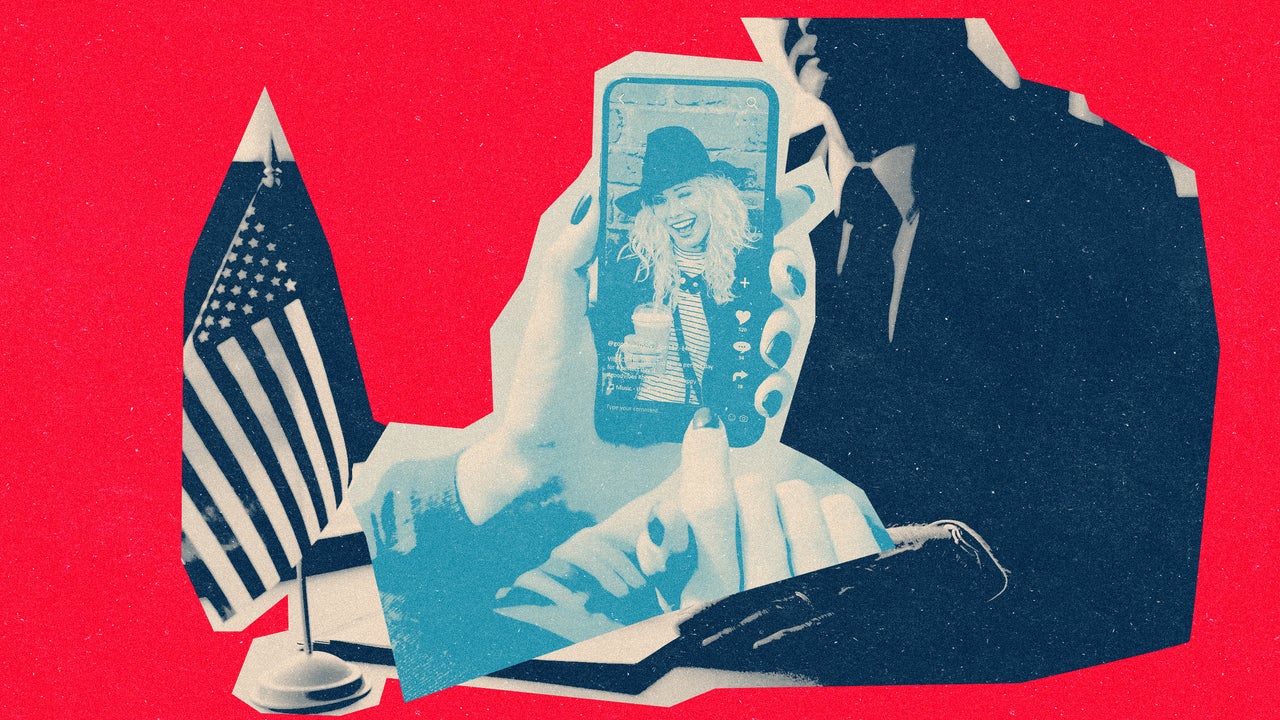
A pair of bills introduced by a trio of California Democrats seeks to update and modernize U.S. political advertising disclosure laws, which have historically been straightforward but are now challenged by the rise of artificial intelligence (AI) and paid social media influencers. The legislation aims to provide voters with greater clarity regarding the origin and funding of political messaging, moving beyond the traditional requirements for television and radio commercials that have been in place since 2002. These older regulations mandated information about who paid for the advertisement and often included the phrase "I approve this message." However, the current digital age presents a different landscape, with political ads often appearing as organic-looking content designed to capture attention mid-scroll on social media platforms. This content may not always be authentic, and crucially, it often fails to disclose its financial backing, leaving voters uninformed about potential biases.
California has already experienced the impact of these unconventional advertising methods during its recent primary elections. In the race for Los Angeles mayor, former reality television personality Spencer Pratt gained significant traction through dramatic AI-generated videos he reposted on social media, bypassing traditional television advertising. One notable AI-generated video featured Pratt in a Batman-themed narrative, where he portrayed himself as a heroic figure. Simultaneously, in the state's gubernatorial race, billionaire and former candidate Tom Steyer is currently facing a complaint lodged with the Fair Political Practices Commission. This complaint alleges that influencers whom Steyer paid to post about his campaign did not adequately disclose that their content constituted paid political advertisements.
Senator Adam Schiff, a key proponent of these new measures, introduced the AI Ads Act on Monday. This bill is specifically designed to ban the use of fraudulent AI in political advertisements, targeting deceptive AI-generated content intended to mislead voters. In parallel, Schiff also introduced the Promoting Authenticity with Influencer Disclaimer (PAID) Act. This legislation mandates that influencers must prominently and clearly disclose the identity of the entity that paid them to create and publish their posts. The introduction of these bills, as initially reported by Semafor, signifies a crucial potential shift in the regulation of political communications. They address the rapidly evolving media landscape and the increasing sophistication of persuasive technologies, aiming to ensure greater transparency and accountability in political messaging as AI capabilities and influencer marketing continue to expand their reach and influence in electoral campaigns.
Original source — read the full reporting at the publisher:
Read on Fast CompanyGet the weekly AI digest
AI news + new model releases, weekly. Drafted by our agents, reviewed by humans.