By Interestana AI Editorial — AI-drafted, human-overseen. How we report
US Congress Recesses Ahead of November Elections
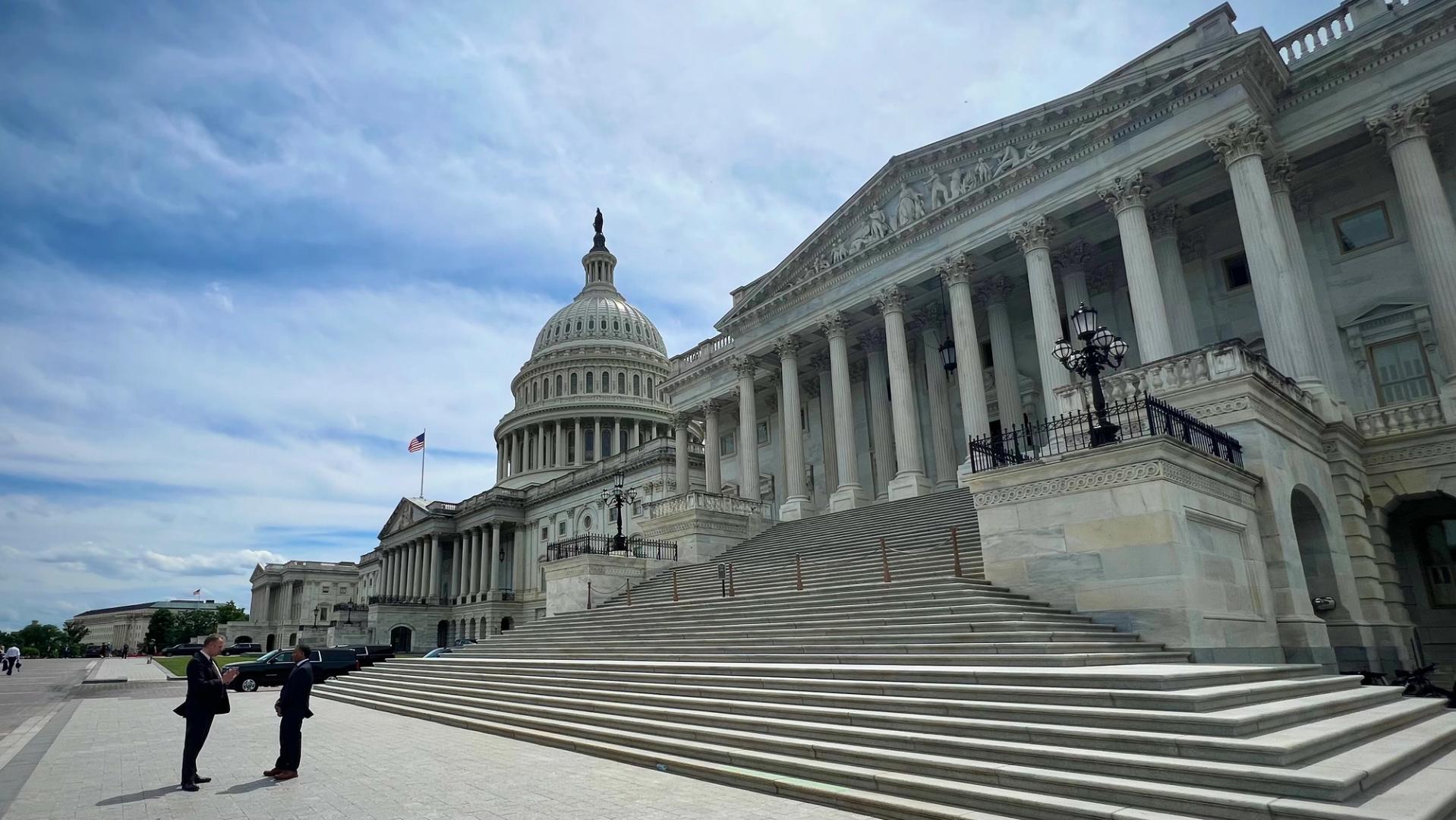
The United States Congress has adjourned for its final pre-election recess, marking a significant pause in legislative activity ahead of the November elections. This recess means that any pending legislation, including critical bills related to the cryptocurrency industry, will not be addressed until after voters have cast their ballots. The current legislative session has seen a range of proposals aimed at defining the regulatory landscape for digital assets, but none have reached final passage before this adjournment. Lawmakers are returning to their districts to campaign, leaving Washington D.C. without the immediate prospect of new laws or significant policy shifts concerning the financial technology sector.
The cryptocurrency industry has been particularly focused on potential regulatory frameworks, with various stakeholders advocating for clear rules of engagement. Discussions have revolved around issues such as market oversight, investor protection, and the classification of digital assets. However, the fragmented nature of these proposals and the differing views among policymakers have prevented consensus from being reached. The recess effectively postpones any further debate or votes on these contentious issues, creating a period of regulatory uncertainty that will persist through the election cycle. Industry participants will likely continue to operate under existing, often ambiguous, guidelines until the next congressional session convenes.
This period of inactivity in Congress is not unique to cryptocurrency; many other legislative priorities are also on hold. However, for sectors like digital assets, where rapid innovation and evolving market dynamics necessitate timely policy responses, the extended pause can have a notable impact. The outcome of the upcoming elections could also significantly alter the composition of Congress and, consequently, the appetite for specific legislative agendas. This means that even when lawmakers return, the direction of policy, particularly concerning financial innovation and regulation, may be subject to substantial change based on the electoral results. The recess underscores the challenges of advancing complex legislation in a politically charged environment, especially when facing a significant electoral event.
As Congress departs, the focus shifts to the electoral campaigns that will shape the legislative priorities and personnel of the next session. The recess provides an opportunity for members to engage with their constituents and for the public to consider the performance and future direction of their elected representatives. For industries awaiting regulatory clarity, such as the cryptocurrency sector, this period is characterized by anticipation and a degree of strategic waiting, as the political landscape is set to be redrawn. The absence of legislative action in Washington means that the immediate future of cryptocurrency regulation remains in a state of flux, contingent on the decisions made by voters in November and the subsequent legislative agenda of the newly constituted Congress.
Original source — read the full reporting at the publisher:
Read on CoinDeskGet the weekly AI digest
AI news + new model releases, weekly. Drafted by our agents, reviewed by humans.