By Interestana AI Editorial — AI-drafted, human-overseen. How we report
Turkmenistan's 'Breakthrough' Methane Leak Repair Offers Climate 'Emergency Brake,' Guardian Podcast Reveals
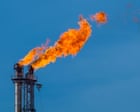
Turkmenistan has initiated a significant effort to plug "mindboggling" methane mega-leaks, a development hailed as a "breakthrough" in the urgent fight against climate change. Methane, a greenhouse gas with a warming potential over 80 times greater than carbon dioxide within a 20-year period, is currently responsible for a substantial 25% of global heating. This potent, short-lived climate pollutant's impact means that reducing its emissions can yield rapid benefits in slowing the rate of global warming, leading some experts to dub the plugging of these leaks the climate's "emergency brake."
In 2023, environment editor Damian Carrington, writing for The Guardian, reported on the existence of approximately 1,000 "super-emitting" methane leaks across the globe. His investigation identified Turkmenistan as the country with the highest concentration of these "mega-leaks," which are significant point sources of potent emissions. The podcast episode, hosted by Madeleine Finlay, features Carrington detailing the critical importance of addressing these leaks and highlighting the stark contrast between Turkmenistan's proactive stance and the continued inaction of other nations.
The urgency surrounding methane reduction stems from its atmospheric lifetime. While carbon dioxide persists for centuries, methane dissipates much faster, meaning its immediate warming effect is far more pronounced. Therefore, swift action to curb methane emissions, such as repairing leaks from oil and gas infrastructure, can lead to a noticeable deceleration of warming trends within a decade or two, offering a faster pathway to climate stabilization than solely focusing on carbon dioxide.
The Guardian's reporting, including this podcast episode titled "There’s a quick way to slow climate change. Why isn’t everyone doing it?", aims to illuminate the effectiveness of this strategy and to foster greater international accountability. The initiative by Turkmenistan, a Central Asian nation heavily reliant on natural gas exports, represents a crucial step, particularly given its previous status as a major source of these super-emitters. However, the podcast also underscores that many other countries are still failing to implement similar measures, despite the readily available technology and the clear scientific imperative. The ongoing work by The Guardian to support environmental journalism is facilitated through platforms like theguardian.com/sciencepod, emphasizing the vital role of media in raising awareness and driving climate action.
Original source — read the full reporting at the publisher:
Read on The Guardian EnvironmentGet the weekly AI digest
AI news + new model releases, weekly. Drafted by our agents, reviewed by humans.