By Interestana AI Editorial — AI-drafted, human-overseen. How we report
Strait of Hormuz Deal Emerges Amidst AI Risks and Economic Headwinds
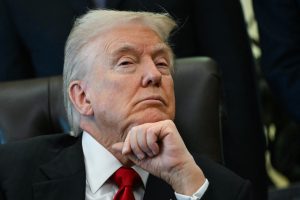
A significant diplomatic development has emerged with the formation of a deal aimed at reopening the Strait of Hormuz, a crucial global maritime chokepoint. This vital waterway, through which a substantial portion of the world's oil supply transits, has faced disruptions that impact global energy security and trade. While the specifics of this agreement and the participating nations are not detailed, its objective is to restore unimpeded passage, a move that would likely stabilize oil prices and facilitate international commerce. Notably, former U.S. President Donald Trump, whose administration previously engaged in significant geopolitical maneuvering in the region, has not yet been integrated into these discussions, leaving his potential involvement and the broader geopolitical implications of his absence uncertain. The Trump administration, from 2017 to 2021, pursued a policy of "maximum pressure" against Iran, which included increased naval presence and sanctions, often exacerbating tensions in the Strait.
In parallel, the burgeoning field of artificial intelligence (AI) continues to be a subject of intense scrutiny and concern. Bill Gates, a co-founder of Microsoft and a prominent figure in technology and philanthropy, has voiced a stark warning: the world is fundamentally unprepared for the potential risks associated with AI, stating emphatically, "There is no plan." This sentiment highlights a growing apprehension among experts regarding the societal, ethical, and economic ramifications of rapidly advancing AI technologies. The debate encompasses issues such as job displacement, the potential for misuse, and the need for robust regulatory frameworks. The anticipated productivity boosts from AI, a key driver of economic optimism, have yet to demonstrably materialize in macroeconomic data, adding a layer of complexity to economic forecasts and underscoring the challenges in harnessing AI's full potential for widespread economic benefit.
Financial markets are currently experiencing considerable dynamism, with Nvidia Corporation emerging as a dominant focal point. The semiconductor giant, a leading designer of graphics processing units (GPUs) essential for AI development and high-performance computing, has seen its stock performance surge, reflecting intense investor interest in the AI sector. This market activity occurs against a backdrop of persistent economic concerns. Experts are increasingly suggesting that the United States cannot effectively address its substantial national debt solely through economic growth, implying a need for more comprehensive fiscal strategies. The disconnect between the promise of AI-driven productivity gains and their actual economic impact further complicates the outlook for growth and fiscal sustainability. The article also touches upon the escalating costs associated with preparing college dorm rooms, an anecdotal observation that points to broader trends in consumer spending and the economics of higher education, reflecting the diverse range of economic factors influencing daily life.
Original source — read the full reporting at the publisher:
Read on FortuneGet the weekly AI digest
AI news + new model releases, weekly. Drafted by our agents, reviewed by humans.