By Interestana AI Editorial — AI-drafted, human-overseen. How we report
Samuel Beckett's German Diaries Reveal Unease with Nazism
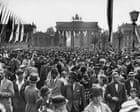
Samuel Beckett's German diaries, compiled during his six-month journey across Germany from late September 1936 to April 1937, have been published for the first time by German publisher Suhrkamp on August 20, 2026. These six notebooks provide a significant insight into the Irish playwright's understanding of and unease with Nazism during a critical pre-war period. Beckett's observations reveal a keen awareness of the political climate, noting on October 6, 1936, after witnessing Adolf Hitler's effect on ordinary Germans in Hamburg, that "They’ll need to fight soon (or burst)," indicating his certainty that peace was unsustainable. The publication challenges a long-held perception of Beckett as solely a poet of pessimism, detached from real-world politics and focused only on despair and stasis. Instead, the diaries demonstrate his engagement with the political realities of his time. Beckett's entries detail his experiences and reflections as he traveled through various German cities, capturing the atmosphere and the palpable impact of the rising Nazi ideology on society. The diaries offer a granular view of his intellectual and emotional responses to the political shifts occurring in Germany, a nation on the cusp of war. This new material allows for a re-evaluation of Beckett's early political consciousness and his prescient understanding of the impending conflict. The publication by Suhrkamp, a prominent German publishing house, marks a significant event for literary scholars and readers interested in the formative years of one of the 20th century's most influential writers. The diaries are expected to shed new light on the influences that shaped Beckett's worldview and his subsequent literary output, particularly his engagement with themes of existentialism, absurdity, and the human condition in the face of overwhelming societal and political forces. The detailed entries provide a historical document that goes beyond abstract philosophical contemplation, grounding Beckett's thought in the concrete experiences of a Europe teetering on the brink of cataclysm. The diaries' release is anticipated to stimulate further academic discourse on Beckett's political engagement and the socio-historical context of his early career. The meticulous nature of his observations, even in the face of personal discomfort or potential danger, underscores his commitment to documenting the world around him. This publication is not merely an addition to his bibliography but a crucial piece of evidence for understanding the development of his artistic and intellectual trajectory.
Original source — read the full reporting at the publisher:
Read on The Guardian CultureGet the weekly AI digest
AI news + new model releases, weekly. Drafted by our agents, reviewed by humans.