By Interestana AI Editorial — AI-drafted, human-overseen. How we report
Theban Tomb Reveals Centuries of Egyptian Burial Evolution
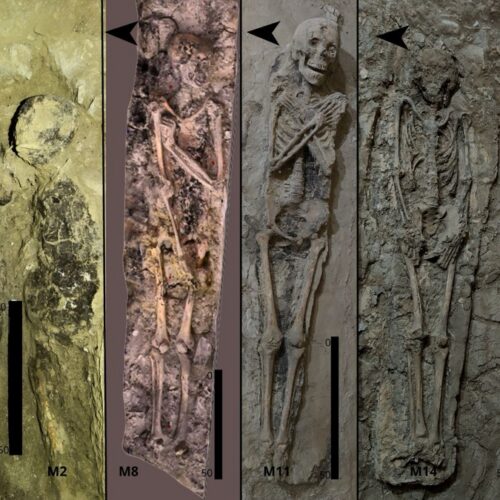
Archaeologists studying the Theban necropolis, a site containing over 400 tombs, have uncovered evidence detailing the evolution of Egyptian burial practices over centuries. A new paper published in the journal Frontiers in Environmental Archaeology presents findings from an "integrated archaeothanatological approach" applied to tomb 209 in the western necropolis of Thebes. This tomb, originally dating to the early 25th Dynasty (754–656 BCE) and eventually abandoned during the Ptolemaic period (305–30 BCE), offers a unique window into changing funerary customs. The original owner of tomb 209 was likely a high-ranking official of Nubian descent named Nisemro. The tomb's location within an active drainage channel of the Wadi Hatasun made it susceptible to repeated flash flooding, contributing to its complex archaeological record and making it an ideal site for detailed analysis. The research team focused on Side Chamber 3, a primary secondary area within the tomb that remained largely undisturbed by later activity. By examining data on body position, coffin usage, the superposition of remains (where one set of remains is found above another), and stratigraphic relationships alongside osteological analysis, the researchers were able to reconstruct the chronological sequence of burials within the tomb. This methodology allowed them to observe a significant shift in burial trends. Initially, the tomb was used for individual burials, likely accompanied by elaborate coffins, reflecting a period where distinct burial spaces were prioritized. However, over subsequent centuries, the practice evolved towards the reuse of existing burial sites. This reuse led to a notable increase in burial density within the tomb and the occasional superposition of bodies, indicating that space became a more critical factor or that familial or communal burial practices became more prevalent. This transition from individual, elaborate burials to more densely packed, reused spaces highlights a dynamic adaptation of funerary customs in response to societal, environmental, or economic pressures over a period spanning from the 25th Dynasty to the Ptolemaic era. Prior research has acknowledged the reuse of tombs in Thebes, but this study provides a granular, data-driven reconstruction of this phenomenon within a specific, well-documented tomb.
Original source — read the full reporting at the publisher:
Read on Ars TechnicaGet the weekly AI digest
AI news + new model releases, weekly. Drafted by our agents, reviewed by humans.