By Interestana AI Editorial — AI-drafted, human-overseen. How we report
John Malkovich Stars in Biopic of Recording-Averse Conductor
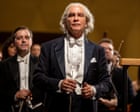
The film 'The Yellow Tie,' directed by Serge Ioan Celebidache, offers a biographical portrayal of his father, the renowned Romanian conductor and composer Sergiu Celibidache. This European biopic, described as a labor of love, presents a stately yet robust narrative, featuring heartfelt performances and competent visual effects. The central theme revolves around Celibidache's distinctive and uncompromising philosophy regarding music performance, deeply influenced by his Zen Buddhist studies. He held a firm conviction that recorded music, such as LPs and CDs, was inherently lifeless and that the true essence of music could only be experienced in the immediacy and authenticity of a live performance.
John Malkovich portrays an older Celibidache in his French retirement, delivering a performance characterized by a pronounced hauteur, particularly evident in an early scene where he vocally rejects a recording deal offered by Japanese executives. The film also features Ben Schnetzer as the younger Sergiu Celibidache, depicted as a prodigious talent whose burgeoning musical aspirations clash with his father's traditional expectations. His father, played by Sean Bean, is a respected public official who anticipated his son pursuing a career in civil service. This paternal disapproval culminates in a demand for the return of a specific yellow tie, a family heirloom favored by generations of men. This symbolic tie becomes a focal point, representing the young Sergiu's internal conflict between his desire to gain his father's approval and his drive for artistic independence.
Sergiu Celibidache (1912-1996) was a significant figure in 20th-century classical music, celebrated for his interpretations of composers like Bruckner and Brahms. His career spanned decades, with notable conducting positions at orchestras such as the Munich Philharmonic, where he served as chief conductor from 1979 until his death. His staunch opposition to recording was a defining aspect of his public persona and artistic philosophy, setting him apart from many of his contemporaries who embraced recording as a means of wider dissemination and legacy preservation. The film, therefore, delves into the motivations behind this unique stance, exploring its roots in his spiritual and philosophical beliefs.
The narrative structure of 'The Yellow Tie' employs a dual timeline, contrasting the elder Celibidache's reflections with the formative experiences of his youth. This approach allows for an exploration of the complex father-son dynamic that shaped the conductor's early career and his subsequent artistic choices. The film aims to illuminate not just the musical genius of Sergiu Celibidache but also the personal struggles and philosophical underpinnings that informed his legendary aversion to the recording studio, ultimately presenting a comprehensive portrait of a singular artistic personality.
Original source — read the full reporting at the publisher:
Read on The Guardian CultureGet the weekly AI digest
AI news + new model releases, weekly. Drafted by our agents, reviewed by humans.