By Interestana AI Editorial — AI-drafted, human-overseen. How we report
World Rivers Face Crisis Amid Driest Year in Decades
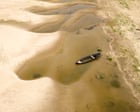
Rivers worldwide are confronting a significant environmental crisis, with 2025 marking one of the driest years recorded in more than three decades, according to a new report from the World Meteorological Organization (WMO). This finding underscores the escalating challenges facing these vital waterways, which have historically been revered and relied upon by human societies and numerous animal species for sustenance, trade, and cultural significance. The WMO's assessment highlights a global pattern of reduced water levels, impacting ecosystems and human populations that depend on river systems.
The report's findings are particularly concerning given the multifaceted pressures rivers are currently enduring. These include the impacts of climate change, pollution, and unsustainable water management practices. The WMO's data for 2025 indicates a widespread and severe reduction in river flow across numerous regions, a trend that exacerbates existing environmental stresses. This situation is further contextualized by related environmental events, such as a recent study suggesting the climate crisis likely weakened a glacier responsible for devastating floods in Nepal and Tibet. Additionally, France has been confronting an arson problem, with 514 individuals accused of starting wildfires during a particularly harsh summer, illustrating the broader environmental fragilities being exposed.
The Guardian has launched a year-long project, "Our Rivers," to draw attention to these critical issues and explore potential solutions. This initiative aims to raise public awareness about the degradation of river systems and the urgent need for conservation efforts. The project will delve into the complex interplay of factors contributing to the crisis, including the direct and indirect effects of human activities and the accelerating impacts of climate change. By examining specific case studies and scientific data, "Our Rivers" seeks to foster a deeper understanding of the ecological, economic, and social consequences of riverine decline.
Historically, rivers have been central to human civilization, serving as arteries for transportation, sources of freshwater, and cradles of biodiversity. Their nicknames, such as "the great river," "the river that swallows all rivers," "Mother Ganga," and "Old father Thames," reflect the profound respect and dependence humanity has placed upon them. However, this reverence is increasingly challenged by the current environmental realities. The WMO's stark findings for 2025 serve as a critical warning, emphasizing that the health of the world's rivers is at a breaking point. The project's exploration into these issues, alongside broader environmental discussions, such as actor Benedict Cumberbatch's commentary on the "extraction era," highlights a growing global recognition of the urgency required to address environmental degradation and protect vital natural resources before irreversible damage occurs.
Original source — read the full reporting at the publisher:
Read on The Guardian EnvironmentGet the weekly AI digest
AI news + new model releases, weekly. Drafted by our agents, reviewed by humans.