By Interestana AI Editorial — AI-drafted, human-overseen. How we report
Vivodyne's 'Biological Datacenter' Aims to Revolutionize Drug Testing, Potentially Ending Animal Use
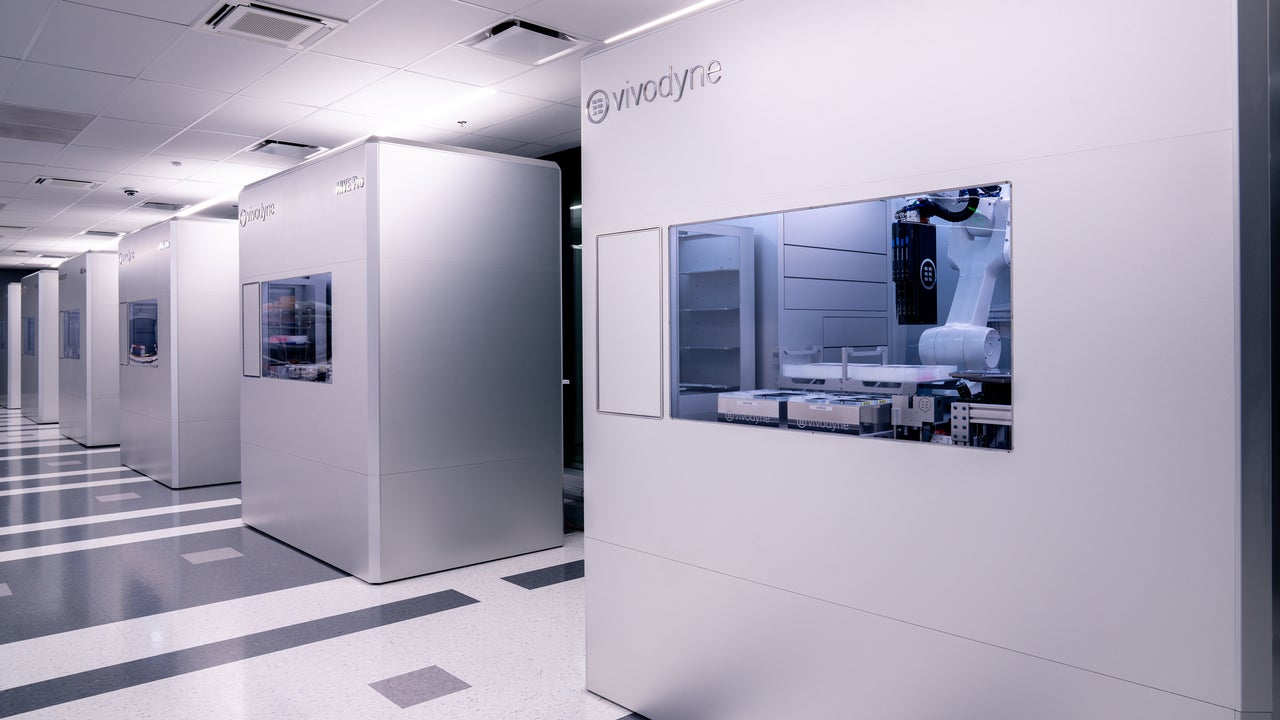
Vivodyne, a startup situated south of San Francisco, is making significant strides in scaling its innovative "biological datacenter" initiative. This ambitious project leverages advanced robotic laboratories to cultivate human tissue and execute AI-designed experiments, fundamentally altering the landscape of drug development and testing. The core motivation behind Vivodyne's approach is to address a critical and persistent flaw in the current pharmaceutical research paradigm: the stark disconnect between the efficacy of drugs in animal models and their performance in human clinical trials. Historically, the industry has heavily relied on animal testing, a practice now facing scrutiny due to its limited predictive power. Statistics reveal a sobering reality: approximately 90% of clinical trials fail, even after a drug has successfully navigated the rigorous process of animal testing. This high failure rate translates into immense financial losses, with hundreds of millions of dollars at stake in each trial, and represents decades of dedicated scientific careers spent in pursuit of potentially ineffective or unsafe treatments. Andrei Georgescu, Vivodyne's CEO, emphasizes this point, highlighting the "ambiguity" that could have been identified and addressed earlier. Vivodyne's sophisticated system currently comprises a dozen automated robotic laboratories, referred to as "hives." These hives are engineered for immense throughput, capable of processing over 3 million human tissue samples annually. This capacity is reportedly double the combined total of all clinical trials conducted across the United States, underscoring the scale of Vivodyne's operation. The process commences with human cells, often sourced from readily available samples like blood draws. Within the controlled environment of Vivodyne's labs, these cells are cultured on specialized "biological chips." These chips facilitate the self-assembly of cells into complex, living structures that mimic key biological functions. These engineered tissues incorporate essential components such as blood vessels and immune cells, thereby replicating some of the intricate functionalities of human organs, including the liver or kidney. While these tissues do not resemble full-sized organs, they are substantial, akin to large biopsies, and contain hundreds of thousands of cells. The automated system within the hives is equipped to perform a wide array of complex operations. This includes the precise delivery of drugs, the application of cell therapies, the targeted knockout of specific genes, and the execution of sophisticated analytical tests. Artificial intelligence is integral to this process, not only designing initial experiments but also continuously learning from the results to iteratively refine and optimize subsequent experimental designs. Georgescu further elaborates on the system's capacity to test "tens and tens of thousands of therapeutic compounds" across diverse human tissue types. This allows for a granular understanding of how potential treatments would interact with specific biological environments within a human body, with the ability to repeat and validate these findings across multiple tissue types. Ultimately, Vivodyne's advanced methodology promises more accurate predictions of drug efficacy and safety, thereby offering a compelling alternative to traditional animal testing and potentially accelerating the development of more successful and safer medicines for human use.
Original source — read the full reporting at the publisher:
Read on Fast CompanyGet the weekly AI digest
AI news + new model releases, weekly. Drafted by our agents, reviewed by humans.