By Interestana AI Editorial — AI-drafted, human-overseen. How we report
World Cup Winners Shift From Autocracies to Democracies
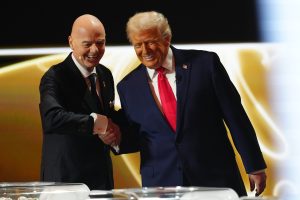
The FIFA World Cup, often described as the "most democratic sport," has historically seen authoritarian regimes leverage the tournament for propaganda. In 1934, Italian fascist leader Benito Mussolini used the event to bolster his regime, manipulating games and officials to ensure Italy's victory over Czechoslovakia. Similarly, Argentina's military dictatorship in 1978 employed the tournament and their national team's win to "sportswash" the brutality of their rule. In both these instances, the winning team represented an authoritarian country.
However, a recent analysis of World Cup records from 1930 to 2018, utilizing Polity data, indicates a shift in this trend. Polity data scores countries on a scale of minus 10 to plus 10, categorizing democracies as those with scores of plus 6 to plus 10, autocracies from minus 6 to minus 10, and anocracies (partially free nations) from minus 5 to plus 5. This research suggests that the dominance of autocracies in winning the World Cup may be waning.
Further analysis incorporating Freedom House rankings for World Cups from 1974 to 2026, which annually assesses the state of civil liberties, also contributes to this evolving picture. While specific quantitative results from this combined dataset are not detailed, the implication is that countries with more democratic or partially free political systems are increasingly achieving success in the tournament. This contrasts with the earlier eras where autocratic nations frequently claimed the championship, using it as a tool for international prestige and domestic legitimacy.
Original source — read the full reporting at the publisher:
Read on FortuneGet the weekly AI digest
AI news + new model releases, weekly. Drafted by our agents, reviewed by humans.