World Cup Security Systems Raise Privacy Concerns
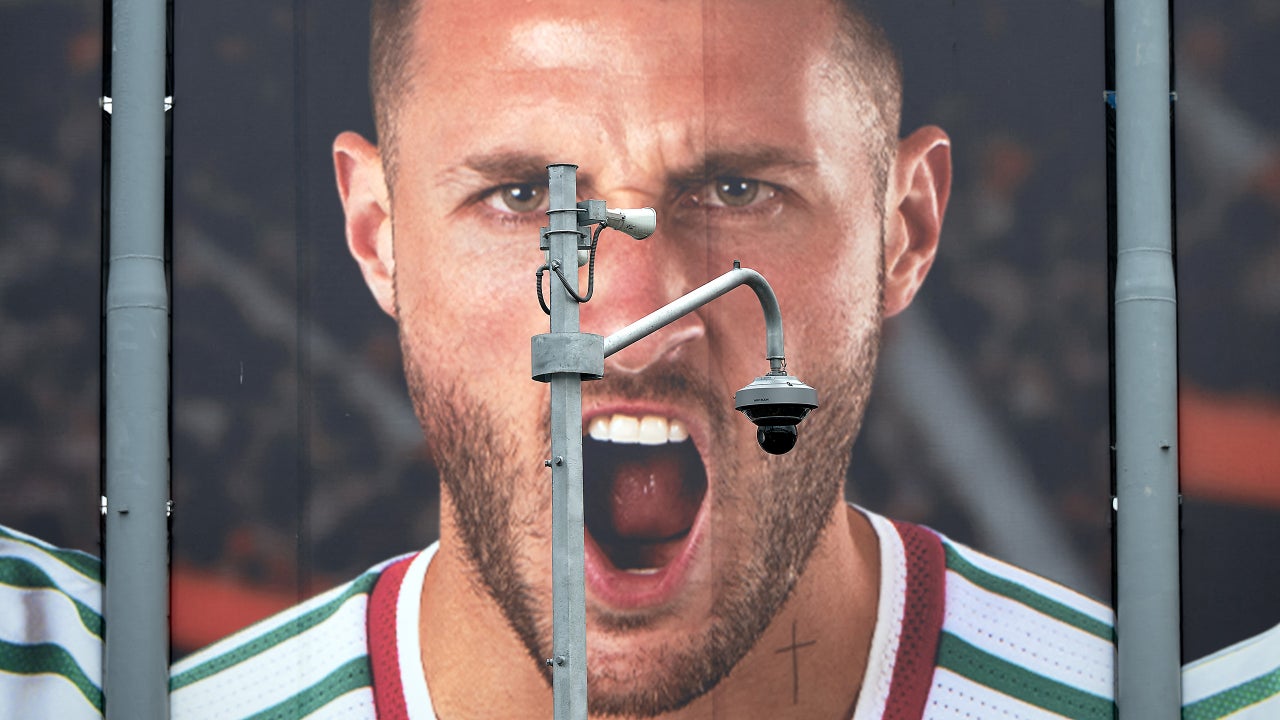
The 2026 FIFA World Cup, the largest and most surveilled in history, has seen over $1 billion invested by the U.S. government in security systems. This investment aims to protect transit hubs, stadiums, and surrounding areas, enhance tactical operations, and upgrade equipment, with a significant portion dedicated to preventing unauthorized drone use. This surge in surveillance technology development and acquisition is fueling a growing partnership between government and the private sector, raising substantial privacy concerns.
The extensive surveillance measures involve monitoring individuals' faces, behavior, movements, and devices. This has prompted over 120 civil society groups, including Amnesty International and the American Civil Liberties Union, to issue a joint travel advisory. The advisory warns visitors to the U.S. about potential harms that could breach the country's legal human rights obligations, citing risks such as invasive social media screening, electronic device searches, racial profiling, arrest, detention, deportation, and even death.
Concerns are amplified by the fact that surveillance-friendly policies and technologies, once implemented, rarely disappear. The author, an attorney, author, and educator with decades of experience in privacy and surveillance, notes that while security is critical, the "security argument" is frequently used to fund and expand government surveillance capabilities. This expansion can erode civil liberties, chill free speech, and undermine freedom of association. European governments have also issued travel advisories highlighting surveillance and profiling risks.
The integration of cameras, drones, and artificial intelligence in security operations during major events like the World Cup represents a significant shift in surveillance capabilities. The long-term implications of these deployed systems and the policies that enable them are a subject of ongoing debate and concern for privacy advocates and civil liberties organizations.
Original source — read the full reporting at the publisher:
Read on Fast Company