By Interestana AI Editorial — AI-drafted, human-overseen. How we report
Uncertainty Acceptance Shifts Worldview
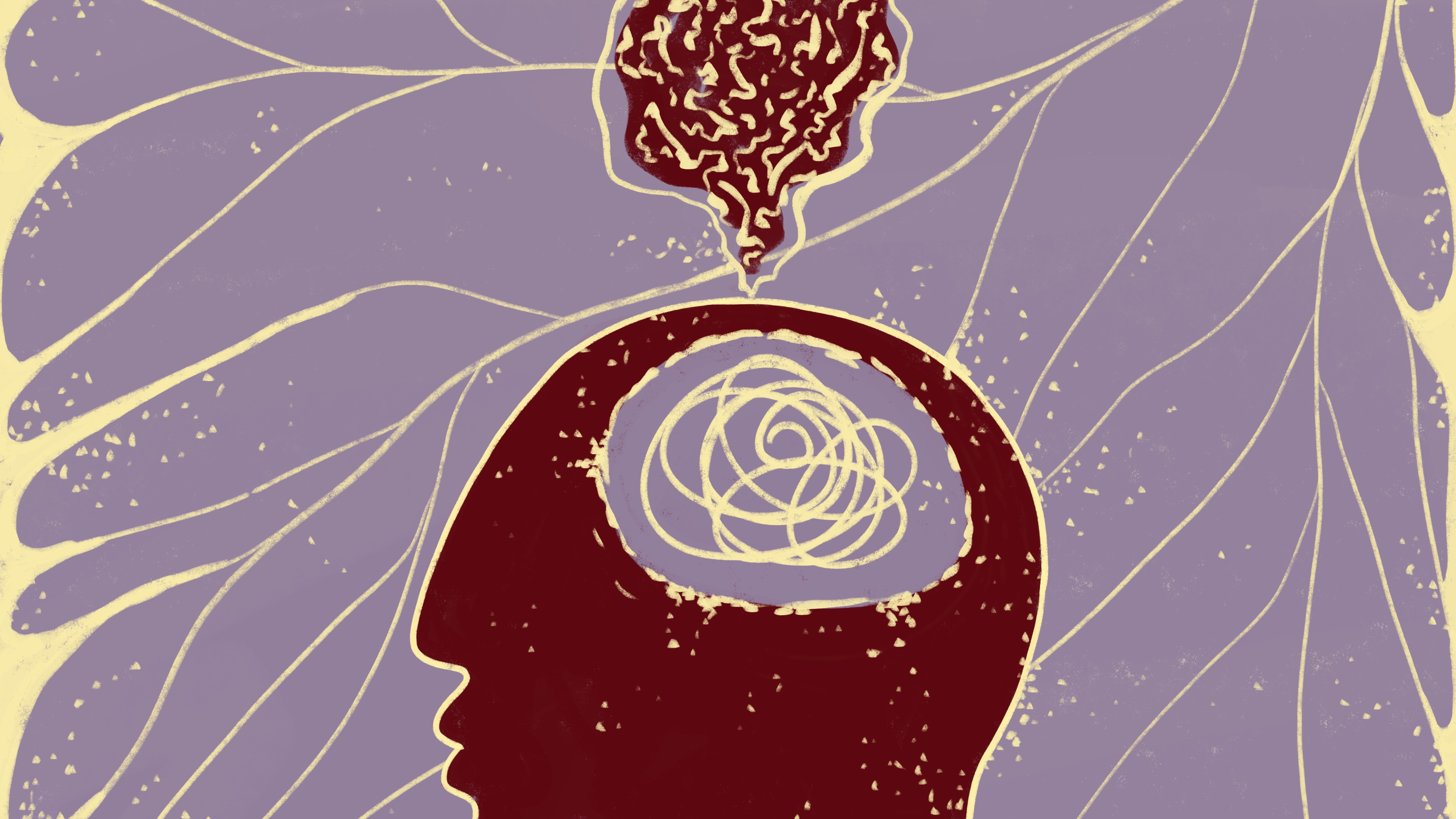
Accepting uncertainty is a transformative mindset that can fundamentally alter an individual's perception and interaction with the world. This perspective shift moves away from a rigid need for predictability and control, instead fostering a greater sense of resilience, adaptability, and openness to new experiences. When individuals embrace what they do not know, they are less likely to experience anxiety and stress associated with the unknown. This acceptance allows for a more fluid engagement with life's challenges, enabling individuals to navigate complex situations with greater composure and creativity. Instead of viewing uncertainty as a threat, it is reframed as an inherent aspect of existence, a fertile ground for growth and discovery.
The psychological benefits of embracing uncertainty are significant. Research suggests that individuals who are more comfortable with ambiguity tend to exhibit higher levels of emotional intelligence and are better equipped to manage stress. This is because they are not constantly expending energy trying to eliminate or control unpredictable elements. Instead, they learn to flow with them, adapting their strategies and expectations as circumstances evolve. This can lead to improved mental well-being, reduced rumination, and a greater capacity for problem-solving. The ability to tolerate uncertainty is closely linked to cognitive flexibility, allowing individuals to consider multiple perspectives and solutions without becoming fixated on a single, potentially unattainable, outcome.
Practically, embracing uncertainty can manifest in various aspects of life. In personal relationships, it means accepting that one cannot fully predict or control another person's actions or feelings, leading to more authentic and less demanding connections. In professional settings, it encourages innovation and risk-taking, as the fear of failure is diminished when the outcome is not predetermined. This can foster a more dynamic and productive work environment. For example, instead of rigidly adhering to a five-year business plan, an organization might adopt a more agile approach, ready to pivot based on market feedback or emerging opportunities. This adaptability is crucial in today's rapidly changing global landscape.
Furthermore, accepting uncertainty can lead to a richer appreciation of the present moment. When the focus is not solely on future outcomes, individuals can engage more fully with their current experiences, finding joy and meaning in the everyday. This mindful approach, often cultivated through practices like meditation, helps to ground individuals and reduce the pervasive worry about what might happen. It encourages a sense of curiosity and wonder, transforming the unknown from a source of dread into an invitation for exploration. Ultimately, the wisdom of uncertainty lies in its power to unlock a more liberated, resilient, and fulfilling way of living.
Original source — read the full reporting at the publisher:
Read on The AtlanticGet the weekly AI digest
AI news + new model releases, weekly. Drafted by our agents, reviewed by humans.