By Interestana AI Editorial — AI-drafted, human-overseen. How we report
Guardian's Invertebrate of the Year 2026 Crowned After Closely Contested Race
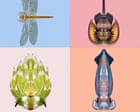
The highly anticipated 2026 Guardian Invertebrate of the Year has been revealed, concluding a competition that proved significantly more closely fought than in its preceding years. This marks the fourth iteration of an award established by The Guardian with the explicit mission to celebrate and champion invertebrates – a vast and diverse group of animals that are frequently overlooked, misunderstood, and even derided. In stark contrast to the decisive "landslide" victories of the tardigrade in a previous year and the common earthworm in another, the 2026 contest saw a much tighter race, suggesting a broader public engagement with a wider array of invertebrate contenders and a more nuanced appreciation for their unique qualities.
The competition's inception three years prior to this announcement was driven by a desire to highlight the sheer immensity and ecological significance of invertebrates. These creatures form the bedrock of terrestrial and aquatic ecosystems, representing an astonishing proportion of all known animal life. With at least 1.7 million species already described by scientists, and estimates suggesting millions more await discovery and formal classification, invertebrates constitute approximately 97% of all animal species on Earth. Their pervasive presence and fundamental roles in processes such as pollination, decomposition, nutrient cycling, and serving as a crucial food source for countless other organisms are indispensable to the planet's health and the functioning of biodiversity.
The announcement of the 2026 winner was a focal point of a video presentation hosted by the renowned presenter and naturalist Chris Packham. Packham meticulously guided viewers through the top three finalists, building anticipation before ultimately declaring the winning invertebrate. This format not only educates the public about the specific merits of each contender but also underscores the broader educational aims of the competition: to foster a deeper understanding and appreciation for the intricate lives and ecological importance of creatures often relegated to the background. By focusing on insects, arachnids, mollusks, crustaceans, and other invertebrate groups, The Guardian aims to cultivate a greater respect for the planet's biodiversity and the complex, interconnected web of life that sustains all living things. The increasing competitiveness of the award over its four-year history signals a growing public interest in these essential, yet frequently unseen, components of our natural world, reinforcing the ongoing need for conservation efforts that protect all life forms, regardless of their size or perceived importance.
Original source — read the full reporting at the publisher:
Read on The Guardian EnvironmentGet the weekly AI digest
AI news + new model releases, weekly. Drafted by our agents, reviewed by humans.