By Interestana AI Editorial — AI-drafted, human-overseen. How we report
White House Seeks to Isolate Smithsonian Institution
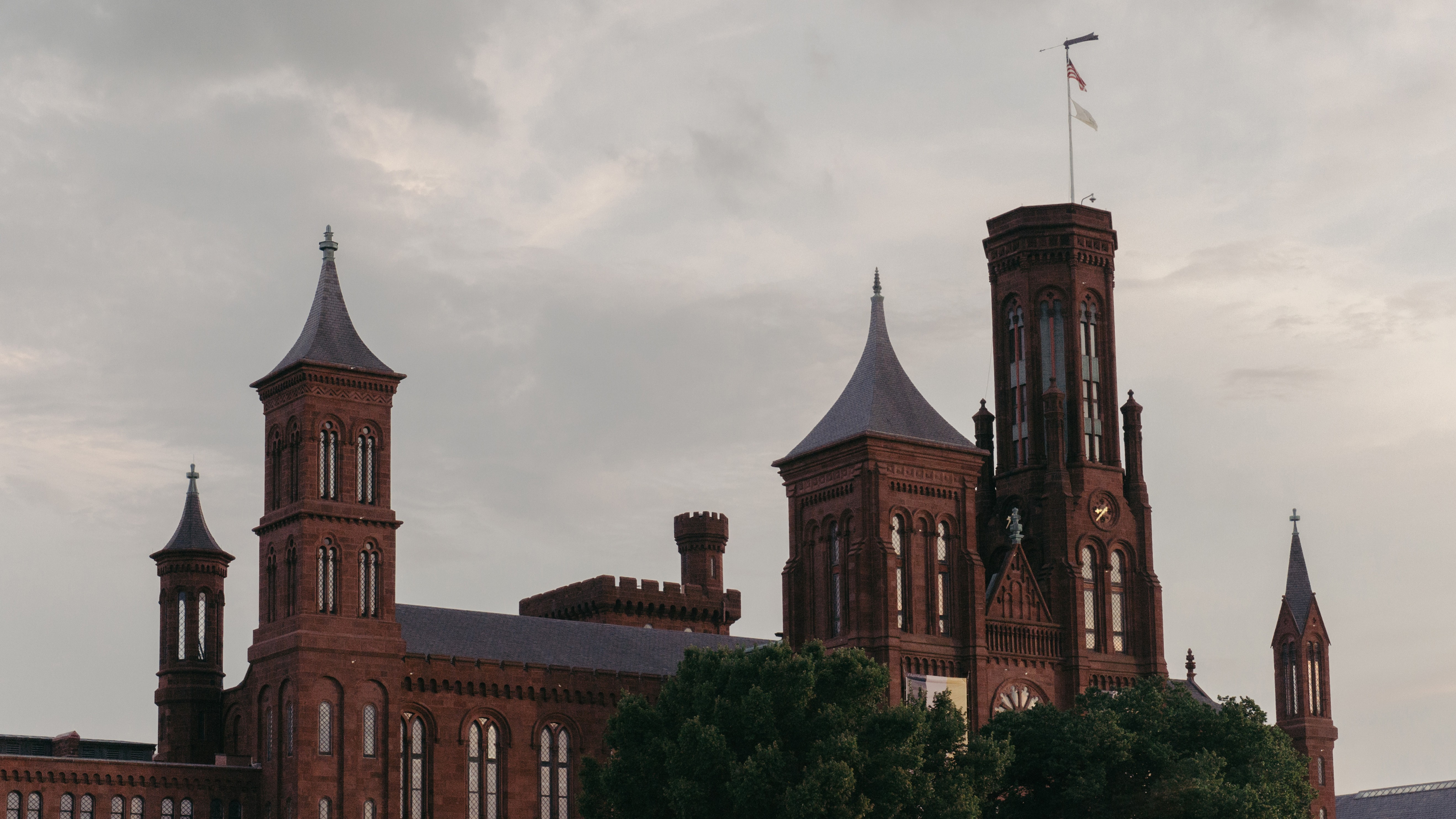
The Smithsonian Institution is experiencing a renewed period of isolation orchestrated by the White House, a situation that underscores the museum complex's vulnerability to political pressure campaigns. This renewed threat emerges in the context of ongoing debates and scrutiny surrounding the institution's operations and its perceived alignment with certain political viewpoints. The White House's efforts to isolate the Smithsonian suggest a strategic move to limit its influence and potentially reshape its public perception or operational directives. This isolation is not entirely new, as the institution has historically navigated complex relationships with governmental bodies, but the current intensity and specific tactics employed by the White House mark a significant escalation.
The Smithsonian Institution, a group of museums and research centers administered by the U.S. government, is the world's largest museum, education, and research complex. Its mission is to increase and diffuse knowledge among mankind. The institution comprises 21 museums, the National Zoological Park, and numerous research centers, including the Smithsonian Astrophysical Observatory and the Marine Science Network. Its vast collections encompass millions of artifacts and specimens, covering American history, art, natural history, and culture. The institution's independence and its role as a national repository of knowledge are central to its identity and public trust. However, its reliance on federal funding and its governance structure, which involves presidential appointment of regents, make it susceptible to political influence.
The current pressure campaign from the White House appears to be testing the limits of political leverage over a seemingly independent cultural and scientific entity. While the specific demands or grievances driving this pressure are not fully detailed, the strategy of isolation implies an attempt to diminish the Smithsonian's public standing or to compel changes in its programming or institutional policies. This approach could involve limiting access to federal resources, discouraging partnerships with government agencies, or publicly criticizing the institution's activities. Such tactics aim to weaken the Smithsonian's ability to operate effectively and to exert its influence on national discourse regarding history, science, and culture.
The historical context of political pressure on the Smithsonian is relevant here. During previous administrations, the institution has faced scrutiny over its exhibitions and collections, particularly when they touched upon sensitive historical or social issues. However, the current situation seems to be characterized by a more concerted and potentially broader effort to isolate the institution. The effectiveness of such isolation tactics remains to be seen, as the Smithsonian's broad public appeal and its deep roots in American cultural life provide a degree of resilience. Nevertheless, the renewed threat highlights the ongoing tension between political power and the autonomy of cultural and scientific institutions in the United States.
Original source — read the full reporting at the publisher:
Read on The AtlanticGet the weekly AI digest
AI news + new model releases, weekly. Drafted by our agents, reviewed by humans.