By Interestana AI Editorial — AI-drafted, human-overseen. How we report
Treasury Secretary Projects Confidence Amid Borrowing Cost Struggles
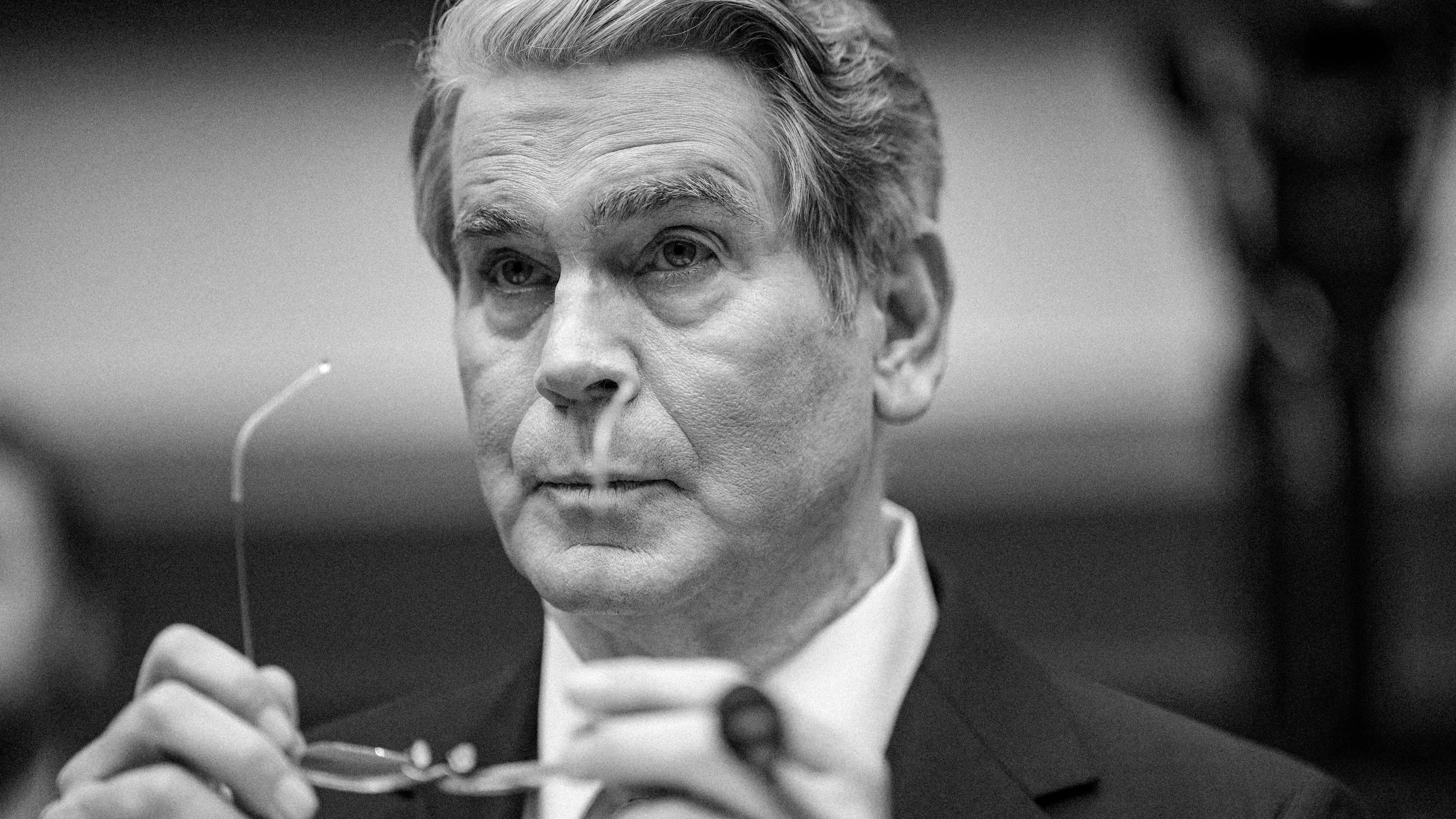
United States Treasury Secretary Janet Yellen is projecting an image of confidence regarding the nation's economic trajectory, even as the administration grapples with the persistent challenge of reducing borrowing costs. This dual stance highlights the complex economic landscape the Treasury Department navigates, balancing optimistic outlooks with the practical difficulties of fiscal management. The ability to lower borrowing costs is crucial for the government's financial health, impacting everything from national debt servicing to the funding of public services and infrastructure projects. High borrowing costs translate to increased interest payments on the national debt, diverting funds that could otherwise be allocated to other critical areas.
Secretary Yellen's public statements often emphasize the underlying strength of the U.S. economy, pointing to indicators such as job growth, inflation trends, and consumer spending as evidence of resilience. This narrative aims to reassure markets and the public, fostering stability and confidence. However, the underlying fiscal realities present a more intricate picture. The national debt has been a growing concern, and managing its cost through lower interest rates is a significant objective. The Federal Reserve's monetary policy, particularly interest rate decisions, plays a pivotal role in influencing these borrowing costs. When the Federal Reserve raises interest rates to combat inflation, it generally leads to higher borrowing costs across the economy, including for the government.
The Treasury Department's efforts to manage borrowing costs involve a variety of strategies, including the issuance of different types of Treasury securities and managing the overall supply of debt. The success of these strategies is often intertwined with broader economic conditions and investor sentiment. A strong demand for U.S. Treasury bonds, driven by their perceived safety and reliability, can help keep yields (and thus borrowing costs) lower. Conversely, concerns about the U.S. fiscal outlook or global economic instability can lead investors to demand higher yields for holding U.S. debt.
Secretary Yellen's public communications are therefore a critical component of the Treasury's broader strategy. By projecting confidence, she seeks to influence market expectations and reinforce the perception of U.S. economic stability. This can, in turn, support demand for Treasury securities and contribute to efforts to manage borrowing costs. The ongoing tension between this projected confidence and the tangible challenges of fiscal management underscores the delicate balancing act inherent in leading the nation's finances. The administration's ability to effectively address both the narrative and the underlying economic mechanics will be key to its fiscal success in the coming years.
Original source — read the full reporting at the publisher:
Read on The AtlanticGet the weekly AI digest
AI news + new model releases, weekly. Drafted by our agents, reviewed by humans.