By Interestana AI Editorial — AI-drafted, human-overseen. How we report
Hayley Mills Recalls Filming Whistle Down the Wind
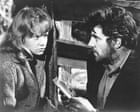
Hayley Mills, a prominent British actress, has shared recollections of her experience filming the 1961 film 'Whistle Down the Wind,' a project that presented a stark contrast to her previous work in America. Mills noted the significant difference in the filming environment, describing the Lancashire farm setting as being "mud everywhere." She also detailed the distinct local cuisine consumed by the cast and crew during production, which included "dripping, jam butties and fried eggs in buns," a departure from typical catering. The film's narrative was adapted from a novel penned by Mills's mother, Mary Hayley Bell. The original story centered on three children residing on a farm in Sussex. These characters were reportedly inspired by Mills's own siblings: Juliet and Jonathan, alongside herself. The plot unfolds as the children discover a man hiding in their barn. Mistaking him for Jesus Christ, they resolve to conceal and safeguard him from the adult world, driven by a desire to prevent him from suffering a fate similar to what they perceived as a past negative experience. The film's iconic theme tune, which features whistling, has been attributed by Mills to the actor Dickie Attenborough, who was involved in the production. 'Whistle Down the Wind' was directed by Bryan Forbes and produced by Richard Attenborough, with a screenplay by Keith Waterhouse and Willis Hall. The film was released in the United Kingdom on March 30, 1961. It garnered critical acclaim for its poignant portrayal of childhood innocence and faith juxtaposed with adult skepticism and fear. The story's themes of belief, deception, and the protection of the vulnerable resonated with audiences and critics alike. Hayley Mills's performance as the eldest child, Swallow, was particularly lauded, earning her a BAFTA Award nomination for Best Actress. The film's setting in the industrial north of England, specifically Lancashire, provided a gritty realism that contrasted with the more idyllic Sussex setting of the original novel. This geographical shift was a deliberate choice by the filmmakers to enhance the story's atmosphere and thematic depth. The novel itself was published in 1958, two years before the film's production began. Mary Hayley Bell was a successful novelist and playwright before her daughter's acting career took off. The collaboration between mother and daughter on this project highlights a significant moment in their respective creative lives. The film's enduring legacy is cemented by its continued presence in cultural discussions about British cinema and its exploration of profound human themes through a child's perspective. The narrative's ability to evoke both empathy and critical thought has ensured its place as a classic of its era. The film's soundtrack, featuring music by Malcolm Arnold, also contributed significantly to its emotional impact and critical reception.
Original source — read the full reporting at the publisher:
Read on The Guardian CultureGet the weekly AI digest
AI news + new model releases, weekly. Drafted by our agents, reviewed by humans.