By Interestana AI Editorial — AI-drafted, human-overseen. How we report
Trump Administration Conceals US Soldier Deaths
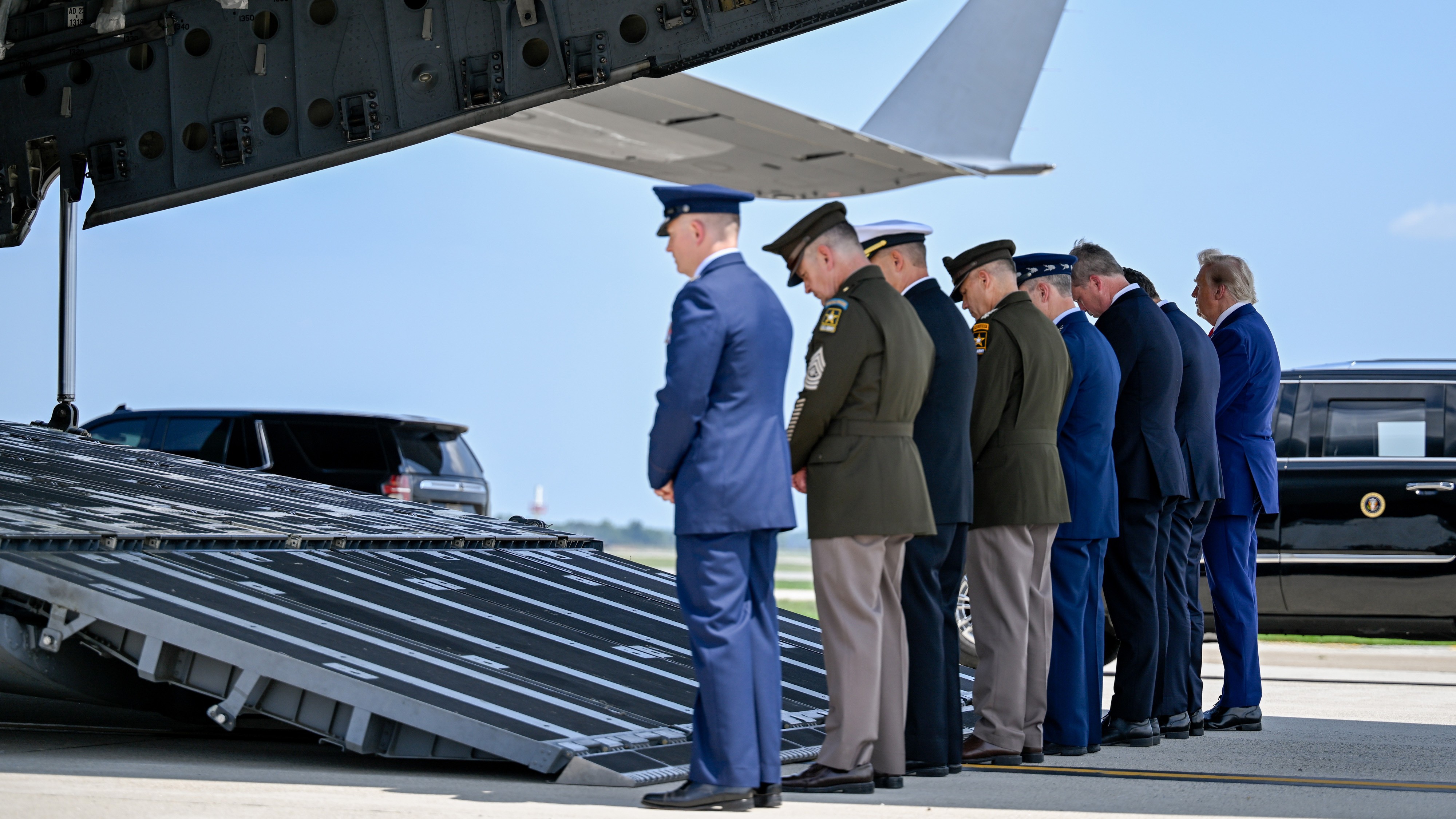
The Trump administration has engaged in a deliberate effort to conceal the deaths of American soldiers, a strategy that critics have characterized as a "bumbling effort" to avoid acknowledging the existence of a war. This policy of obfuscation extends to the administration's handling of casualty figures, with reports indicating a systematic cover-up of American fatalities in conflict zones. The extent of this concealment remains unclear, but the directive appears to stem from a desire to maintain a narrative that avoids public acknowledgment of ongoing military engagements and their associated human cost. This approach contrasts with previous administrations that, while sometimes managing information, did not engage in such overt suppression of casualty data. The implications of this policy are significant, potentially impacting public understanding of military operations, the sacrifices made by service members, and the broader geopolitical context in which these conflicts occur. By obscuring these deaths, the administration risks undermining transparency and accountability in matters of national security and foreign policy. The decision to cover up these deaths raises serious ethical and political questions about the government's responsibility to its citizens and its military personnel. It suggests a prioritization of political optics over the public's right to know about the consequences of military actions. The lack of transparency could also hinder efforts to provide adequate support and recognition to the families of fallen soldiers. Furthermore, the administration's actions could set a dangerous precedent for future conflicts, normalizing the concealment of casualties and eroding public trust in government reporting on military affairs. The specific conflicts or regions where these deaths have been concealed are not detailed, but the overarching policy indicates a broad directive to suppress information. This situation highlights a critical tension between the demands of wartime secrecy and the public's fundamental right to information, particularly concerning the lives and deaths of those serving in the armed forces. The administration's approach appears to be driven by a desire to avoid the political fallout associated with acknowledging casualties, thereby attempting to manage public perception of ongoing military involvement. This strategy, however, comes at the cost of truthfulness and potentially deprives the public of a clear understanding of the nation's military commitments and their human toll.
Original source — read the full reporting at the publisher:
Read on The AtlanticGet the weekly AI digest
AI news + new model releases, weekly. Drafted by our agents, reviewed by humans.