By Interestana AI Editorial — AI-drafted, human-overseen. How we report
US Seizes Venezuelan Oil, Sparking Familiar Economic Cycle
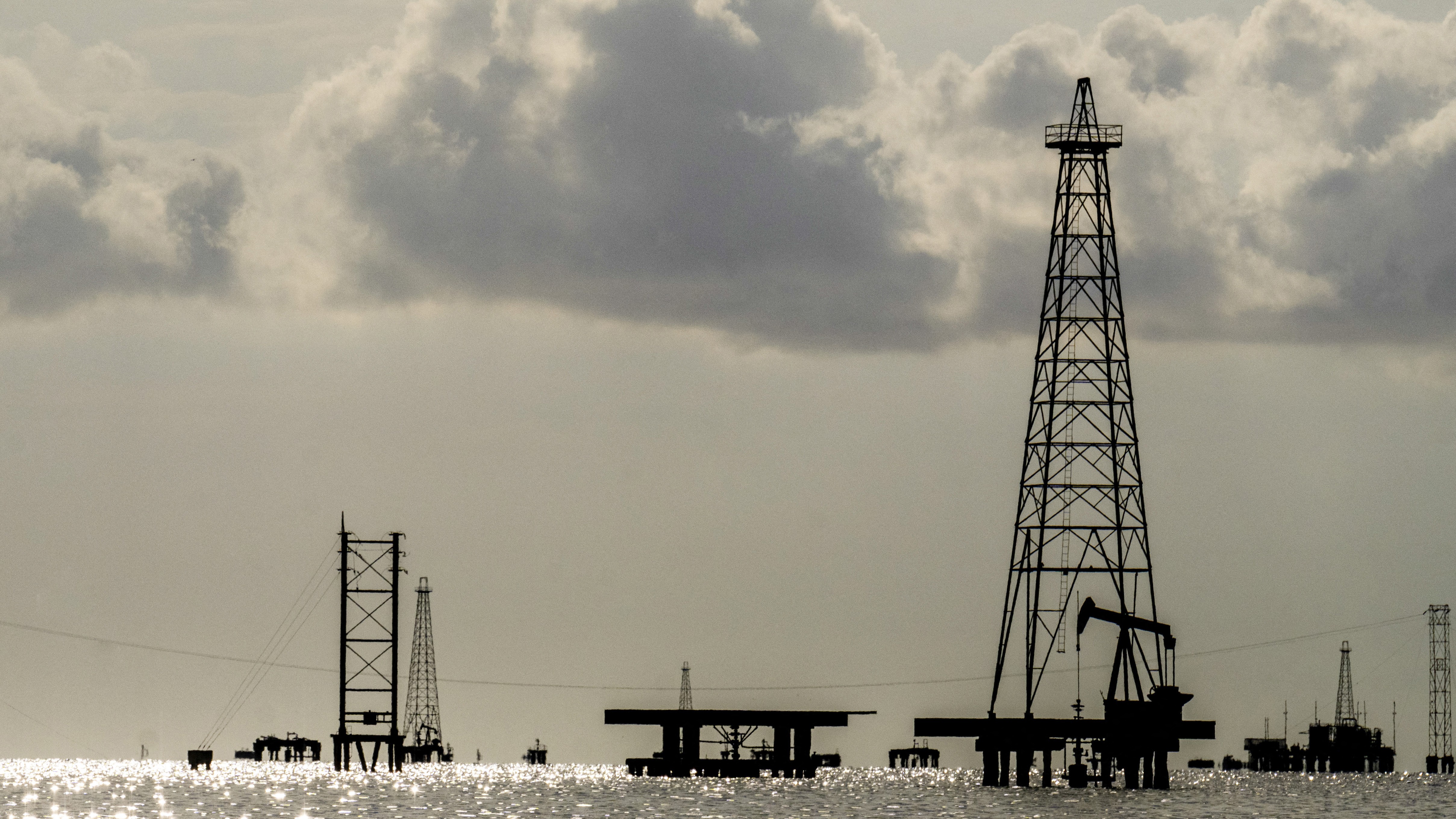
The United States has initiated the seizure of Venezuelan oil, a move that signals the potential re-initiation of a well-documented and detrimental economic cycle for Venezuela. This action is not unprecedented and follows a pattern of external intervention and internal mismanagement that has historically plagued the South American nation's economy. The seizure is likely to have immediate repercussions on global oil supply and prices, as Venezuela, despite its economic challenges, remains a significant oil producer. The specific quantity of oil seized and its estimated value have not been fully disclosed, but the act itself represents a substantial escalation in economic pressure on the Venezuelan government.
This intervention by the US is part of a broader strategy aimed at influencing political and economic conditions within Venezuela. Historically, such seizures have been employed as leverage in diplomatic disputes and to exert pressure on regimes deemed illegitimate or hostile by the intervening nation. For Venezuela, this means a further reduction in its already strained export revenues, which are critical for funding government operations and essential imports. The country has faced years of economic sanctions and political instability, leading to widespread shortages of food, medicine, and basic necessities, as well as a significant exodus of its population. The seizure of oil assets directly impacts the government's ability to generate foreign currency, exacerbating these existing crises.
The economic cycle that the US action may restart is characterized by a downward spiral. Reduced oil revenues lead to decreased government spending, which in turn fuels inflation and further economic contraction. This can lead to increased social unrest, prompting more stringent government controls and potentially further international isolation. The cycle is vicious because each turn reinforces the negative trends, making recovery increasingly difficult. Past instances of such interventions have often resulted in prolonged periods of economic hardship and political deadlock, with limited benefits for the general population.
Furthermore, the seizure of oil assets can have ripple effects on international energy markets. Venezuela's oil production has been hampered by years of underinvestment and sanctions, but it still holds some of the largest proven oil reserves in the world. Any disruption to its export capacity, whether through seizure or production issues, can contribute to price volatility. Other oil-producing nations and major energy consumers will be closely monitoring the situation to assess its impact on global supply and demand dynamics. The long-term consequences for Venezuela's oil industry and its ability to attract foreign investment for future development remain uncertain, but likely negative in the short to medium term.
Original source — read the full reporting at the publisher:
Read on The AtlanticGet the weekly AI digest
AI news + new model releases, weekly. Drafted by our agents, reviewed by humans.