By Interestana AI Editorial — AI-drafted, human-overseen. How we report
US Reopens Border to Mexican Cattle After Screwworm Ban
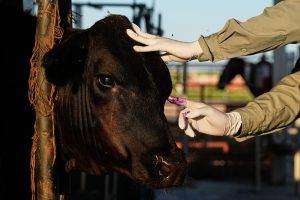
The United States is set to resume cattle imports from Mexico beginning August 24, 2024, at the Douglas, Arizona, border crossing. This decision marks the end of a yearlong ban imposed due to concerns over the New World screwworm fly, a flesh-eating parasite. The ban significantly impacted both the U.S. and Mexican cattle and beef industries, contributing to a livestock shortage in the U.S. and harming Mexico's ranching sector, which had generated $1.2 billion from cattle exports the previous year. The reopening is contingent on a smooth process, with the U.S. Department of Agriculture potentially expanding import access through additional ports if initial shipments are successful. However, these shipments will initially face restrictions designed to prevent the parasite's spread. The screwworm has already been detected in the U.S., with authorities actively managing cases in Texas and New Mexico. The USDA Animal and Plant Health Inspection Service explains that the screwworm fly's larvae burrow into wounds, a condition that can affect any warm-blooded animal, including wildlife, pets, and humans. In Mexico, the screwworm outbreak was first identified in November 2024 and has since spread to 30 of the country's 32 states. Sonora, the state bordering the chosen U.S. crossing point, recently reported its first case in Munihuasa, near areas already experiencing infections like Chihuahua and Sinaloa. As of the latest reports, Mexico has recorded 1,969 active screwworm cases. While this number represents a decrease from the previous year, indicating progress in containment efforts, Mexican authorities acknowledge that complete eradication will be a lengthy process. The new U.S. import controls are expected to slow down the shipment of cattle. The chosen border crossing at Douglas, Arizona, and Agua Prieta, Sonora, was selected despite the recent detection of screwworm cases in Sonora, highlighting the complex balance between economic needs and biosecurity measures. The Mexican cattle industry, already strained by drought, relies heavily on exports to the U.S. market. The resumption of trade is anticipated to provide much-needed relief to ranchers and contribute to stabilizing beef supplies in the United States. The U.S. government's decision reflects a calculated risk, based on Mexico's reported progress in controlling the screwworm outbreak and the implementation of enhanced preventative measures at the border.
Original source — read the full reporting at the publisher:
Read on FortuneGet the weekly AI digest
AI news + new model releases, weekly. Drafted by our agents, reviewed by humans.