By Interestana AI Editorial — AI-drafted, human-overseen. How we report
US Foreign Robot Ban Set to Encompass Future Robot Vacuums, Threatening Roomba and Competitors
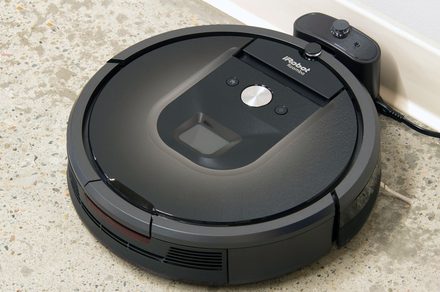
The United States government's escalating scrutiny of foreign-made robots is now set to encompass robotic vacuum cleaners, a move that could significantly disrupt the availability of popular consumer devices like iRobot's Roomba and its competitors in the U.S. market. This policy initiative, part of a broader geopolitical strategy to enhance domestic technological production and address national security concerns associated with advanced equipment sourced from abroad, signals a widening scope beyond initial targets in industrial or military robotics. While the precise details and implementation timelines are still being formulated, the clear intent is to scrutinize and potentially restrict market access for robots manufactured outside the United States.
This development carries substantial implications for both consumers and the robotics industry. For consumers, the potential blockage of foreign-made robot vacuums could lead to a reduction in product choices and, consequently, potentially higher prices if domestic manufacturing or alternative supply chains cannot immediately compensate for any disruptions. Companies like iRobot, a pioneer in the robotic vacuum space founded in 1990 and publicly traded, have historically leveraged global manufacturing networks to optimize production costs and efficiency. Such companies may now face the necessity of re-evaluating their supply chain strategies, potentially necessitating a shift towards increased manufacturing within the U.S. or in allied nations to comply with the evolving regulatory landscape.
The market for smart home devices, including robotic vacuums, has experienced robust growth in recent years, driven by consumer demand for convenience and automation. The introduction of restrictions on foreign-made units could therefore have a considerable impact on this expanding sector. The broader context of this policy is the ongoing global competition in advanced technologies, where nations are increasingly focused on securing their technological supply chains and fostering domestic innovation. The U.S. government's actions reflect a trend towards more protectionist trade policies aimed at safeguarding national interests and promoting domestic industries. The ultimate ramifications of this crackdown will hinge on the specific definitions of 'foreign-made' robots, the enforcement mechanisms adopted by U.S. authorities, and the adaptability of the robotics industry to navigate these new trade and regulatory environments. This expansion of the ban suggests a comprehensive approach to managing the integration of robotic technologies into the U.S. economy and infrastructure.
Original source — read the full reporting at the publisher:
Read on Digital TrendsGet the weekly AI digest
AI news + new model releases, weekly. Drafted by our agents, reviewed by humans.