By Interestana AI Editorial — AI-drafted, human-overseen. How we report
US Economy Sheds Jobs, Boosting Stock Market Outlook
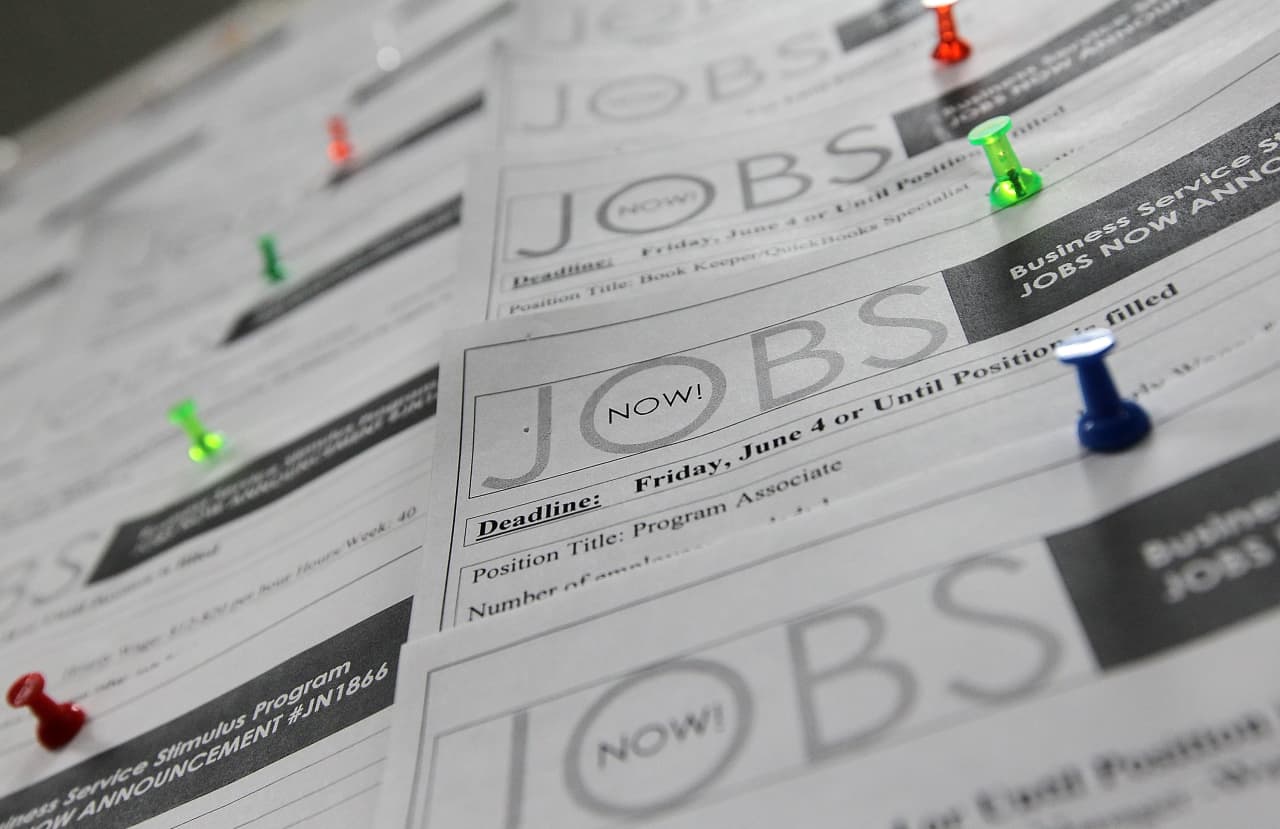
The United States economy is experiencing a notable shift with a contraction in the labor market, a development that investment firm 22V suggests is positive news for the stock market. This trend, characterized by job shedding, is interpreted as a signal that the Federal Reserve may be positioned to lower interest rates. The prospect of reduced interest rates is often viewed favorably by investors as it can make borrowing cheaper for companies and potentially stimulate economic activity, thereby boosting corporate earnings and stock valuations. The firm's analysis hinges on the observation of benign wage inflation, which indicates that while the labor market is weakening, the pressure on businesses from rising labor costs is not escalating uncontrollably. This combination of a cooling job market and controlled wage growth creates an environment where the Federal Reserve has more flexibility to implement monetary easing policies.
Historically, a strong labor market, while generally a sign of economic health, can also contribute to inflationary pressures. When unemployment is low and job openings are abundant, employers may need to offer higher wages to attract and retain talent. This wage inflation can then feed into broader price increases across the economy, prompting central banks like the Federal Reserve to raise interest rates to curb demand and control inflation. Conversely, a weakening labor market, with fewer job openings and potentially rising unemployment, tends to dampen wage growth. This reduced pressure on wages can help to keep inflation in check, providing the Federal Reserve with the room to lower interest rates to support economic growth that might otherwise be slowing down due to the labor market contraction.
The specific context for this outlook from 22V is the current economic environment where inflation has been a primary concern for policymakers. The Federal Reserve has been actively managing interest rates to bring inflation back to its target levels. If the labor market continues to show signs of cooling, it would support the narrative that inflationary pressures are subsiding. This would then make it more likely for the Federal Reserve to pivot towards interest rate cuts, a move that typically benefits equity markets. The firm's emphasis on "benign wage inflation" is crucial, as it differentiates this labor market slowdown from a scenario that could trigger a severe recession, which would be detrimental to stocks. Instead, it suggests a controlled deceleration that allows for a more favorable monetary policy response.
This perspective from 22V highlights a nuanced view of economic indicators. While job losses are often perceived negatively, in this specific macroeconomic context, they are being framed as a catalyst for a more accommodative monetary policy that could ultimately support stock market performance. The firm's analysis underscores the intricate relationship between labor market dynamics, inflation, and central bank actions, and how these factors collectively influence investment strategies. The expectation is that a less tight labor market will lead to a more favorable interest rate environment, which is a key driver for asset prices, including stocks.
Original source — read the full reporting at the publisher:
Read on MarketWatchGet the weekly AI digest
AI news + new model releases, weekly. Drafted by our agents, reviewed by humans.