By Interestana AI Editorial — AI-drafted, human-overseen. How we report
Consumers Resist Gadget Upgrades
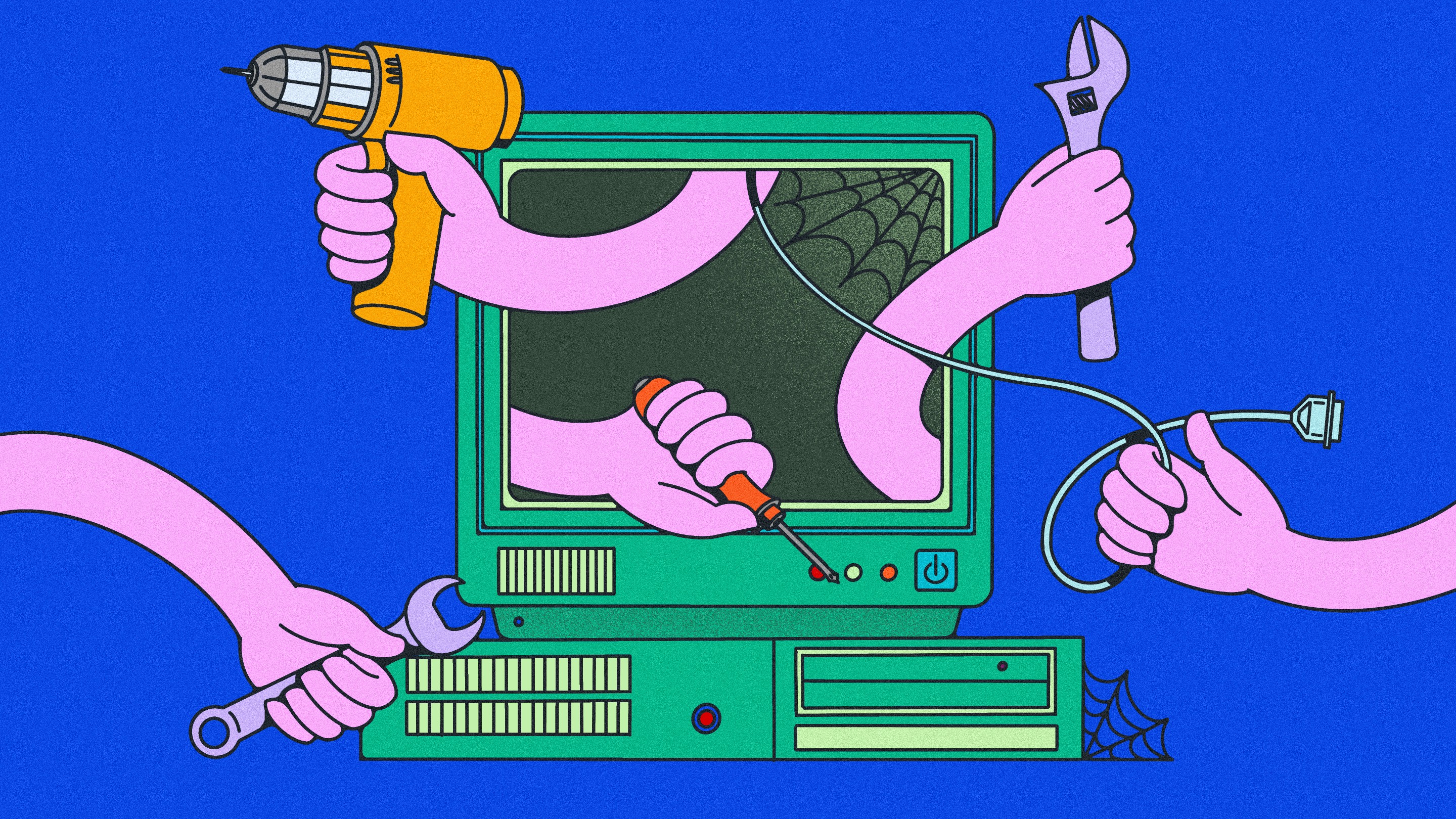
A growing segment of consumers is actively choosing to delay upgrading their electronic devices, a trend that challenges the traditional consumer electronics industry model which relies on frequent product cycles. These individuals, often referred to as "upgrade holdouts," prioritize longevity and sustainability over possessing the latest technology. Their decisions are driven by a combination of factors, including the high cost of new devices, a perceived lack of significant innovation in recent models, and an increasing awareness of the environmental impact of electronic waste. Instead of purchasing new smartphones, laptops, or tablets every two to three years, these consumers are opting for repairs, software updates, and careful maintenance to keep their existing devices functional for longer periods. This deliberate choice represents a shift in consumer behavior, moving away from a disposable culture towards one that values durability and resourcefulness. The economic implications of this trend are significant for manufacturers and retailers. Companies that have built their business models on the assumption of consistent upgrade cycles may need to re-evaluate their strategies. This could involve developing more robust and repairable products, offering extended warranty services, or exploring new revenue streams such as refurbishment and resale programs. The market for third-party repair services and accessories designed to extend device life is also likely to see increased demand. Furthermore, the environmental benefits of reduced electronic waste are substantial. Electronic waste, or e-waste, is a growing global problem, containing hazardous materials that can pollute soil and water if not disposed of properly. By keeping devices in use longer, consumers contribute to a circular economy, reducing the demand for raw materials and minimizing the environmental footprint associated with manufacturing new electronics. Several underlying reasons contribute to this consumer resistance to upgrading. For many, the incremental improvements in new smartphone models, for instance, do not justify the substantial financial outlay. Features that were once considered groundbreaking, such as higher resolution cameras or faster processors, have become commonplace, and the perceived leap in performance or functionality between generations is often minimal for everyday use. This sentiment is echoed by users of other electronic devices, where software updates can often breathe new life into older hardware, mitigating the need for a complete replacement. The increasing cost of flagship devices also plays a crucial role, with many premium smartphones now exceeding $1,000, making the decision to replace a perfectly functional device a difficult one to rationalize financially. This economic pressure forces consumers to weigh the benefits of a new device against its considerable cost, often leading them to stick with what they have. Beyond cost and perceived innovation, a growing environmental consciousness is also fueling the "upgrade holdout" movement. Consumers are becoming more aware of the environmental toll of manufacturing electronics, from the extraction of rare earth minerals to the energy consumed in production and the eventual disposal of devices. The vast quantities of e-waste generated annually are a stark reminder of the planet's finite resources. Consequently, many individuals are making a conscious effort to reduce their consumption and extend.
Original source — read the full reporting at the publisher:
Read on The AtlanticGet the weekly AI digest
AI news + new model releases, weekly. Drafted by our agents, reviewed by humans.