By Interestana AI Editorial — AI-drafted, human-overseen. How we report
US Industry Faces Innovation Challenge for Next 250 Years
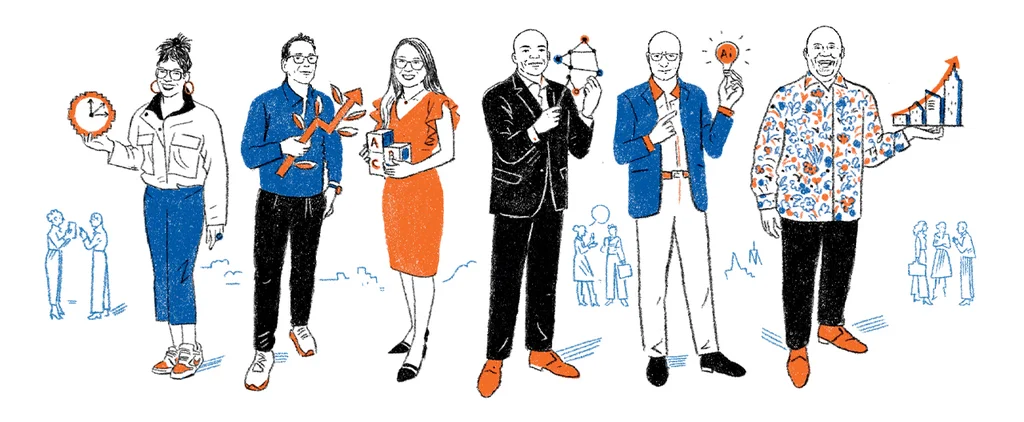
American industry, founded on a spirit of risk-taking that fueled innovations from the airplane to the microchip, faces the challenge of sustaining its culture of creativity and ingenuity for the next 250 years. This imperative was a central theme at the annual meeting of Fast Company's Impact Council, a collective of 300 executives from leading global businesses. The daylong workshop, held at Grace Farms in New Canaan, Connecticut, convened these leaders to assess America's present innovation landscape and future prospects, drawing parallels with the nation's 250-year history.
Participants engaged in panels and roundtables focused on critical topics such as the future of the American workforce and strategies for rebuilding the country's innovative capacity. Speakers were prompted to identify pressing challenges and emerging opportunities. A key insight shared by Ndidi Oteh, CEO of Accenture Song, highlighted a common misconception about innovation at scale: "Businesses must value innovation as much as they value the bottom line if they want it to drive growth. Innovation needs to be core to the business strategy." This perspective underscores the necessity of integrating innovation into fundamental business objectives rather than treating it as a secondary concern.
Phillip Haid, founder and CEO of Public, further elaborated on the complexities of scaling innovation, stating, "It’s really hard to scale innovation, and you need an ecosystem of partners and suppliers and funders. You also need timing, you need incredible people, and you need the right regulatory environment. I think we underplay how much is needed to innovate." This sentiment emphasizes that successful large-scale innovation is not solely dependent on a single entity but requires a supportive network of collaborators, financial backing, opportune timing, talented individuals, and a conducive regulatory framework. Haid's observation points to a systemic underestimation of the multifaceted requirements for fostering and expanding innovation.
Reflecting on the United States' position on the global innovation stage, Haid characterized the nation as a "startup" at 250 years old, suggesting that current national growing pains should be viewed within a long-term perspective. The discussion implicitly calls for a strategic approach that prioritizes sustained development and adaptability to ensure continued leadership in innovation. The overarching goal is to ensure that this innovative drive benefits society broadly, addressing concerns about equitable distribution and avoiding detrimental consequences for any segment of the population or the environment. The meeting aimed to foster dialogue and generate actionable insights for navigating the future of American industrial prowess and its role in global progress.
Original source — read the full reporting at the publisher:
Read on Fast CompanyGet the weekly AI digest
AI news + new model releases, weekly. Drafted by our agents, reviewed by humans.