By Interestana AI Editorial — AI-drafted, human-overseen. How we report
Trump's Press Relations Signal Future Confrontations
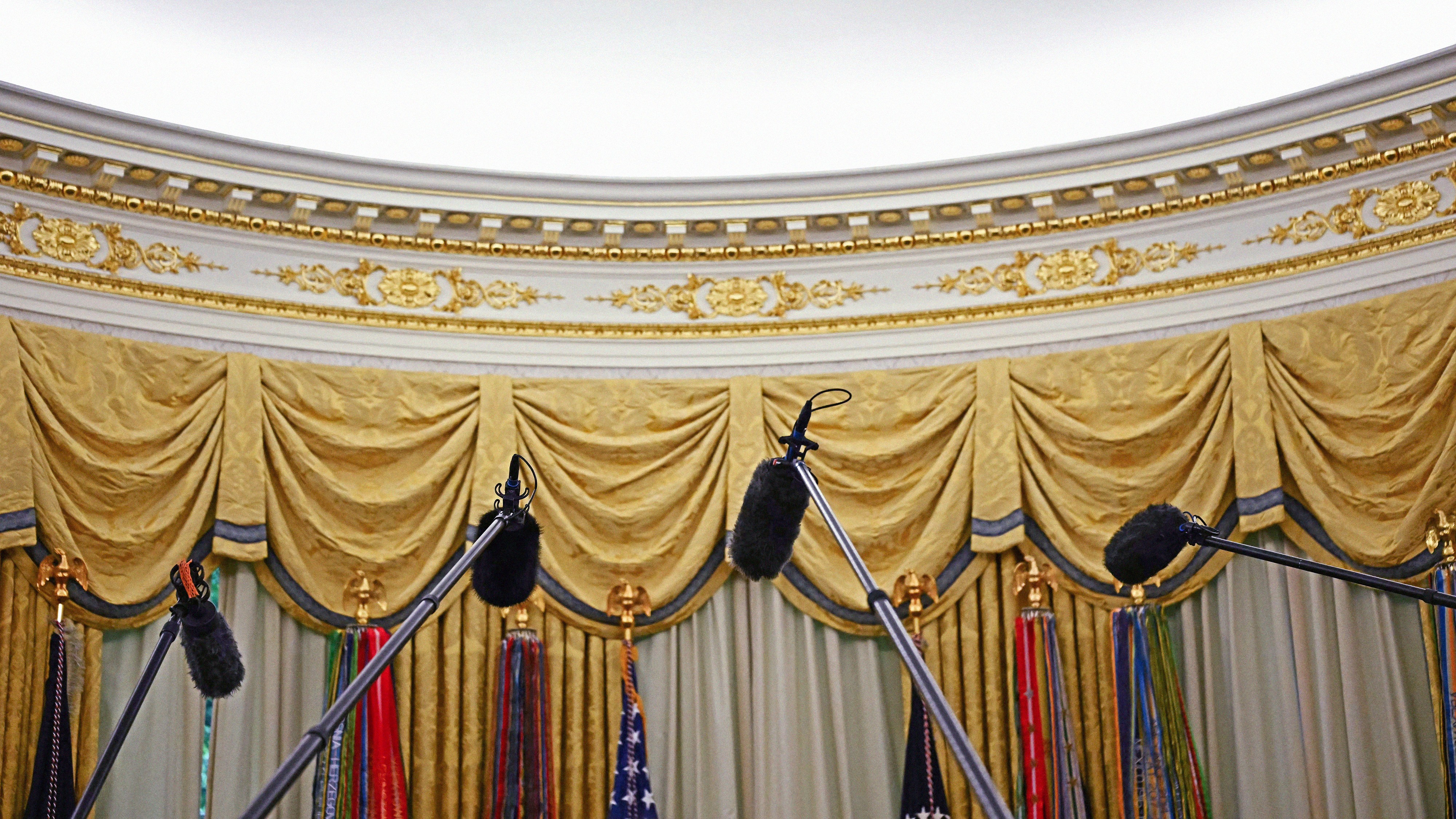
Donald Trump's recent interactions with members of the press indicate a preview of his future approach to media relations, characterized by strategic engagement and potential confrontation. This pattern suggests that any future political endeavors will likely involve a complex and often contentious relationship with news organizations. Trump's history demonstrates a tendency to leverage media attention, both positive and negative, to shape public perception and advance his political agenda. His past campaigns and presidency were marked by direct communication with supporters through rallies and social media, often bypassing traditional media gatekeepers. This approach allowed him to control the narrative and directly address his base, while simultaneously criticizing or discrediting news outlets he deemed unfair or biased.
The "kerfuffle" mentioned in the context of his recent press interactions likely refers to instances where Trump has publicly challenged journalists, questioned their reporting, or engaged in heated exchanges. These moments, often amplified by social media and cable news, serve to energize his supporters and draw attention to his grievances. This tactic can be seen as a deliberate strategy to frame the media as an adversary, thereby reinforcing his image as an outsider fighting against established institutions. Such a dynamic can mobilize a segment of the electorate that distrusts mainstream media and is receptive to alternative narratives.
Looking ahead, this approach is expected to continue. If Trump were to run for office again, his campaign would likely employ similar tactics. This would involve a dual strategy: utilizing friendly media platforms and social media to disseminate his message directly, while simultaneously engaging in public disputes with critical news organizations. These disputes could range from labeling specific outlets as "fake news" to issuing broad criticisms of the media's integrity. The goal would be to maintain a high level of media visibility, control the flow of information to his base, and delegitimize critical reporting.
The implications of this strategy extend beyond mere political rhetoric. It can influence public trust in journalism, potentially leading to a more polarized media landscape where individuals increasingly consume news that aligns with their pre-existing beliefs. This can create echo chambers, making it more difficult for objective reporting to penetrate and influence public opinion. Furthermore, such an environment can embolden politicians to engage in more aggressive tactics against the press, potentially impacting the free flow of information and the role of journalism in a democratic society. The "two-year temper tantrum" metaphor suggests a sustained period of such confrontational media engagement, implying a long-term strategy rather than isolated incidents.
Original source — read the full reporting at the publisher:
Read on The AtlanticGet the weekly AI digest
AI news + new model releases, weekly. Drafted by our agents, reviewed by humans.