By Interestana AI Editorial — AI-drafted, human-overseen. How we report
Treasury Market Warns Fed Chair Kevin Warsh on Rates
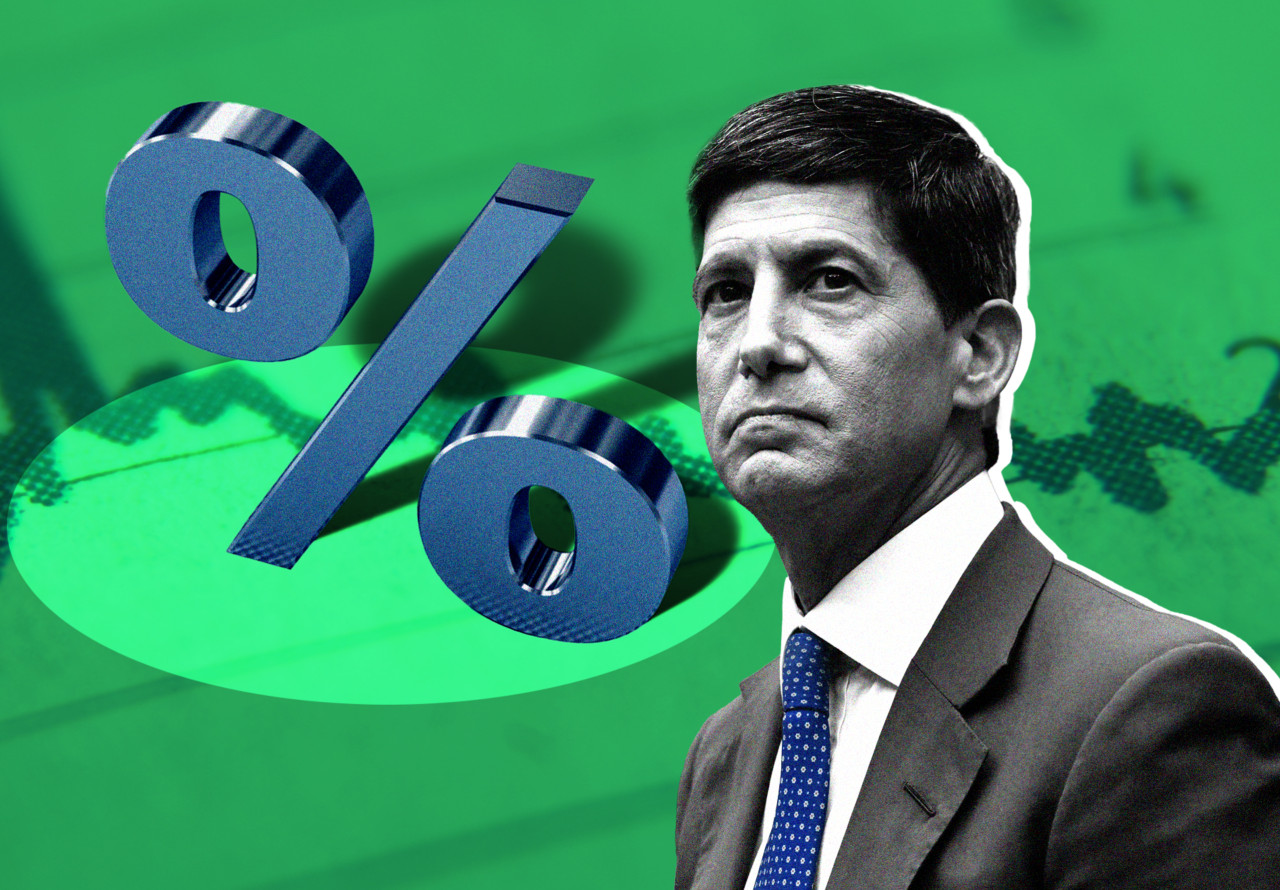
The U.S. Treasury market is conveying a strong message to Federal Reserve officials, including former Fed Governor Kevin Warsh, that it is "enormously worried" about persistent inflation and the central bank's resolve to address it. This concern is being manifested through rising Treasury yields, which reflect increased investor demand for compensation due to perceived inflation risks and the potential for prolonged higher interest rates. Warsh, speaking in a context that highlights market sentiment, indicated that the current market behavior suggests a lack of full confidence in the Federal Reserve's ability or willingness to bring inflation back to its 2% target without causing significant economic disruption.
The upward trend in Treasury yields, particularly for longer-dated maturities, implies that investors anticipate inflation to remain elevated for an extended period. This expectation forces the Federal Reserve into a difficult position: either maintain a hawkish stance with higher-for-longer interest rates, risking a recession, or pivot to easing monetary policy prematurely, which could reignite inflationary pressures. The market's reaction, as interpreted by Warsh, suggests a skepticism that the Fed can navigate this delicate balance successfully. The benchmark 10-year Treasury yield, a key indicator of borrowing costs for the U.S. government and a benchmark for many other financial products, has been closely watched for signs of market stress and inflation expectations.
Warsh's commentary underscores a critical dynamic in monetary policy: the interplay between central bank pronouncements and market expectations. When market participants believe the central bank's actions will not be sufficient to achieve its stated goals, they adjust their behavior accordingly, often by demanding higher yields on debt instruments. This can create a self-fulfilling prophecy, where market-driven increases in borrowing costs can themselves contribute to economic slowdown or even recession, regardless of the Fed's ultimate policy decisions. The current environment, characterized by sticky inflation and a robust labor market, presents a complex challenge for the Federal Reserve, which has been attempting to signal its commitment to price stability while also aiming for a "soft landing" for the economy.
The implications of this market warning are significant for the Federal Reserve's future policy path. If Treasury yields continue to climb, they could exert additional downward pressure on asset prices and further tighten financial conditions, potentially forcing the Fed's hand. Conversely, if the Fed signals a stronger commitment to fighting inflation, even at the cost of higher yields and slower growth, it might reassure markets in the long run but could lead to short-term volatility. The former Fed Governor's remarks serve as a reminder that the Federal Reserve operates not in a vacuum, but within a dynamic financial ecosystem where market sentiment plays a crucial role in shaping economic outcomes and influencing policy decisions.
Original source — read the full reporting at the publisher:
Read on MarketWatchGet the weekly AI digest
AI news + new model releases, weekly. Drafted by our agents, reviewed by humans.