By Interestana AI Editorial — AI-drafted, human-overseen. How we report
Tradwife Debate Reflects Women's Search for Control
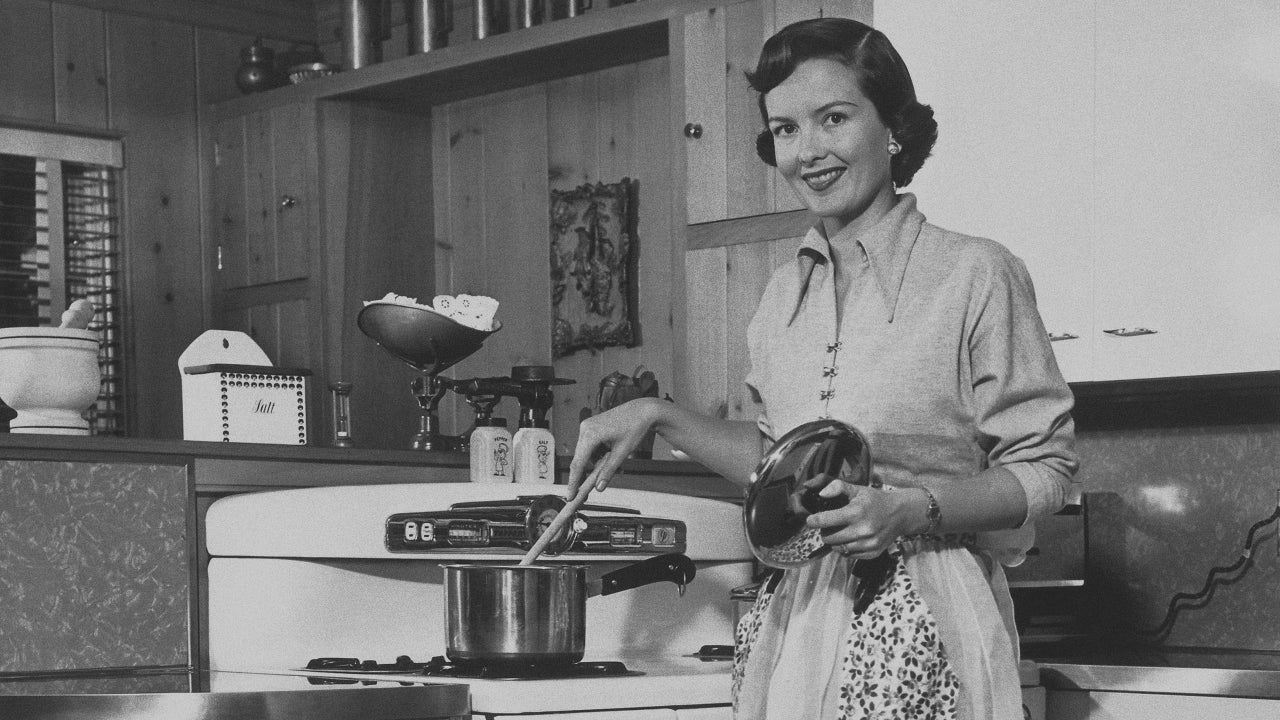
The contemporary "tradwife" phenomenon, characterized by influencers showcasing domestic activities like baking and homemaking, has emerged as a cultural counterpoint to the "girlboss" archetype, which emphasizes constant professional achievement and often leads to burnout. This trend has sparked debate, prompting inquiry into whether it represents a genuine lifestyle choice or a broader societal commentary on women's roles and aspirations. Research indicates that the public discourse often frames the tradwife movement as a debate over personal empowerment versus oppression, focusing on the perceived merits of embracing traditional domesticity. However, a deeper analysis suggests that the underlying concern driving women towards this aesthetic is a fundamental search for control over their lives.
Modern women have grown up in an era where dual-income households are the standard, yet the expectations for managing domestic responsibilities have not significantly diminished. Instead, women often find themselves disproportionately shouldering the burden of household labor while simultaneously navigating demanding careers. This intensified workload, coupled with the persistent "second shift" of unpaid domestic and caregiving duties, contributes to widespread burnout. The tradwife image has gained traction precisely during a period when inflexible workplace structures exacerbate these challenges, pushing women out of the workforce. A primary reason cited for women leaving their careers before reaching leadership roles is the difficulty in balancing caregiving responsibilities with work, largely due to the rigidity of current employment models.
The tradwife aesthetic appears to be less an expression of nostalgia for a bygone era and more a reflection of disillusionment with the current structure of modern work. The very influencers associated with promoting the tradwife lifestyle are often working women themselves, who monetize their domestic content through filming, branding, and online platforms. This highlights the complex reality that the "opt-out" narrative is often intertwined with entrepreneurial endeavors within the domestic sphere. The perceived dichotomy between "tradwives" and "girlbosses" is therefore complicated, as many women engaging with the tradwife aesthetic are actively participating in the digital economy, leveraging their domestic image for income.
This trend can be viewed as a response to the systemic pressures faced by women attempting to reconcile professional ambitions with domestic realities. The intense demands of modern employment, often characterized by long hours and limited flexibility, clash with the enduring societal expectations of women as primary caregivers and household managers. The tradwife movement, in this context, can be interpreted as a collective expression of a desire for agency and autonomy, a reclaiming of time and energy that is often consumed by the dual demands of paid labor and unpaid domestic work. It signifies a search for a more manageable and controlled existence, where personal well-being and a sense of mastery over one's environment are prioritized over the relentless pursuit of external validation through career advancement alone. The debate, therefore, transcends mere lifestyle preferences, touching upon fundamental issues of work-life balance, societal expectations, and women's autonomy in shaping their own lives.
Original source — read the full reporting at the publisher:
Read on Fast CompanyGet the weekly AI digest
AI news + new model releases, weekly. Drafted by our agents, reviewed by humans.