By Interestana AI Editorial — AI-drafted, human-overseen. How we report
Maine Town Votes Against Data Center Ban
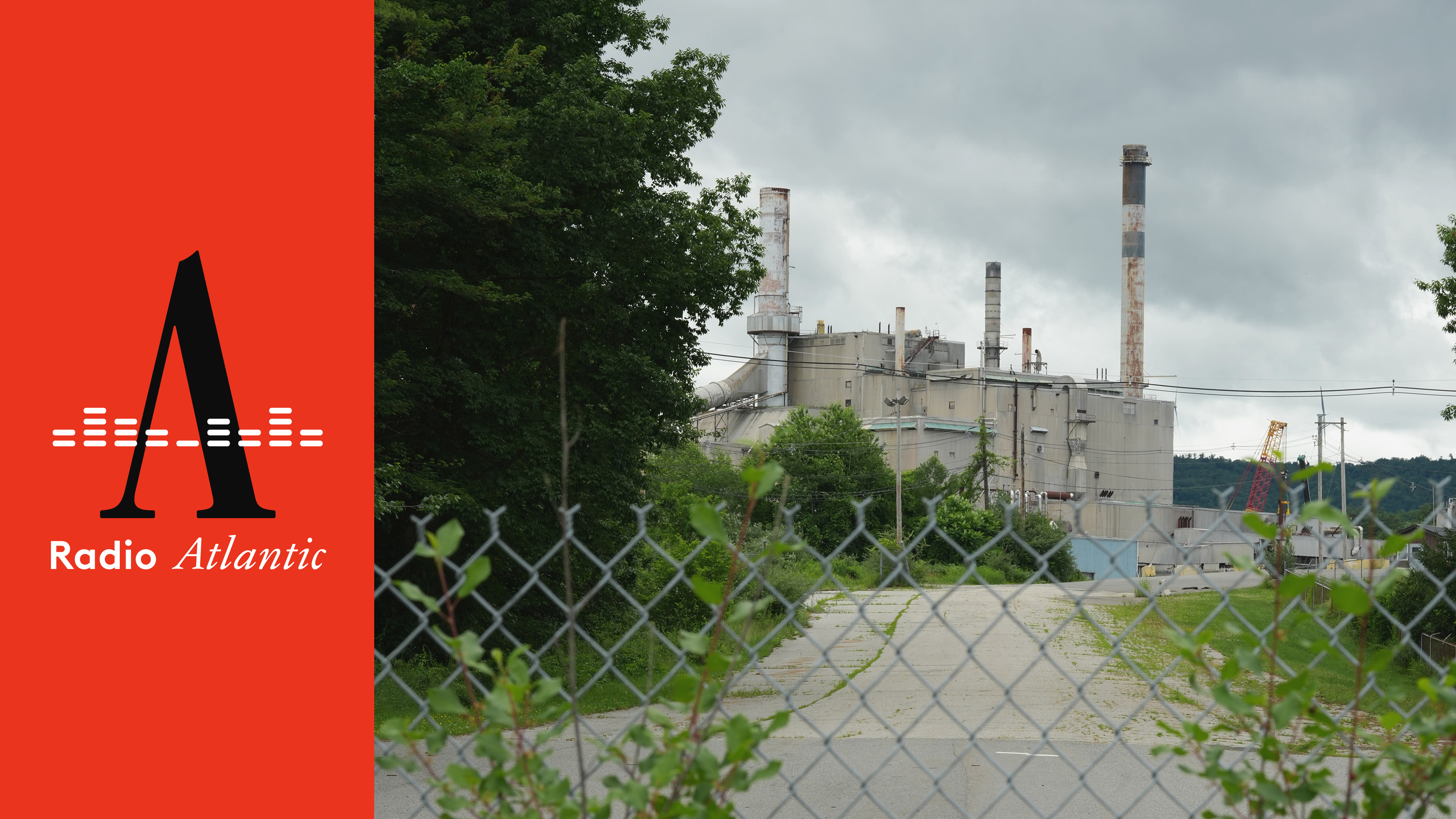
The town of Hampden, Maine, voted against a proposed moratorium on data center development on Tuesday, allowing a significant data center project to move forward. This decision came as a surprise, given that the Maine legislature was considering a statewide ban on new data centers due to concerns about their energy consumption and environmental impact. The Hampden vote, which passed by a narrow margin of 157 to 150, means that the proposed data center by the company Crossroad Data Centers can proceed with its plans.
Crossroad Data Centers aims to build a 100-megawatt facility in Hampden, a project that has been met with both support and opposition. Proponents, including the company and some local residents, highlight the potential economic benefits, such as job creation and increased tax revenue for the town. Supporters argue that the data center will bring much-needed investment and employment opportunities to the region. However, opponents have raised serious concerns about the environmental footprint of such facilities, particularly their substantial electricity demands and the potential strain on Maine's power grid. The debate in Hampden reflects a broader national conversation about the rapid growth of data centers and their sustainability.
Maine's legislative efforts to ban data centers underscore the growing unease among policymakers and environmental advocates. A bill was introduced in the Maine House of Representatives that would have imposed a two-year moratorium on the construction of new data centers, with the aim of studying their impact and developing regulations. This statewide initiative reflects a growing trend of scrutiny towards the technology sector's environmental impact. Data centers, which house the servers and networking equipment that power the internet and cloud computing services, are known for their high energy consumption, often requiring dedicated power substations and significant cooling systems. The proposed ban in Maine was partly a response to the increasing number of data center proposals in the state and the potential for them to consume a disproportionate amount of the state's energy resources.
The outcome in Hampden presents a localized counterpoint to the statewide legislative push. While the town's decision allows the Crossroad Data Centers project to continue, it does not resolve the larger environmental and energy concerns that prompted the legislative action. The debate over data centers in Maine, and indeed across the country, is likely to intensify as the demand for digital services continues to grow, necessitating a careful balance between technological advancement and environmental stewardship. The Hampden vote serves as a case study in how local governance can diverge from broader state-level policy discussions, particularly when significant economic incentives are involved.
Original source — read the full reporting at the publisher:
Read on The AtlanticGet the weekly AI digest
AI news + new model releases, weekly. Drafted by our agents, reviewed by humans.