Smart People Can Make Terrible Decisions
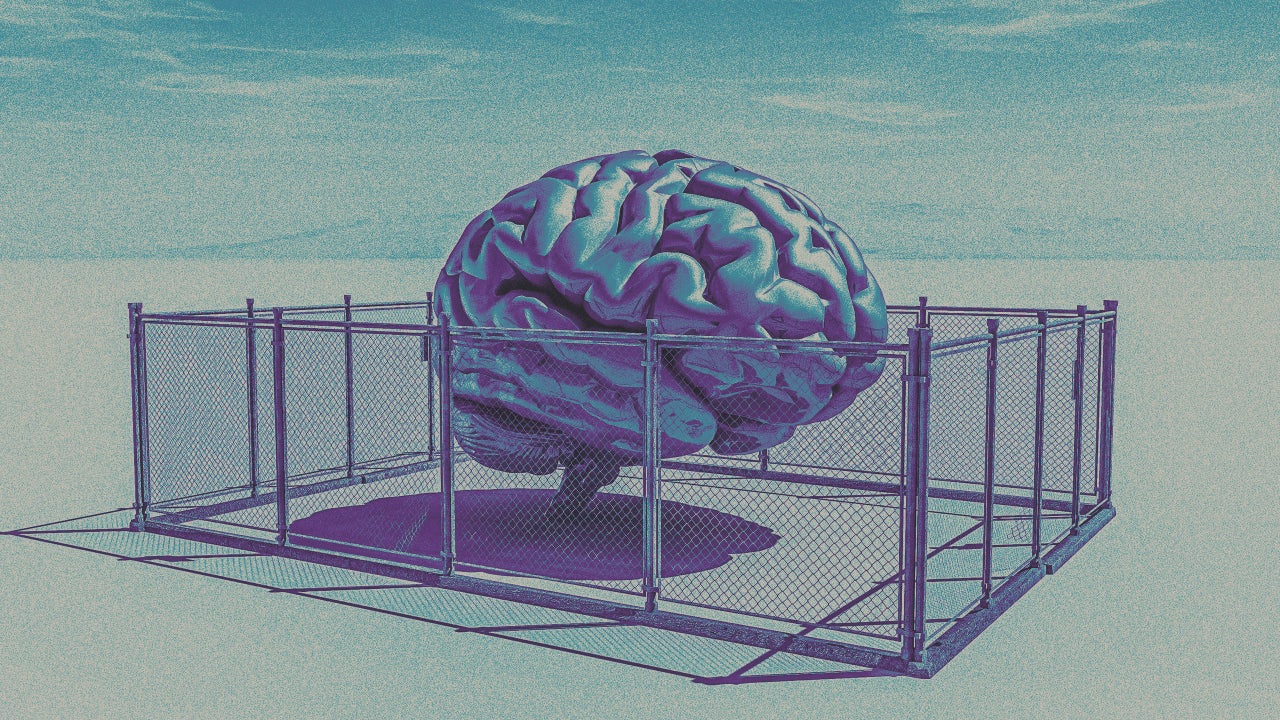
Intelligence, while a powerful asset, can paradoxically lead individuals to make poor decisions, particularly when they become adept at justifying their existing beliefs. Theoretical physicist Richard Feynman highlighted this phenomenon, stating, "The first principle is that you must not fool yourself and you are the easiest person to fool." He observed brilliant colleagues constructing logical arguments for nonsensical conclusions. Educational systems and institutions often reward individuals for constructing strong arguments and defending their positions, rather than for recognizing potential errors or embracing doubt. This training can lead highly intelligent people to excel at justification over critical self-assessment.
When faced with a decision, such as investing in a particular stock or pursuing a business plan, intelligent individuals may not actively seek out flaws in their chosen course of action. Instead, their cognitive abilities are employed to reinforce a pre-existing conclusion. Psychologists refer to this as motivated reasoning. Research indicates that individuals with higher cognitive abilities exhibit stronger biases when confronted with information that challenges their political views, personal identity, or ego. In essence, their intelligence functions as a defense mechanism, meticulously constructing arguments to support a desired outcome, even if that outcome is based on flawed premises or emotional desires.
This tendency contributes to domain-specific blindness, where expertise in one area does not prevent poor judgment in another. For example, an expert chess player might still make financially unsound decisions. The core issue lies in the misapplication of reasoning skills. Instead of employing logic to discover truth, motivated reasoning uses logic to defend a predetermined belief. This can result in individuals, despite their intellectual prowess, becoming highly effective at rationalizing irrational choices, making them susceptible to significant errors in judgment that can impact personal relationships and professional endeavors.
Original source — read the full reporting at the publisher:
Read on Fast Company