Supreme Court Ruling Politicizes Everyday Life
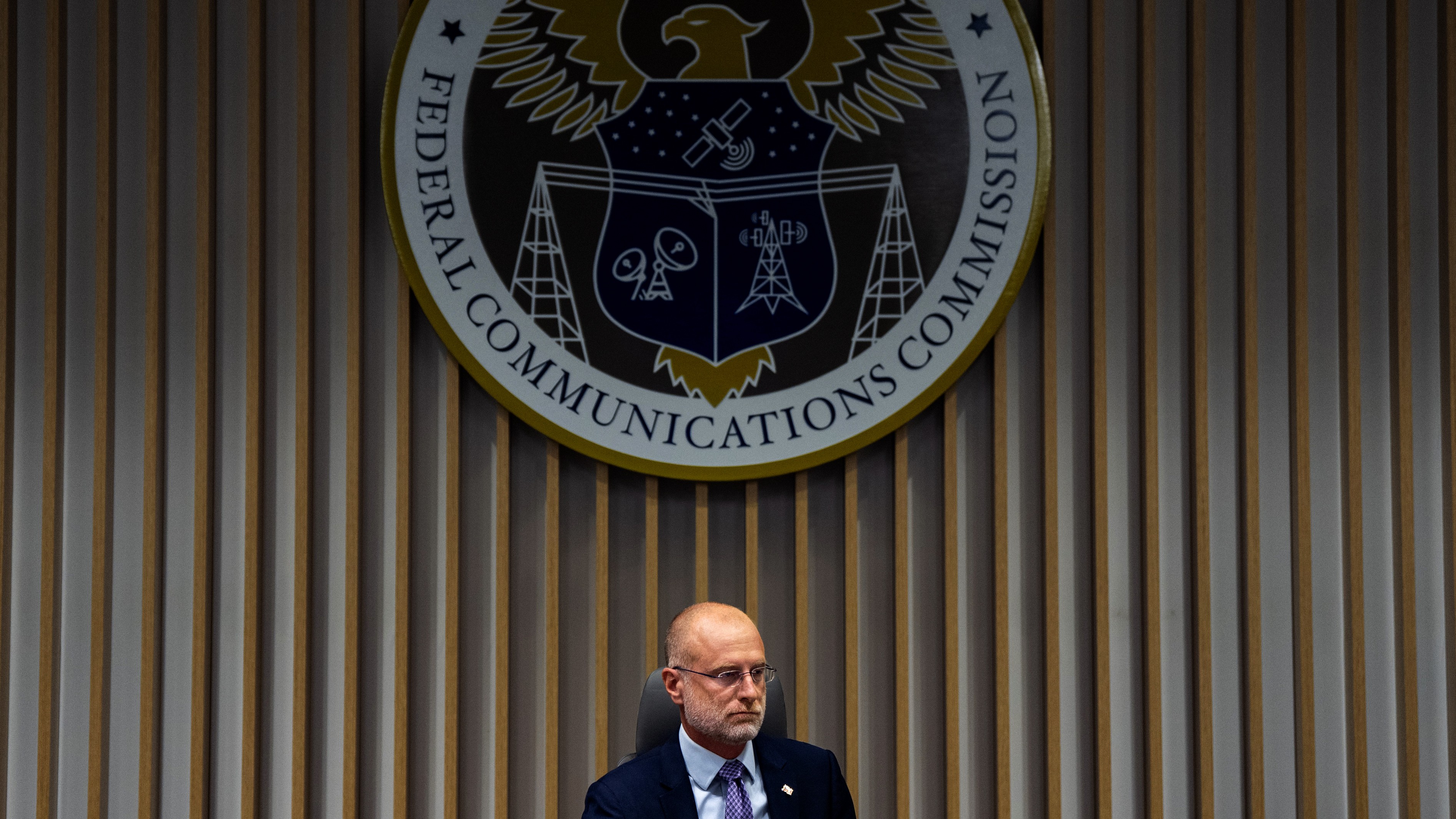
The Supreme Court's ruling in Trump v. Slaughter on June 27, 2024, has been characterized as a decision that further politicizes everyday life by expanding executive control. This ruling is not solely about the scope of executive authority but also about the government's capacity to exert partisan influence over a broader range of activities and decisions that affect Americans on a daily basis. The decision's implications extend beyond the immediate legal context, suggesting a trend towards increased government involvement in areas previously considered less politically charged.
The case, which involved challenges to executive actions, has been interpreted by some legal analysts as a significant shift in the balance of power between branches of government. The expansion of executive control, as facilitated by this ruling, could lead to more policy decisions being made through executive orders or agency directives rather than through the traditional legislative process. This can result in faster policy changes but also potentially less public debate and oversight, thereby increasing the politicization of issues that directly impact citizens' lives, from regulatory changes to administrative policies.
Legal scholars and commentators have expressed concerns that such an expansion of executive power, particularly when seen through a partisan lens, could lead to a less stable and predictable policy environment. The ability of a single administration to enact significant changes without robust legislative consensus might foster greater division and make it harder for individuals and businesses to plan for the future. The ruling's emphasis on executive prerogative, therefore, is seen as a mechanism that could embed partisan agendas more deeply into the fabric of governance and public life.
Original source — read the full reporting at the publisher:
Read on The Atlantic