By Interestana AI Editorial — AI-drafted, human-overseen. How we report
Supreme Court Allows Trump's $400 Million White House Ballroom Project to Proceed Amid Legal Challenges
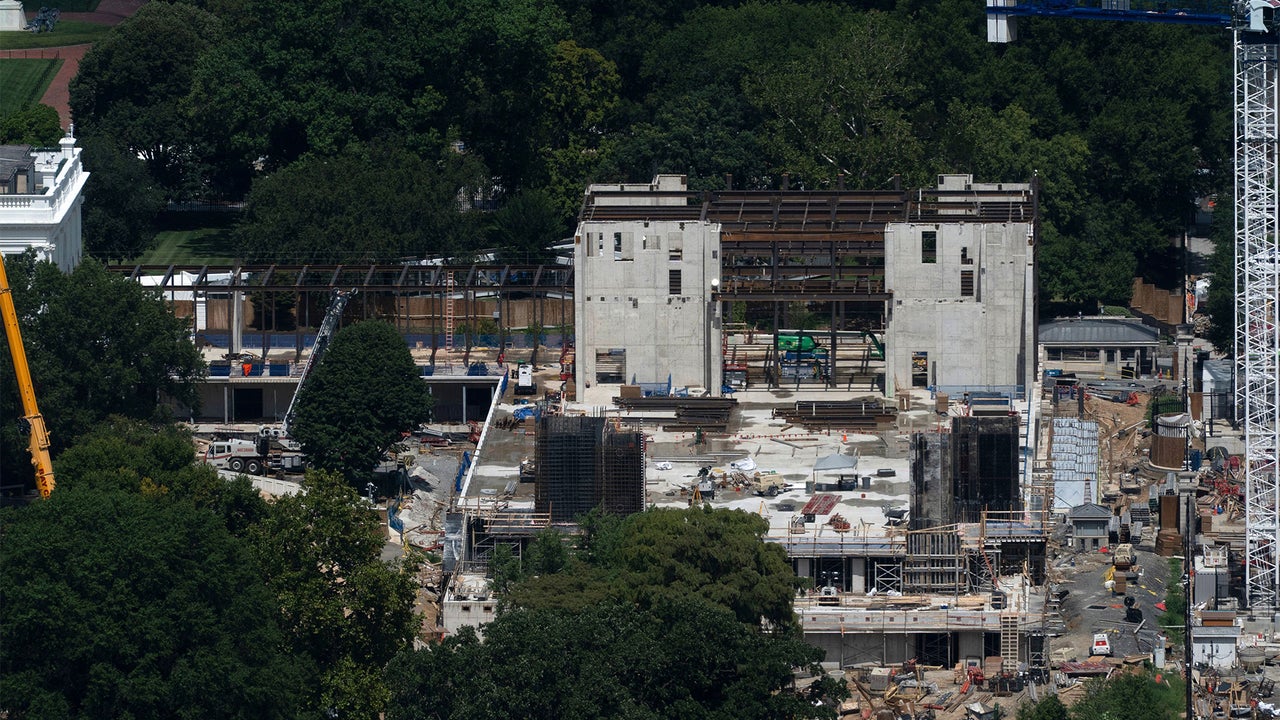
In a significant development for President Donald Trump's executive agenda, the Supreme Court on Monday permitted the White House to resume construction on a $400 million ballroom project. This decision allows the project to move forward while ongoing lawsuits challenging its legality are adjudicated, marking a victory for the Trump administration's assertive use of executive power. The ruling effectively replaces a temporary order that had been issued earlier in the month, narrowly averting a court-ordered halt that was slated to take effect imminently. This temporary injunction had been granted by Chief Justice John Roberts, who, as the justice assigned to handle appeals from the District of Columbia Circuit, was responsible for the case. However, Chief Justice Roberts publicly expressed his disagreement with the majority's latest decision, authoring a strong dissent. In his written opinion, Roberts argued that the project is "likely unlawful" due to the absence of congressional approval, a critical component for such significant federal undertakings. He concluded that the court's ruling "is no victory for the separation of powers," a principle central to the American governmental system. The three liberal-leaning justices on the Supreme Court concurred with Roberts' dissenting opinion, highlighting a clear ideological divide on the bench regarding this matter. The majority, in an unsigned order, found that the National Trust for Historic Preservation, the organization challenging the project, likely lacked the requisite legal standing to bring the lawsuit. The majority's order emphasized the government's arguments that the ballroom complex would serve national security interests. These justifications included providing a more secure venue for large-scale events than the temporary tents currently utilized, and importantly, shielding a planned underground military installation. In stark contrast, the majority characterized the harm claimed by the National Trust for Historic Preservation as primarily aesthetic, stemming from the "offense" a member might experience from viewing the "scale," "height," and "massing" of the proposed structure. President Trump reacted positively to the news, taking to social media to announce his satisfaction. He stated, "I am pleased to report that the United States Supreme Court has just ruled in favor of the Ballroom/Military Complex being built without any further contingency, doubt, or threat." It is crucial to note that the Supreme Court's order did not constitute a definitive ruling on the ultimate legality of the ballroom project itself. The case will now be remanded to lower courts for further proceedings. However, court documents reveal a rapid timeline for the project, with key portions potentially being completed within months, a pace considerably faster than typical legal disputes. Brent Leggs, the president and CEO of the National Trust for Historic Preservation, expressed his organization's profound disappointment with the Supreme Court's decision.
Original source — read the full reporting at the publisher:
Read on Fast CompanyGet the weekly AI digest
AI news + new model releases, weekly. Drafted by our agents, reviewed by humans.