By Interestana AI Editorial — AI-drafted, human-overseen. How we report
AI Food Images Go Viral, Experts Warn of Sophistication
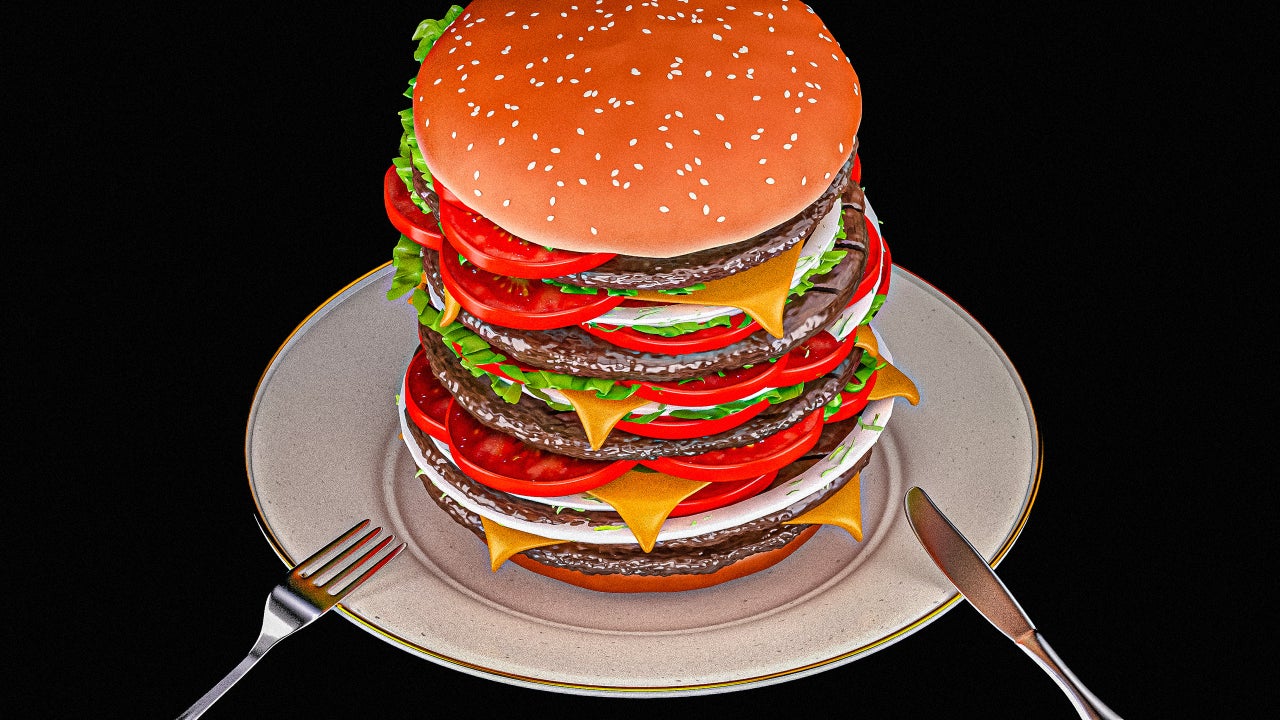
Viral images of AI-generated food, frequently characterized by their unappetizing and uncanny appearance, have been circulating online, prompting discussions about the technology's capabilities and future implications. Examples of these unusual food depictions include incomprehensibly rendered chicken thighs, burritos clustered like a hive, and bizarrely circular shrimp. While the unappetizing nature of these images allows viewers to readily identify them as AI-generated, experts suggest this ability to distinguish may soon diminish as AI image generation technology advances.
Ahmed Elgammal, a professor of computer science at Rutgers University-New Brunswick, explains that current off-the-shelf AI image generators often employ a stable diffusion model. This model compresses images to conserve computing power, essentially generating a small image that is later enlarged and filled with details. This process can lead to inaccuracies and unnatural appearances, particularly with complex textures and arrangements found in food. Elgammal notes that the AI "is actually generating a very, very small tiny image and then you’re blowing it up later and trying to fill in the details." This method struggles with the inherent randomness and varied details of food items, such as the uneven sauce distribution and texture of pasta.
The food styling and photography industry, particularly outside of high-end productions, has already seen significant AI permeation. As AI image generators become more adept at overcoming their current limitations in rendering food accurately, their sophistication is expected to increase dramatically. This progression suggests a future where AI-generated food imagery could become commonplace and indistinguishable from real food photography. The uncanny nature of current AI food images, while providing a clear marker of artificiality, is a temporary characteristic that is rapidly evolving. The ability to discern AI-generated food visuals is becoming more challenging as the technology improves its ability to replicate the complex visual characteristics of real food.
The proliferation of these AI-generated food images, even in their current imperfect state, highlights the rapid advancements in generative AI. The initial comfort derived from easily identifying these images as artificial is being replaced by a growing awareness of AI's increasing proficiency. This trend poses significant questions for the food industry, marketing, and consumers alike, as the line between authentic and AI-created visual content blurs. The ongoing development in AI image generation suggests that the unappetizing "slop" of today may evolve into highly convincing, yet entirely artificial, culinary visuals of tomorrow, potentially reshaping how food is presented and perceived.
Original source — read the full reporting at the publisher:
Read on Fast CompanyGet the weekly AI digest
AI news + new model releases, weekly. Drafted by our agents, reviewed by humans.