By Interestana AI Editorial — AI-drafted, human-overseen. How we report
Guano Trade Shaped US Empire and Global Agriculture
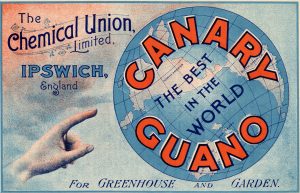
The strategic importance of nutrients for crop production, currently underscored by disruptions to fertilizer access through the Strait of Hormuz, has historical precedents dating back to the 19th century with the global trade in seabird guano. This excrement, rich in nitrogen and phosphorus, served as the first major fertilizer commodity, transforming agricultural productivity during a period of rising global populations and industrialization that strained traditional farming methods. The reliance on guano illustrates how access to essential agricultural inputs has long been intertwined with geopolitical considerations and the expansion of imperial power, a dynamic that continues to influence global food security.
During the 19th and early 20th centuries, fertilizer companies transported millions of tons of dried guano from islands in the Pacific and Caribbean to farms in Europe and North America. This influx of nutrients dramatically boosted crop yields, enabling agriculture to meet the escalating demands of expanding populations and industrializing societies. Prior to the widespread adoption of synthetic fertilizers, farmers primarily sustained soil fertility through the recycling of locally sourced nutrients, such as animal manure, crop residues, and human waste, operating within largely closed ecological systems. The advent of guano as a global commodity marked a significant shift towards external nutrient inputs and large-scale agricultural commerce.
The demand for guano spurred exploration and exploitation of remote islands, leading to the establishment of US overseas territories. The United States enacted legislation, such as the Guano Islands Act of 1856, to claim and govern islands deemed to contain valuable guano deposits. This law, still in effect, provided a legal framework for the US to assert jurisdiction over uninhabited islands, facilitating the extraction and shipment of guano and contributing to the expansion of American influence and territorial claims in the Pacific and Caribbean. The pursuit of this "bird rock gold" was instrumental in shaping US foreign policy and its early engagement in overseas expansion, driven by the economic imperative of securing vital agricultural resources.
The historical reliance on guano also reveals the often-overlooked social and environmental costs associated with modern food production. The extraction of guano frequently involved brutal labor conditions, with workers, often indentured or enslaved individuals, subjected to harsh environments and dangerous mining practices. Furthermore, the drive to secure these resources contributed to imperial ambitions and the subjugation of indigenous populations on islands rich in guano deposits. The legacy of guano highlights that the quest for agricultural inputs has consistently been linked to complex issues of labor exploitation, resource control, and geopolitical maneuvering, underscoring a recurring pattern in the history of global food systems and international relations.
Original source — read the full reporting at the publisher:
Read on FortuneGet the weekly AI digest
AI news + new model releases, weekly. Drafted by our agents, reviewed by humans.