By Interestana AI Editorial — AI-drafted, human-overseen. How we report
Strait of Hormuz Crisis Rewrites Asia's Energy Playbook
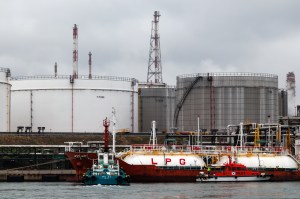
The Iran war highlighted the critical vulnerability of the Strait of Hormuz, a narrow 20-mile-wide waterway through which a significant portion of Middle East oil and gas exports transit. Following U.S. strikes on Iran, the latter threatened to impede shipping in the Strait, a move that prompted immediate reactions from Asian nations. Countries across the region implemented export bans, reduced import duties, and initiated fuel rationing measures to safeguard their energy supplies. Six months after the conflict's commencement, widespread disruptions such as extreme price hikes, extensive queues at gas stations, power outages, and flight cancellations have largely been averted. This resilience is attributed to increased production levels and substantial existing stockpiles, which mitigated the immediate impact of potential supply disruptions. Iran announced a new revenue-sharing agreement concerning the waterway on a Wednesday, though a military spokesperson attributed the "obstruction" of this process to the U.S. The crisis served as a stark reminder of how easily Iran could disrupt, and potentially continue to disrupt, global energy flows through this vital chokepoint. This realization is now compelling governments to accelerate efforts to diversify their energy sources. With the prospect of a near-term U.S.-Iran deal appearing unlikely and Iran's control over the Strait seemingly secure for the foreseeable future, the strategies that protected the global oil market in the first half of the year may prove insufficient for the latter half. Saul Kavonic, head of energy research at MST Financial, emphasized that "Global oil and gas supply is still a major point of geopolitical leverage." He further noted that "the global economy is still very reliant on oil and gas" despite advancements in alternative and green technologies, making it susceptible to "hostile actors" seeking to leverage it for "geopolitical ends." Prior to the recent conflict, approximately one-fifth of the world's oil trade passed through the Strait of Hormuz, situated between Iran and Oman. A substantial majority, over 80%, of this oil cargo was destined for Asian markets, with China, India, Japan, and South Korea being the primary recipients. The crisis has underscored the need for robust contingency planning and long-term strategic shifts in energy procurement and infrastructure to reduce reliance on single chokepoints. This includes exploring alternative shipping routes, increasing investment in domestic energy production where feasible, and further developing renewable energy sources to lessen dependence on fossil fuels transported through volatile regions. The geopolitical implications of energy security have been brought to the forefront, prompting a reassessment of international energy policies and alliances.
Original source — read the full reporting at the publisher:
Read on FortuneGet the weekly AI digest
AI news + new model releases, weekly. Drafted by our agents, reviewed by humans.