By Interestana AI Editorial — AI-drafted, human-overseen. How we report
Gol Airlines Launches New York Flights, Expands Long-Haul Routes
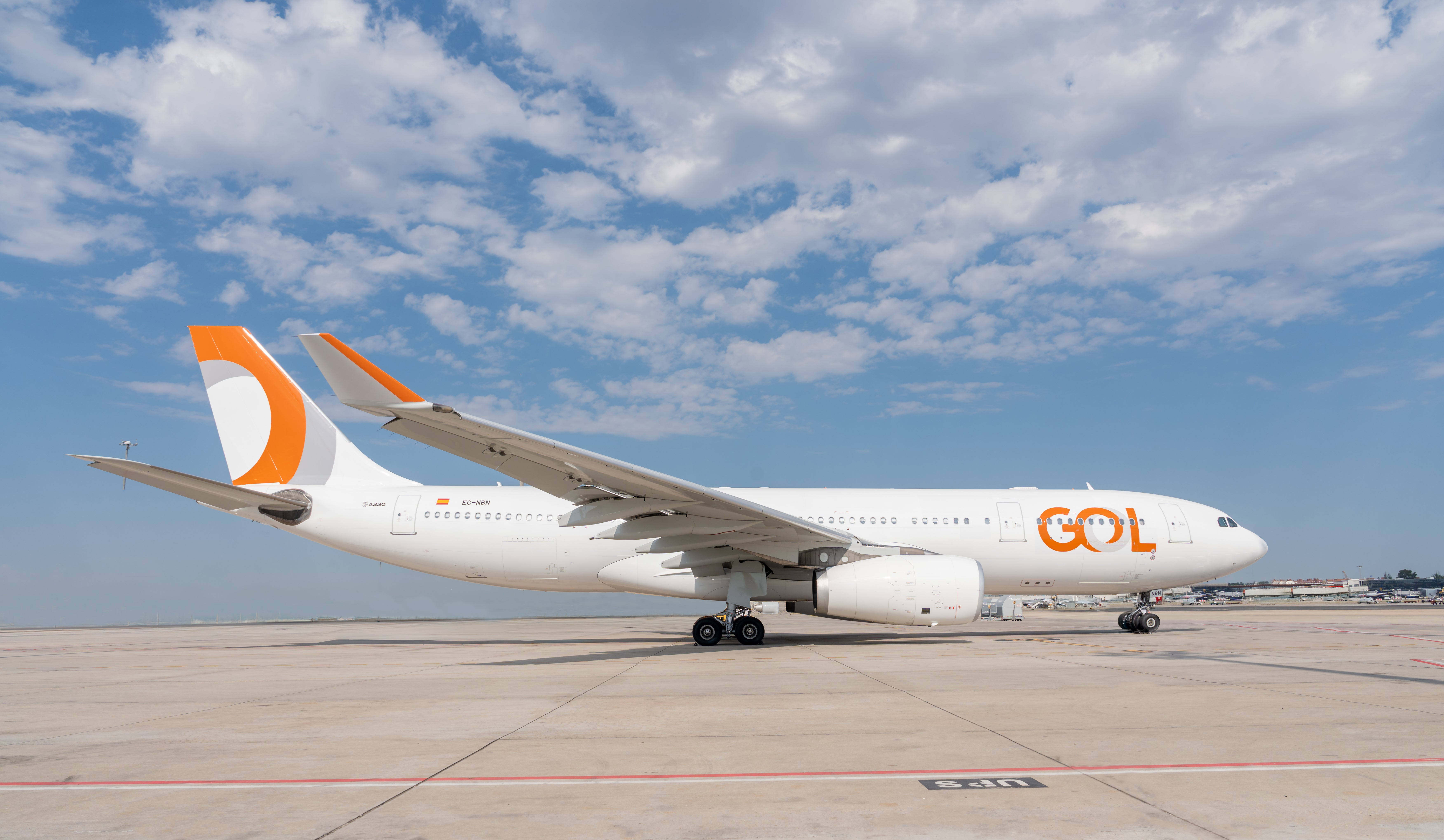
Brazilian airline Gol launched its inaugural flights to New York's John F. Kennedy International Airport (JFK) earlier this month, marking a significant expansion into long-haul international travel. The carrier initiated three weekly flights from its hub at Rio de Janeiro's Galeao International Airport (GIG) to JFK. This move signifies a new strategic direction for Gol, which is aiming for a more premium offering for its customers, according to CEO Celso Ferrer. The airline plans to introduce five twin-aisle Airbus A330-900 aircraft into its fleet this year and will launch four new intercontinental routes. These include flights from GIG to Lisbon Airport (LIS) starting in September, and routes to Orlando International Airport (MCO) and Paris-Charles de Gaulle Airport (CDG) by the end of the year. Initially, these long-haul flights will be operated by Wamos Air on behalf of Gol, with Gol expecting delivery of its first A330-900 around the end of 2024. Gol, often referred to as the "Southwest Airlines of Brazil," has historically operated a fleet of Boeing 737 aircraft, focusing on low fares and no-frills service. This expansion into wide-body aircraft and premium routes represents a substantial shift from its established business model. Gol, which is part of the South American airline group Abra alongside Colombia's Avianca, intends to leverage its existing customer base, the reach of its Smiles loyalty program, and its partnership with American Airlines to support growth on these new U.S. routes. Gol already serves Miami International Airport (MIA) and MCO with Boeing 737s from various Brazilian gateways, but the new A330 aircraft enable longer routes, such as the new service from Rio to JFK and MCO.
Original source — read the full reporting at the publisher:
Read on The Points GuyGet the weekly AI digest
AI news + new model releases, weekly. Drafted by our agents, reviewed by humans.