By Interestana AI Editorial — AI-drafted, human-overseen. How we report
Peanut Allergy Prevention Advice Followed by Parents
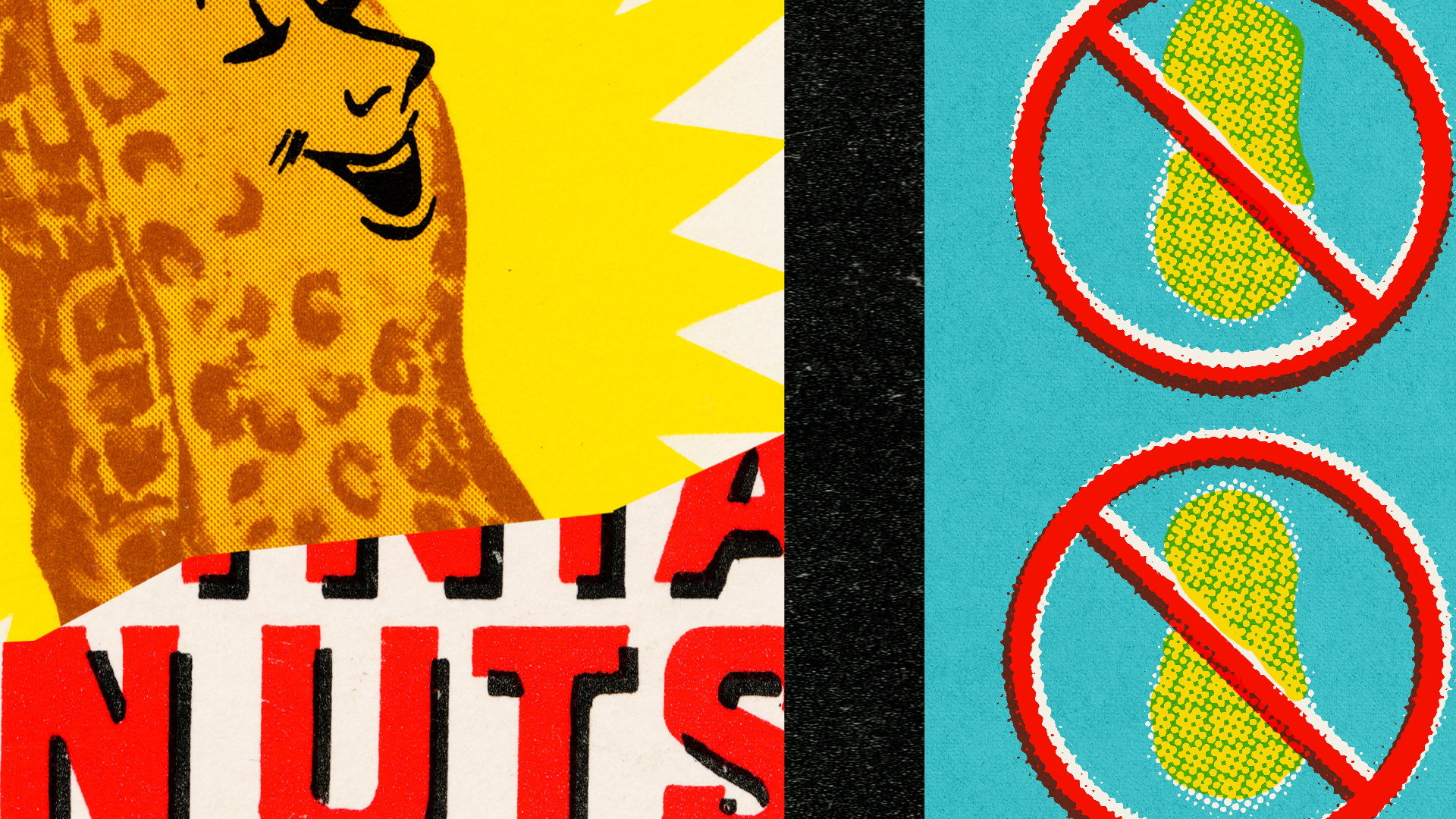
Pediatricians' updated guidance on the early introduction of peanuts to infants for allergy prevention has been widely adopted by parents, according to a recent analysis. This contrasts sharply with the persistent challenges and resistance encountered regarding childhood vaccination recommendations. The shift in peanut allergy prevention advice, which began to gain traction around 2015, recommended that infants at high risk for peanut allergy should be given peanut-containing foods as early as 4 to 6 months of age, under medical supervision. This was a significant departure from previous advice that advocated for delaying peanut introduction. Studies published in journals like the New England Journal of Medicine demonstrated that this early introduction could reduce the incidence of peanut allergy by as much as 80% in high-risk infants. The success of this public health initiative is attributed to several factors, including clear, consistent messaging from major medical organizations such as the American Academy of Pediatrics (AAP) and the National Institute of Allergy and Infectious Diseases (NIAID), coupled with strong endorsement from pediatricians directly advising parents. The scientific evidence supporting early introduction was robust and compelling, leading to a unified front among medical professionals. Furthermore, the perceived benefits of preventing a potentially severe allergy likely resonated more directly with parents' immediate concerns for their child's well-being compared to the more abstract and long-term benefits of vaccination against a range of diseases. The public health discourse surrounding peanut allergy prevention also did not become as politicized or embroiled in widespread misinformation campaigns as has been the case with vaccines. The relative simplicity of the intervention—introducing a specific food—may have also contributed to higher compliance rates. In contrast, vaccine recommendations face a complex landscape of public skepticism, fueled by misinformation, concerns about vaccine safety (often based on debunked studies), and distrust in pharmaceutical companies and government health agencies. The ongoing debates around vaccine schedules, mandates, and the efficacy of specific vaccines have created a fragmented public opinion and a significant barrier to achieving high vaccination rates necessary for herd immunity. The success in peanut allergy prevention highlights the critical role of clear scientific consensus, unified medical messaging, and direct physician-patient communication in public health interventions. It also underscores the profound impact of misinformation and politicization on the acceptance of other vital public health measures, such as routine immunizations.
Original source — read the full reporting at the publisher:
Read on The AtlanticGet the weekly AI digest
AI news + new model releases, weekly. Drafted by our agents, reviewed by humans.