By Interestana AI Editorial — AI-drafted, human-overseen. How we report
Jean-Pierre Laffont Captures Bronx Gangs in Iconic Photos
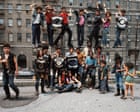
Photographer Jean-Pierre Laffont documented the dangerous realities of Bronx street gangs, including the Savage Skulls, in the 1970s. Laffont, who moved to New York from France in 1965, became the first foreign correspondent for the Paris-based Gamma Agency in 1969, but consistently prioritized personal projects over assignments. His work captured everyday life in a city that, particularly at night, could be perilous. In 1972, reading reports in The New York Times about violent gangs operating in the Bronx, Laffont became particularly interested in their activities. These gangs were reportedly involved in retaliatory killings of drug pushers who preyed on the local youth. The newspaper accounts described gruesome discoveries by police, with bodies found at the foot of five-storey buildings from which they had been thrown. Among the documented gangs were the Savage Nomads and the Dirty Dozen, but Laffont's focus was drawn to the Savage Skulls, identified as the most dangerous. Laffont's decision to photograph these gangs stemmed from a desire to document the raw, often brutal, social landscape of New York during this period. He acknowledged the inherent risks, stating he was hesitant to seek out these groups alone due to the stories he had read about their violent methods. The context of the late 1960s and 1970s in New York was marked by significant social and economic challenges, which often contributed to increased crime and gang activity in certain boroughs like the Bronx. Laffont's photographs from this era offer a stark visual record of a specific subculture and the societal conditions that fostered it. His commitment to personal projects allowed him to delve into subjects that resonated with him, providing a unique perspective that might not have emerged from standard journalistic assignments. The Savage Skulls, as described in the reports he read, represented a potent symbol of the era's urban strife and the extreme measures taken by some youth groups. Laffont's best photograph, as highlighted, likely encapsulates the intensity and danger associated with these gangs, serving as a powerful testament to his photographic vision and his willingness to confront challenging subject matter.
Original source — read the full reporting at the publisher:
Read on The Guardian CultureGet the weekly AI digest
AI news + new model releases, weekly. Drafted by our agents, reviewed by humans.