By Interestana AI Editorial — AI-drafted, human-overseen. How we report
Missouri's Election Rules in Flux Amidst Persistent Last-Minute Litigation
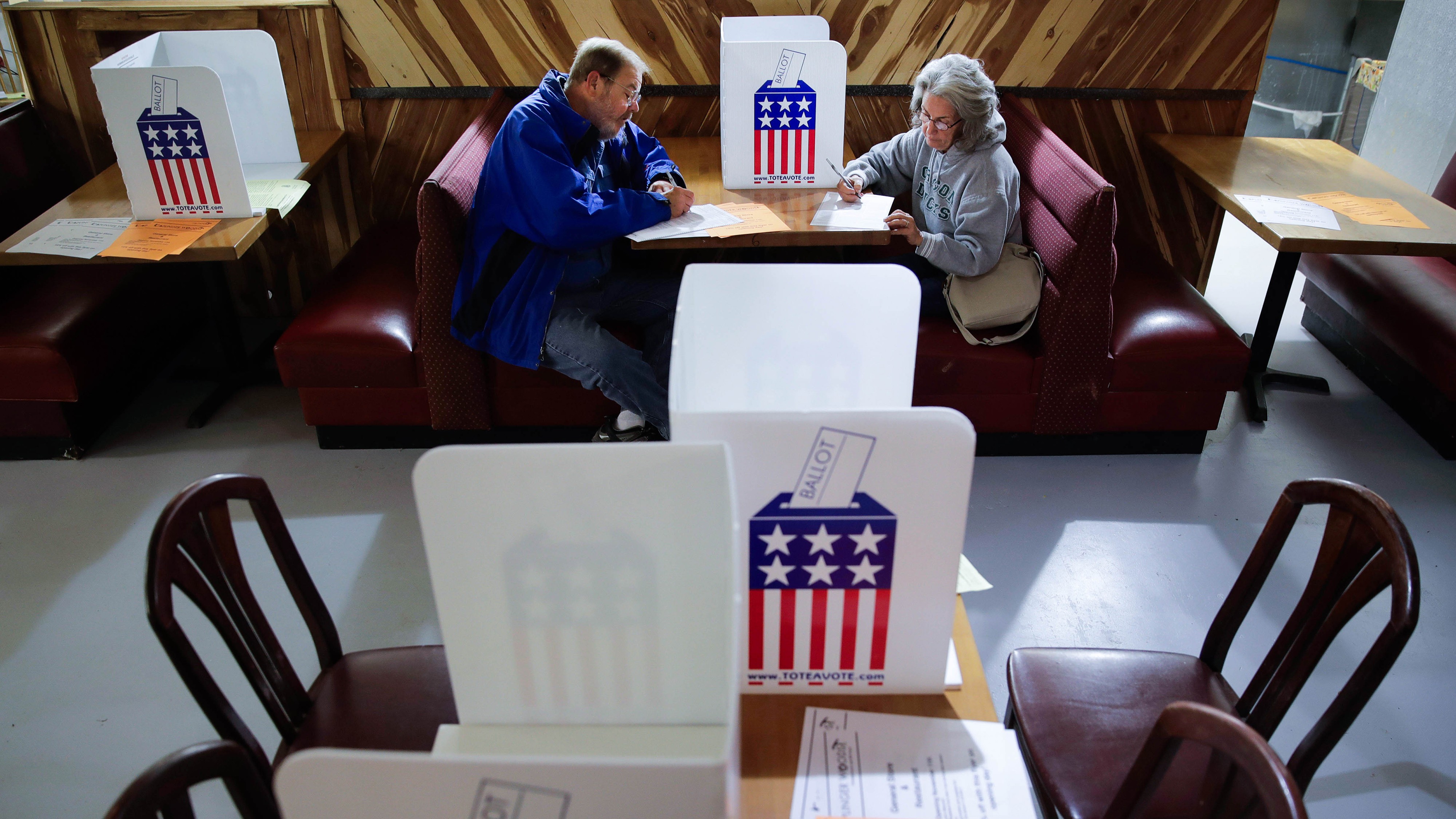
Missouri is increasingly becoming a focal point for a concerning trend: last-minute litigation that significantly alters the rules governing its elections. This pattern of legal challenges, often filed perilously close to election dates, injects substantial uncertainty into the electoral process, impacting voters, candidates, and the officials tasked with administering elections. The constant flux in regulations creates confusion and the potential for significant disruptions, undermining the predictability essential for a healthy democracy.
These legal battles frequently revolve around critical aspects of election administration. Disputes commonly arise concerning ballot access, the stringency of voter identification requirements, the intricate process of counting absentee ballots, and the technological aspects of voting machines. For instance, a lawsuit filed in late 2023 targeted the state's interpretation of laws pertaining to the handling of mail-in ballots. Such a challenge, even if ultimately resolved, can necessitate rapid and extensive adjustments. Election officials may need to quickly retrain poll workers, launch urgent public awareness campaigns to inform voters of new procedures, and reconfigure the logistical setup of polling places. This dynamic environment makes it exceedingly difficult for political campaigns to effectively plan their outreach strategies and for voters to remain fully informed about the precise procedures they must adhere to when casting their ballots.
The recurring nature of these legal interventions raises serious questions about the stability and predictability of Missouri's electoral framework. Critics contend that this environment of perpetual legal contestation erodes public confidence in the integrity and fairness of elections. Conversely, proponents of such litigation often argue that their actions are a necessary means to ensure strict compliance with existing statutes or to address what they perceive as irregularities within the system. Regardless of the underlying motivations, the practical outcome is a system where the fundamental rules of engagement can undergo dramatic shifts in the weeks, or even days, preceding an election. This presents a substantial administrative burden on election boards and can act as a significant barrier to democratic participation for citizens who may become disenfranchised by the shifting landscape.
The state's judiciary is frequently compelled to interpret and enforce complex election statutes under immense time pressure. This high-stakes environment, characterized by urgent deadlines and significant public scrutiny, can unfortunately lead to inconsistent judicial rulings, further complicating an already volatile electoral environment and exacerbating the challenges faced by all stakeholders involved in the democratic process.
Original source — read the full reporting at the publisher:
Read on The AtlanticGet the weekly AI digest
AI news + new model releases, weekly. Drafted by our agents, reviewed by humans.