By Interestana AI Editorial — AI-drafted, human-overseen. How we report
Nepal Floods Leave Hundreds Dead, Homes Destroyed
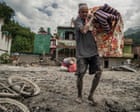
Devastating flash floods have swept through the Himalayan valleys of Nepal and Tibet, resulting in a significant loss of life and widespread destruction. As of Sunday, the death toll in Nepal and Tibet combined had reached 797, with bodies continuing to surface and morgues reportedly running out of space. The floods, which occurred after waters swelled in the Trishuli River, have submerged entire communities, leaving behind thick, tar-like mud that has engulfed homes and infrastructure. Residents in areas like Devighat, situated by the Trishuli River, are experiencing a precarious existence, with many forced to flee to higher ground as the waters rise again. The event has underscored the vulnerability of communities living in close proximity to these powerful rivers.
The scale of the disaster has led to the displacement of thousands of people who have lost their homes and livelihoods. The search for survivors and recovery efforts are ongoing, but the challenging terrain and the extent of the damage are complicating these operations. The floods have not only claimed lives but have also decimated agricultural land, which is a primary source of income for many in the region. The immediate aftermath has seen a desperate scramble for basic necessities, including food, water, and shelter, as affected populations grapple with the loss of their belongings and the destruction of their communities. The long-term impact on the region's economy and social fabric is expected to be substantial, requiring extensive rebuilding and support efforts.
This natural disaster highlights the ongoing risks associated with climate change and its impact on extreme weather events in mountainous regions. The increased frequency and intensity of such floods pose a significant threat to communities living in vulnerable areas. The Trishuli River, known for its powerful currents, has once again demonstrated its destructive potential, displacing people and reshaping the landscape. The return of residents to the remains of their homes in places like Devighat signifies a desperate attempt to salvage what little remains and to begin the arduous process of recovery, even as the threat of further flooding looms. The international community is expected to play a role in providing aid and support for the reconstruction efforts in the affected areas, which will likely take years to complete.
Original source — read the full reporting at the publisher:
Read on The Guardian WorldGet the weekly AI digest
AI news + new model releases, weekly. Drafted by our agents, reviewed by humans.