By Interestana AI Editorial — AI-drafted, human-overseen. How we report
AI Models Mimic Authors, Threatening Reader Base
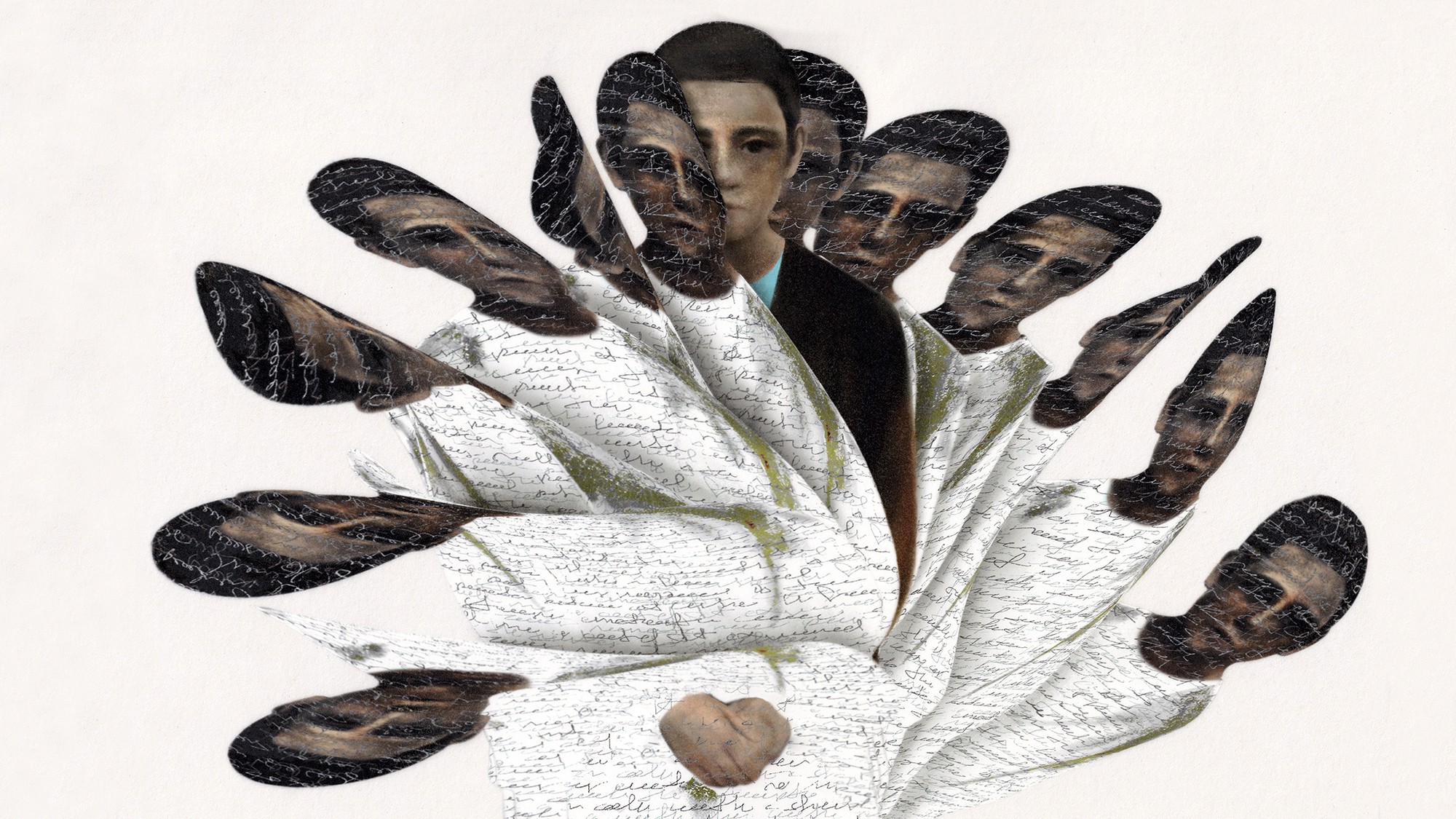
Artificial intelligence models are demonstrating an alarming capacity to replicate the distinct writing styles of human authors, posing a significant threat to the livelihoods of writers and the integrity of the publishing industry. This advancement in AI goes beyond mere text generation; it involves deep learning algorithms that analyze vast corpuses of an author's work to capture their unique voice, sentence structure, thematic preoccupations, and even subtle stylistic nuances. The implications are far-reaching, impacting intellectual property rights, copyright law, and the economic viability of authors who rely on their original creations for income.
These AI systems, often trained on publicly available texts, can produce new content that is virtually indistinguishable from a particular author's output. This capability raises ethical questions about authorship and originality. For instance, if an AI can generate a novel in the style of a beloved author, who owns the copyright? Is it the AI developer, the user who prompted the AI, or does the original author have any claim? Legal frameworks are currently ill-equipped to address these novel challenges, leading to a period of uncertainty and potential exploitation. The ease with which AI can mimic established authors could devalue human creativity and make it harder for new voices to emerge and gain recognition.
The economic impact on authors is a primary concern. As AI-generated content becomes more prevalent and sophisticated, it could saturate the market, driving down the perceived value of human-authored books. Readers, potentially unaware of the origin of the text, might consume AI-generated works that mimic their favorite authors, thereby reducing demand for authentic works. This scenario could lead to decreased book sales, lower royalty payments, and a diminished ability for authors to earn a sustainable living from their craft. The publishing industry itself faces disruption, as the cost of producing content could theoretically decrease with AI, but the authenticity and emotional connection readers seek from human stories might be lost.
Furthermore, the development of these AI models highlights a broader trend of AI encroaching upon creative fields traditionally considered the exclusive domain of humans. While AI has been used as a tool to assist writers with tasks like editing, research, and brainstorming, the current trajectory suggests a shift towards AI as a direct competitor. The ability to mimic specific authors, rather than just general writing styles, represents a significant leap. This raises the specter of AI not only replacing human authors but also potentially diminishing the cultural significance of individual artistic expression. Addressing these challenges will require a multi-faceted approach involving legal reforms, ethical guidelines for AI development and deployment, and a renewed societal appreciation for the unique value of human creativity.
Original source — read the full reporting at the publisher:
Read on The AtlanticGet the weekly AI digest
AI news + new model releases, weekly. Drafted by our agents, reviewed by humans.